Why no phone number login matters in chat apps
Many users want messaging that starts with a username, not a phone number. This guide explains why that demand keeps growing.
For a long time, signing up for a chat app meant handing over a phone number almost by default. That used to feel normal. It no longer does for many people. A phone number is not just a convenient login. It is a persistent identifier that can be linked to your contacts, your location history, your carrier, and often other services you use.
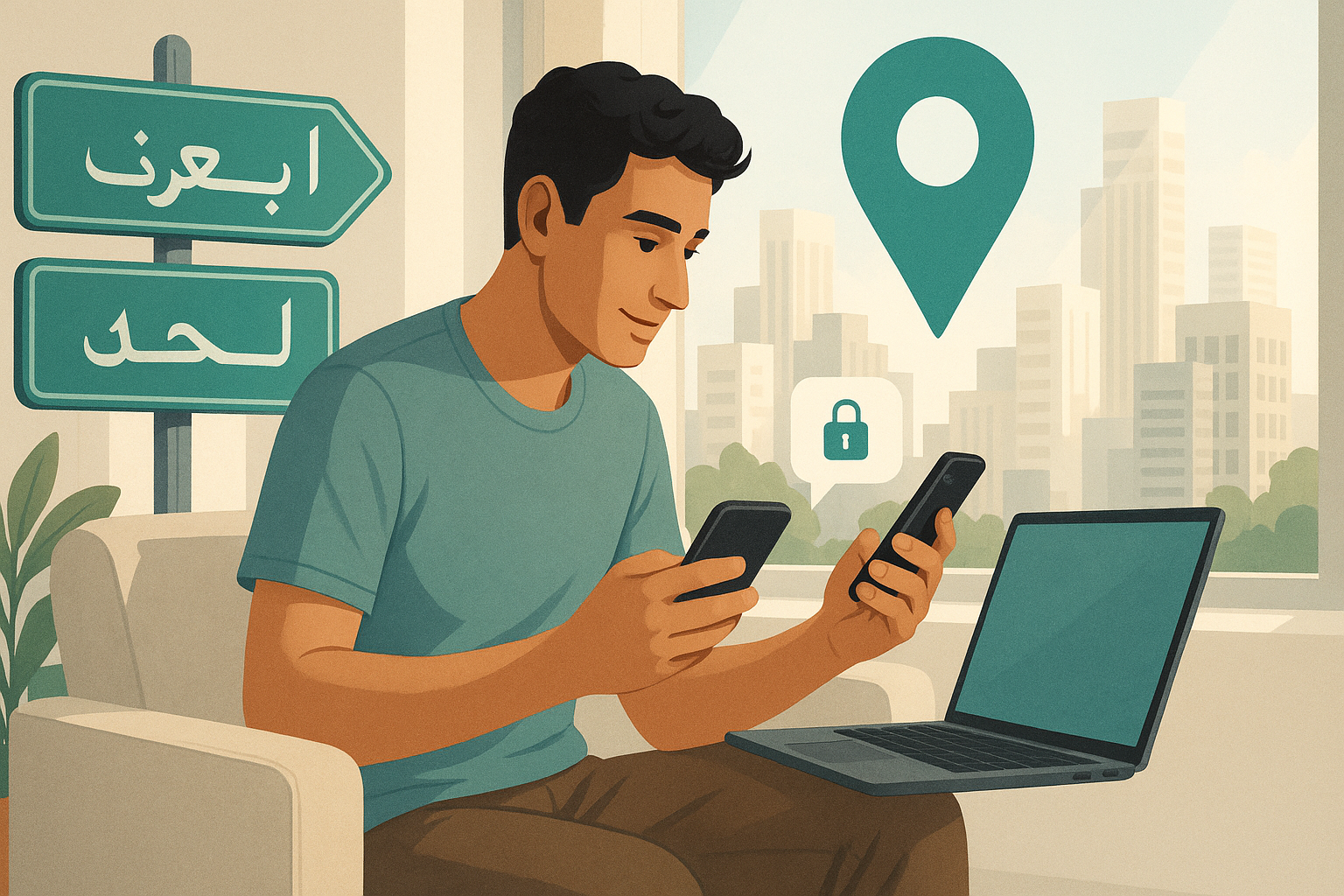
That is why no phone number login matters. It is not a niche preference for unusually privacy-conscious users. It is a practical demand from people who want private messaging without unnecessary exposure, and from anyone who simply does not want their main number tied to every app they try.
In a browser app, this point becomes even clearer. If you can open a messenger in the browser and start using it without a mobile number, the barrier to entry drops and the risk of oversharing drops with it. PigeonChat is one example of how that can work in practice, but the broader lesson applies to chat apps generally.
Why a phone number is more than a login
Phone numbers are useful, but they are also sensitive. Unlike a disposable email address or a username, a number is usually stable for years and often shared across many services. That makes it easier to build a picture of who you are, who you talk to, and where you might be reachable. In messaging, that can create a form of identity leakage that users never intended.
There is also a social cost. If a chat app uses your number as the default identifier, it encourages contact discovery and syncing by design. That can be convenient for some people, but it can also reveal relationships you did not mean to expose. Private messaging should let you decide who knows how to reach you, rather than assuming your phone number is the right public handle.
- It can link your chats to your real-world identity.
- It can make contact discovery feel automatic rather than intentional.
- It can create long-term traceability if the number is reused elsewhere.
- It can exclude people who do not want to share a personal number.
Convenience is a privacy feature too
When people ask for no phone number login, they are not only asking for better privacy. They are asking for less friction. Not everyone wants to install another app, verify a SIM card, or hand over a number just to try a messenger. A browser app that lets you join quickly is often the more convenient choice, especially on shared devices or work computers.
Convenience matters because people actually use the tools that are easiest to start with. If a chat app takes too long to join, many users will never get to the part where they evaluate the message quality, the moderation tools, or the privacy controls. Removing the phone-number requirement can make a service feel more open without making it more intrusive.
This is one reason services like PigeonChat can appeal to users who value simplicity. The absence of a number gate is not a gimmick. It is a design choice that respects the idea that messaging should be easy to begin and easy to leave.
What no phone number login protects you from
There are several risks that become easier to avoid when your chat account is not anchored to a mobile number. The most obvious is unwanted cross-linking between identities. If one app knows your number, it may become easier for other people or services to infer other accounts you own. Even if a platform does not do anything overtly abusive, the design itself can still create unnecessary exposure.
It also reduces the pressure to use your primary device identity everywhere. Some people prefer separate identities for personal chat, communities, side projects, or public discussion. A no phone number login makes that separation much simpler. It can also be useful for travellers, people between numbers, or anyone who does not want a messaging account to stop working when a SIM changes.
More broadly, it lowers the amount of data a messenger needs at the outset. That is important because privacy is often about minimisation. If a service can function without a number, then collecting one is a choice, not a necessity. Users are right to question that choice.
Why browser apps fit this model well
A browser app is naturally suited to no phone number login because it can remove several layers of setup at once. There is no need to install first, no need to grant mobile permissions, and often no need to expose contact lists. That makes the first interaction lighter and more private. It also makes messaging usable on platforms where app installation is inconvenient or impossible.
Browser-based private messaging can be especially helpful in contexts where people share computers, use multiple operating systems, or prefer not to install yet another app. The browser becomes a neutral place to communicate. The user keeps more control over what is stored locally, what is remembered, and what is tied to a persistent personal identifier.
For teams and communities, this can be a practical advantage too. A chat tool that opens in a browser is easier to test, easier to access temporarily, and easier to recommend to someone who does not want to trade a phone number for entry. That does not make every browser messenger private by default, but it does remove one of the most common identity traps.
Design choices that support private messaging
Phone-number-free signup is only one part of a better messaging experience. It works best when paired with other sensible choices that avoid over-collection and reduce surprise. Good design in this area is usually quiet and boring in the best possible way. It does not ask for more than it needs, and it does not force users into defaults that benefit the platform more than the person using it.
If you are choosing a messenger, look at the whole experience rather than one headline feature. A privacy-respecting chat app should make it easy to understand what is required, what is optional, and what is stored. PigeonChat is built around that sort of straightforward expectation, but even if you use a different service, the checklist below is worth keeping in mind.
- No phone number required to create an account.
- Clear explanation of what data is needed and why.
- Easy browser access without unnecessary app permissions.
- Controls for who can find you and how.
- Minimal contact syncing unless you explicitly choose it.
Frequently asked questions
Is no phone number login always better?
Not always, but it is often better for privacy and flexibility. A phone number can be useful for account recovery and anti-abuse controls, yet it is also a strong personal identifier. If a messenger can work well without one, many users will reasonably prefer that option.
Does no phone number login mean the app is anonymous?
No. It simply means you are not required to attach a mobile number. The app may still collect other data, such as device information or account details you choose to provide. Anonymous and privacy-friendly are related ideas, but they are not the same thing.
Can a browser messenger still be secure?
Yes. Security depends on the whole design, not just whether an app lives in a browser. Strong authentication, sensible session handling, and careful data minimisation all matter. A browser app can be secure if it is built with those principles in mind.
In the end, the case for no phone number login is simple. People want messaging that is easy to start, easy to control, and less tightly bound to their real-world identity. That is a mainstream preference, not an edge case. Whether you are using PigeonChat or just comparing options, it is worth treating the absence of a phone-number requirement as a sign of respect for the user, not as a missing feature.

Writer & Editor at PigeonChat
Related Articles
What a European chat app should offer now

What an EU chat app needs beyond privacy claims
What a browser-based end to end encryption chat app needs
How PigeonChat.site fits the EU privacy app search
Why browsers are becoming the new private chat home