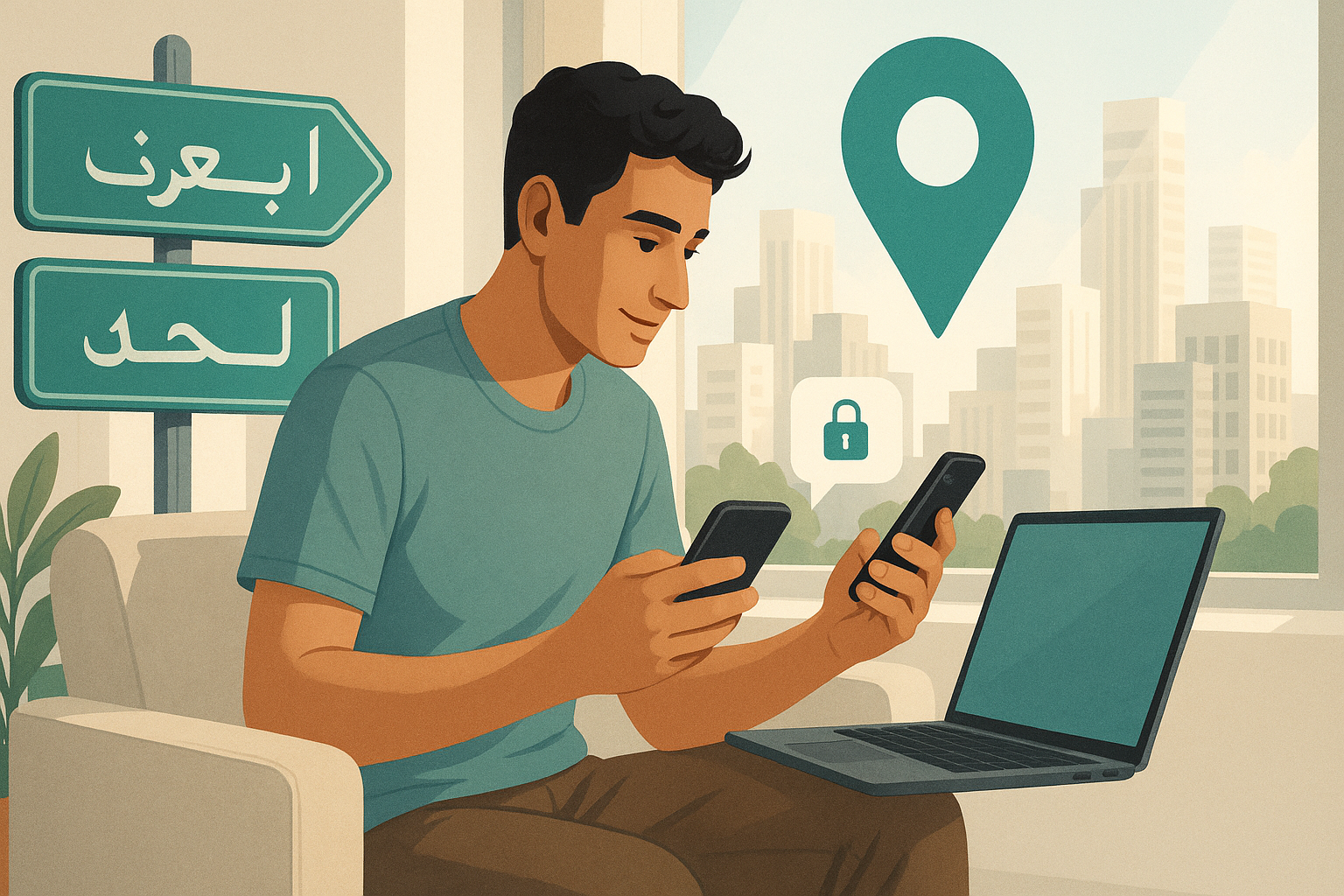
What no phone number login changes in messaging
A phone number is not the only way to join a chat app, and many people want a private account that feels less tied to identity.
For years, many messaging apps have treated a phone number as the default identity. It is familiar, convenient, and easy to explain. But removing that step changes more than the sign-up form. A no phone number login shifts the balance between privacy expectations and ease of joining, and it changes how people think about who can reach them.
That matters whether you are choosing a private chat app for yourself, recommending one to a team, or just trying to understand what modern messaging can offer. When a service does not ask for a number, it can feel less tied to your everyday identity, and that changes the social contract around messaging.
In practice, the difference is not only technical. It affects onboarding, discoverability, trust, recovery, and the level of friction people accept before they send their first message. PigeonChat is one example of how this design choice can be made without making the experience feel cold or cumbersome.
Why phone numbers became the default
Phone numbers were a natural early choice because they are already unique enough for contact matching and simple to verify. They also make it easy to find friends, sync address books, and reduce the need for separate usernames. For a long time, that convenience outweighed most concerns.
But a phone number is also more than a login. It is often linked to a person’s real-world identity, SIM ownership, service provider records, and sometimes multiple other accounts. Once a messenger uses it as the main identifier, the app becomes more connected to your offline life than many people realise.
This is why some users now actively look for a private messaging app that does not require a number at all. They are not always trying to be hidden. More often, they simply want to separate conversation from a personal telecom identity.
What changes when you remove phone-number signup
A no phone number login changes the first impression of the app. Instead of asking for a highly personal identifier, the service can invite people in with an email address, a username, a passkey, or another account method. That lowers the sense that the app is reaching into their broader digital life.
It also changes expectations about discovery. If the app is not built around phone contacts, people may expect more deliberate connection methods, such as sharing a handle, an invite link, or a QR code. That can feel slightly less immediate, but often more controlled.
- Less reliance on contact syncing and address book access
- More room for pseudonymous or role-based identities
- Fewer assumptions that a chat account equals a real-world number
- Clearer boundaries between personal and professional use
- Potentially more friction when adding casual contacts
These changes are not just about privacy in the abstract. They affect the everyday behaviour of the chat app. A messenger built without phone-number signup tends to feel more intentional, because every connection has to be chosen rather than inferred from your phone.
Privacy gains and privacy trade-offs
The biggest privacy benefit is simple: if a service does not ask for your number, it cannot use that number as the backbone of your identity. That reduces the risk of exposing a stable personal identifier and can make it harder for outsiders to connect your messaging account to your wider life.
However, no phone number login is not the same as total anonymity. An app can still collect IP data, device identifiers, email addresses, metadata, or message content depending on how it is designed. So it is better to think of this as one layer of privacy, not a complete shield.
There is also a trust question. People often read “no phone number” as a sign that the service is more privacy-minded overall. That may be fair, but it should never replace a look at the app’s actual policies, encryption model, and account recovery process.
How ease of joining changes
Removing phone-number signup usually helps some people and slows others down. For anyone who dislikes giving away a number, the barrier drops immediately. They can try the service without that small but meaningful piece of personal data being part of the deal.
For other users, the absence of a phone number can create uncertainty. They may wonder how to find friends, what happens if they lose access, or whether a username is enough to feel stable. This is where product design matters. A good onboarding flow can make a private messaging app feel simple even without telecom-based login.
Some practical design choices help preserve ease of joining:
- Offer clear account recovery options from the start
- Use invite codes or shareable links for fast onboarding
- Explain whether usernames are permanent or changeable
- Make contact import optional, not mandatory
- Use plain language to show how identity and privacy work
When these details are handled well, the app can remain easy to join while still respecting users who do not want a number attached to their profile. That is the balance many people now expect from modern messaging.
What this means for trust and social behaviour
Identity design shapes behaviour. A messenger that depends on phone numbers can make conversations feel tied to a real, reachable person. That can discourage spam, but it can also discourage experimentation, sensitive discussion, or simple boundary-setting.
When people can join without a number, they may be more willing to use a separate identity for work, community groups, activism, hobby spaces, or customer support. That does not automatically make the platform safer, but it can make it easier for people to control how much of themselves they reveal.
It also changes the tone of joining. Instead of “give us your number and start chatting”, the message becomes “choose how you want to be known here”. For many users, that small shift is the difference between reluctance and comfort.
What to look for in a private chat app
If you are evaluating a chat app, do not stop at the signup screen. A private messaging service should explain how it handles identity, recovery, search, contact discovery, and metadata. The absence of phone-number signup is a useful signal, but not the whole story.
It is worth checking whether the app lets you control who can find you, whether your handle is searchable, and how easily you can leave or delete an account. These are practical questions, not just security theory.
PigeonChat, for example, can be assessed on the same grounds as any other service: does it reduce unnecessary data collection, does it make connections understandable, and does it avoid forcing a trade-off between convenience and privacy that feels hidden rather than honest?
Frequently asked questions
Is a no phone number login automatically more private?
Usually it is more private in one important way, because it avoids linking your account to a phone number. But it does not guarantee full privacy. You still need to consider what other data the app collects, how it encrypts messages, and what it stores on its servers.
Is it harder to use a messaging app without phone-number signup?
Not necessarily. It can be just as easy if the app uses a clear username, email, invite link, or passkey system. The main difference is that finding people may rely less on your contact list and more on intentional sharing.
Why do some people prefer a private chat app without phone numbers?
Because they want to keep messaging separate from their personal number, reduce unwanted contact, and use a more flexible identity. This is especially useful for people who want a boundary between their everyday life and the conversations they have online.
In the end, removing phone-number signup changes messaging in a very practical way. It lowers one kind of identity exposure, raises the importance of deliberate connection, and makes the product’s privacy stance easier to read. That is why the no phone number login model matters: it is not just a small signup tweak, but a design choice that reshapes how private messaging feels from the very first tap.
Ready to try PigeonChat?

Writer & Editor at PigeonChat
Related Articles

What a European chat app should offer now

What an EU chat app needs beyond privacy claims
What a browser-based end to end encryption chat app needs

How PigeonChat.site fits the EU privacy app search
Why browsers are becoming the new private chat home