Why no phone number login matters in chat apps
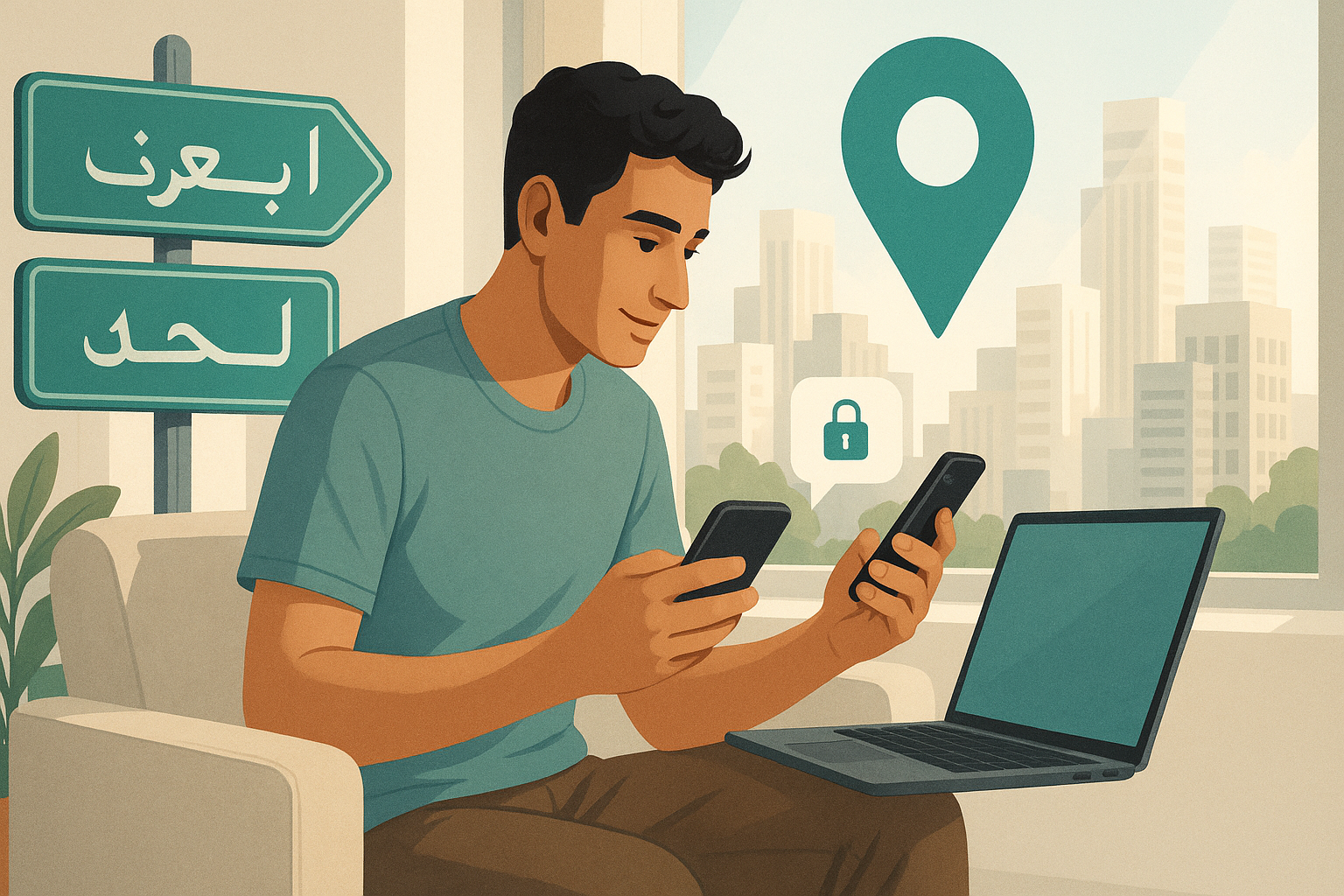
Many users want a chat app they can join without sharing a phone number. This piece explains why that request keeps coming up.
A phone number is a convenient identity for a messaging app, but convenience is not the same thing as necessity. For many people, being asked for a number is more than a small hurdle. It can mean sharing a personal identifier they would rather keep separate, linking a chat account to a SIM card, or revealing a number that is tied to work, family, or a country they no longer live in.
That is why no phone number login matters. It is not a niche feature for privacy enthusiasts. It is an expectation that supports more people, in more situations, with fewer compromises. If an app is meant to help people communicate, it should not force them to hand over a detail that is often used as a proxy for identity, device ownership, and reachability.
Apps such as WhatsApp and Signal have made phone-based sign-up feel normal, but normal does not always mean ideal. A better approach is to treat phone number free access as a basic design choice, alongside strong security and sensible recovery options. That is the philosophy behind products like PigeonChat, and it is worth understanding even if you never use that particular service.
Why a phone number is a privacy issue
A phone number is not just a login method. It is a stable personal identifier that can be reused across services, matched to contact lists, and linked to real-world records. Once it is handed to a chat app, it can become part of the app’s account model, invite system, and recovery flow.
For some people, that is acceptable. For others, it creates an unnecessary trail. A private communication tool should minimise the amount of personal data it needs in the first place. If a username, email address, or passkey can do the job, then the phone number stops being required and starts being optional.
This matters especially when people want to keep different parts of life separate. You may want one identity for friends, another for public communities, and another for work. A phone number can collapse those boundaries in ways users did not intend.
Accessibility and inclusion are part of the problem too
Phone-number-free login is also an accessibility issue. Not everyone has a mobile number they are comfortable sharing. Some people use a landline, some rely on data-only devices, and some avoid mobile contracts because of cost, location, or personal safety.
Others simply cannot use a number in the usual way. Travellers may not want to keep changing SIMs. People in transitional housing may lose access to a number they used for years. New arrivals in a country may not yet have a local mobile plan. A chat app that assumes a phone number is always available excludes these users before they even begin.
There is also the question of control. If a login method depends on a number that can be reused, reassigned, or blocked, the user can end up with an account that feels less like theirs. A more flexible login model can reduce that fragility.
What good alternatives look like
A private chat app does not need to choose between security and usability. It just needs a better account model. There are several sensible options:
- Email login for people who want a familiar recovery route without sharing a mobile number.
- Username and password for straightforward access, ideally paired with strong password guidance.
- Passkeys where supported, because they reduce password fatigue and make sign-in less dependent on a phone.
- Recovery codes for account restoration without tying identity to a SIM card.
- Optional phone verification only when there is a clear need, rather than as a default requirement.
The important principle is choice. A chat app should allow people to decide how much identity they want to attach to their account. If a platform can offer several routes in and out, it becomes easier to serve privacy-conscious users without making life harder for everyone else.
This is one reason PigeonChat treats login design as a trust issue, not just a technical one. When the entry point is lighter, the service can feel more open from the start.
Why the default matters more than the exception
Some apps say they support private use while still making phone numbers the default. In practice, defaults shape behaviour. Most people will accept the first option they are given. If that option asks for a number, then the app has already decided that a particular kind of identity is the norm.
That can be a problem even for users who do have a mobile number. It trains people to expect that every chat service should begin with a personal contact detail. Over time, that expectation spreads beyond messaging into forums, communities, and work tools. A small design choice becomes a broad norm.
When phone number free login is offered as the default, the message is different. It tells users that the app is built around account control first, and contact methods second. That is a healthier starting point for private communication.
Security benefits without the SIM card dependency
There is a common assumption that phone-based login is safer because it is tied to a real device. In practice, that security is mixed. Numbers can be recycled, stolen, ported, or intercepted in ways that make them a weak foundation for account protection.
A better security model focuses on the account itself. Strong passwords, passkeys, device approval, and recovery codes can all improve protection without making a phone number mandatory. These methods reduce dependence on telecom systems, which are outside the app’s control and sometimes outside the user’s control too.
It is also easier to explain and audit a login system when it is not built around a hidden assumption that every person has one permanent mobile identity. The fewer moving parts tied to external carriers, the simpler the security story becomes.
What users should look for in a chat app
If you are choosing a chat app and privacy matters to you, it helps to ask a few practical questions. The answers will tell you a lot about how the service thinks about identity.
- Can I sign up without a phone number?
- Can I use a username, email, or passkey instead?
- What information is visible to other users by default?
- Can I recover my account without exposing more personal data?
- Does the app require contact list access, or is that optional?
If an app struggles to answer these clearly, that is usually a warning sign. Good privacy design should be easy to explain. If the path into the app is simple and respectful, users are more likely to trust the rest of the experience.
That is one reason the conversation around no phone number login keeps growing. People are not asking for special treatment. They are asking for design that reflects how communication actually works in real life.
Frequently asked questions
Is a phone number always bad for chat apps?
No. A phone number can be useful for account recovery, spam prevention, and casual sign-up. The problem is making it compulsory when other options would work just as well. Optional is very different from mandatory.
Do apps like WhatsApp and Signal prove phone numbers are necessary?
Not necessarily. They prove that phone-number-based systems can be popular, not that they are the only workable model. Other apps can choose usernames, email, or passkeys and still provide secure, practical messaging.
What is the biggest benefit of no phone number login?
The biggest benefit is control. Users decide how they want to identify themselves, how much personal information to share, and how to separate different parts of their life. That improves both privacy and accessibility.
In the end, phone-number-free login is not an optional polish layer. It is part of what makes a chat app usable, respectful, and genuinely private. If messaging is meant to connect people, it should not begin by demanding more identity than the conversation requires.

Writer & Editor at PigeonChat
Related Articles
What a European chat app should offer now

What an EU chat app needs beyond privacy claims
What a browser-based end to end encryption chat app needs
How PigeonChat.site fits the EU privacy app search
Why browsers are becoming the new private chat home