Why encrypted messaging is back in the privacy debate
Encrypted messaging keeps returning to the center of online privacy debates. This article explains why the issue is resurfacing now.
Encrypted messaging is back in the privacy debate for a familiar reason: people are worried about who can see their communications, who can link those communications to an identity, and how much control platforms or governments should have over access. That concern is not limited to activists or security specialists. It now reaches ordinary users who simply want online privacy without making their lives complicated.
The renewed attention also reflects a broader shift in expectations. More people are noticing how much data is collected by default, how often accounts are tied to phone numbers or other identifiers, and how quickly rules around age checks, platform access and content moderation can change. In that climate, secure communication starts to look less like a niche preference and more like a practical safeguard.
That is why encrypted chats keep returning to the centre of discussion. For some, encryption is about keeping messages confidential from service providers and network observers. For others, it is about resisting overreach, avoiding unnecessary identity collection, or simply making sure personal conversations stay personal. Tools like PigeonChat sit within that wider conversation, but the underlying issue matters even if you never sign up for anything.
Why privacy fears are pushing messaging back into focus
When people hear about surveillance, regulation, or age verification proposals, they often start looking more closely at the apps they already use. Messaging is one of the most sensitive parts of digital life because it contains private relationships, work details, and personal plans. If a service feels too exposed, users tend to look for alternatives that offer stronger protections.
This is not only about dramatic headline events. It is also about the accumulation of small concerns: a platform changing its terms, a new data-sharing policy, a phone-number requirement, or a sense that metadata is being used more widely than users expected. Each of those can make encrypted messaging seem less theoretical and more necessary.
There is also a trust issue. People are increasingly asking whether they can trust a service that says it protects privacy while still collecting extensive account data, usage data, or device information. Once that question is raised, secure communication becomes part of a much bigger conversation about online privacy and how much users should have to reveal to communicate.
What encryption does, and what it does not do
Encryption protects the content of messages so that outsiders cannot easily read them in transit. In practice, that means a provider, an internet intermediary, or a third party should not be able to casually inspect the conversation itself. For many users, that is the core promise of encrypted chats.
But encryption is not a magic shield. It does not automatically hide who you contacted, when you contacted them, what device you used, or whether your account is linked to a real-world identity. Those details can be just as revealing as message content, which is why secure communication should be understood as one layer of protection rather than a complete privacy solution.
That distinction matters because public debate often collapses all privacy questions into one. A service may be strong on message content but weaker on account metadata, contact discovery, backups, or device security. Users who care about online privacy should look at the full picture, not just the encryption label.
- Message content protection matters, but so do metadata and account identifiers.
- Phone-number requirements can create extra linkage between identity and messaging.
- Backups, synced devices, and notification previews can weaken privacy if not configured carefully.
- Local device security still matters, because encryption cannot help if someone gains access to an unlocked phone.
Why phone numbers and verification rules are so controversial
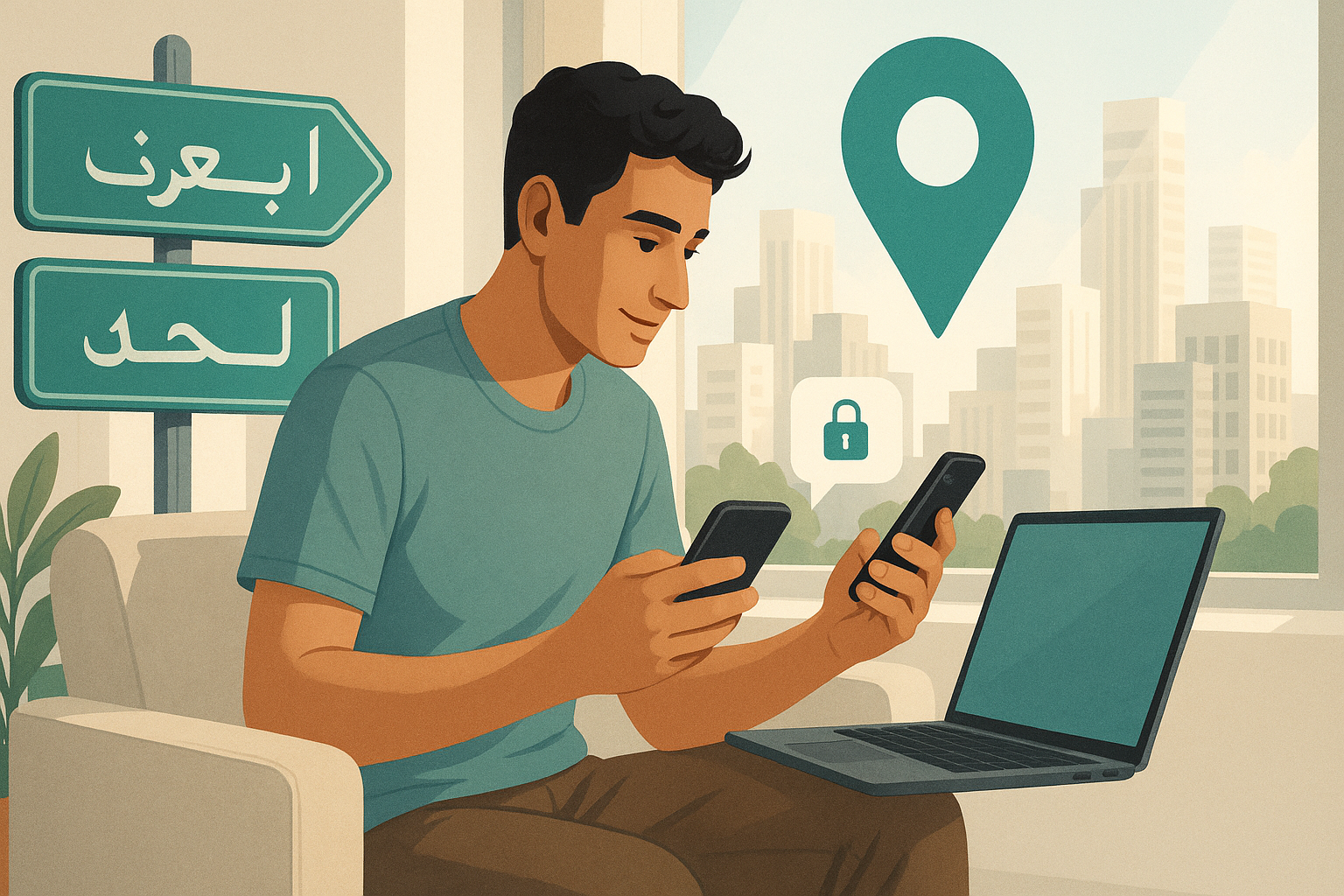
One reason encrypted messaging is back in the spotlight is the growing discomfort with identity-linked services. If an app asks for a phone number, that can make account creation easier, but it also creates a stronger link between the person and the account. For many users, that is acceptable. For others, it feels unnecessary or risky.
Age verification debates have intensified this feeling. When a service is asked to prove a user’s age, people quickly ask what evidence must be shared, where it is stored, and whether the same infrastructure could later be reused for broader identification. Even if the original goal is narrow, users may worry that the pattern normalises more surveillance over time.
That is why discussions around secure communication often become emotionally charged. They are not just about convenience versus safety. They are about whether the digital environment is moving towards more control, more checking, and more data collection than users feel is reasonable.
How to think about secure communication in daily life
Most people do not need to become encryption experts. A better approach is to think in terms of risk. What are you trying to protect? Who might be able to see your messages? How much information do you want tied to your account? Answering those questions usually leads to better decisions than picking an app based on branding alone.
For everyday use, sensible habits often matter as much as the app itself. Keep devices updated, use a screen lock, review backup settings, and be careful about message previews on your lock screen. If you are handling sensitive conversations, consider whether the app stores contacts, links accounts across devices, or relies on cloud backups that may reduce privacy.
It can also help to separate different kinds of conversation. A chat app used for family updates does not need the same setup as one used for confidential work, health, or community organising. Choosing the right level of protection for the situation is usually more realistic than chasing perfect anonymity.
What the current debate says about user expectations
The current interest in encrypted chats suggests that users are becoming more privacy-aware, not less. People may accept some trade-offs for convenience, but they are increasingly unwilling to accept opaque data practices as the default. That is a meaningful change in the market, even if it is uneven and often triggered by external pressure.
It also suggests that trust is now a product feature. If a service cannot clearly explain how it handles identity, message storage, and access controls, users will look elsewhere. This is one reason privacy-first tools continue to attract attention, including services like PigeonChat, even among people who are still comparing options rather than committing to one app.
For the wider industry, the lesson is straightforward: privacy expectations are rising, and messaging is a key test of whether platforms can meet them. The more users feel watched, verified, or profiled, the more attractive encrypted communication becomes.
Frequently asked questions
Is encrypted messaging only for people with something to hide?
No. Most people use messaging for private, ordinary conversations and have a reasonable expectation that those conversations should stay confidential. Encryption is about protecting personal communication, not about automatically implying wrongdoing.
Does encryption mean a messaging app is completely private?
Not necessarily. Encryption usually protects message content, but it may not hide metadata, account identifiers, contact lists, or device details. A good privacy assessment looks at the whole service, not just whether messages are encrypted.
What should I check before choosing a secure messaging app?
Look at how the app handles account setup, whether it requires a phone number, what data it stores, how backups work, and whether it supports secure communication across devices. If you want a starting point for comparison, a service like PigeonChat may be worth reviewing alongside other options, but the same privacy questions apply to every app.
Encrypted messaging is back in the privacy debate because the stakes around online privacy feel higher than they did a few years ago. Users are reacting to surveillance fears, regulation concerns, and the growing sense that digital communication should not require so much disclosure. Even if you never change app, it is worth understanding what secure communication really means, and where its limits begin.

Writer & Editor at PigeonChat
Related Articles
Why browsers are becoming the new private chat home

Why a European chat app matters for privacy and compliance

Why UAE users keep searching for a better chat app

Why people still look for a best chat app in the UAE
What a European chat app should offer now