Why digital wellbeing is becoming a chat app feature
More people want messaging that feels calmer, less addictive, and easier to control. Here is how chat apps are adapting to that demand.
Digital wellbeing used to sound like a personal habit problem. Turn off notifications, set a screen limit, maybe leave your phone in another room. Useful advice, but increasingly incomplete. For many people, the bigger issue is not just how often they check their phone, but how messaging apps are designed to compete for attention, blur boundaries, and keep conversations always on.
That is why wellbeing is becoming a product requirement in chat apps, not just a lifestyle preference. If a messaging app makes it hard to pause, mute, organise, or step away, it is shaping behaviour as much as any social platform. In practice, the quality of private chats now includes whether they support calm use, predictable routines, and a sense of control.
This matters even more because chat is no longer just chat. It is work, family logistics, group coordination, customer support, and the place where many social relationships now live. A good messaging tool has to do more than deliver messages quickly. It has to help people stay connected without feeling constantly available.
Why messaging can strain digital wellbeing
Most chat pressure comes from small design choices that add up. Read receipts, typing indicators, endless group threads, and push alerts can make every conversation feel urgent. Even when nothing important is happening, the interface can suggest that something needs a reply right now.
That creates a subtle mismatch between communication and attention. People may want to have private chats on their own terms, but the app often pulls them into a reactive mode. The result is not just distraction. It can also increase social pressure, because silence starts to feel like a decision rather than a normal pause.
Social media has long been criticised for keeping people scrolling. Messaging apps can do something different, but they are not immune to the same attention dynamics. If a chat app wants to be trusted over time, it has to respect the fact that users have finite energy, context switching costs, and a life beyond the inbox.
Wellbeing as a product requirement
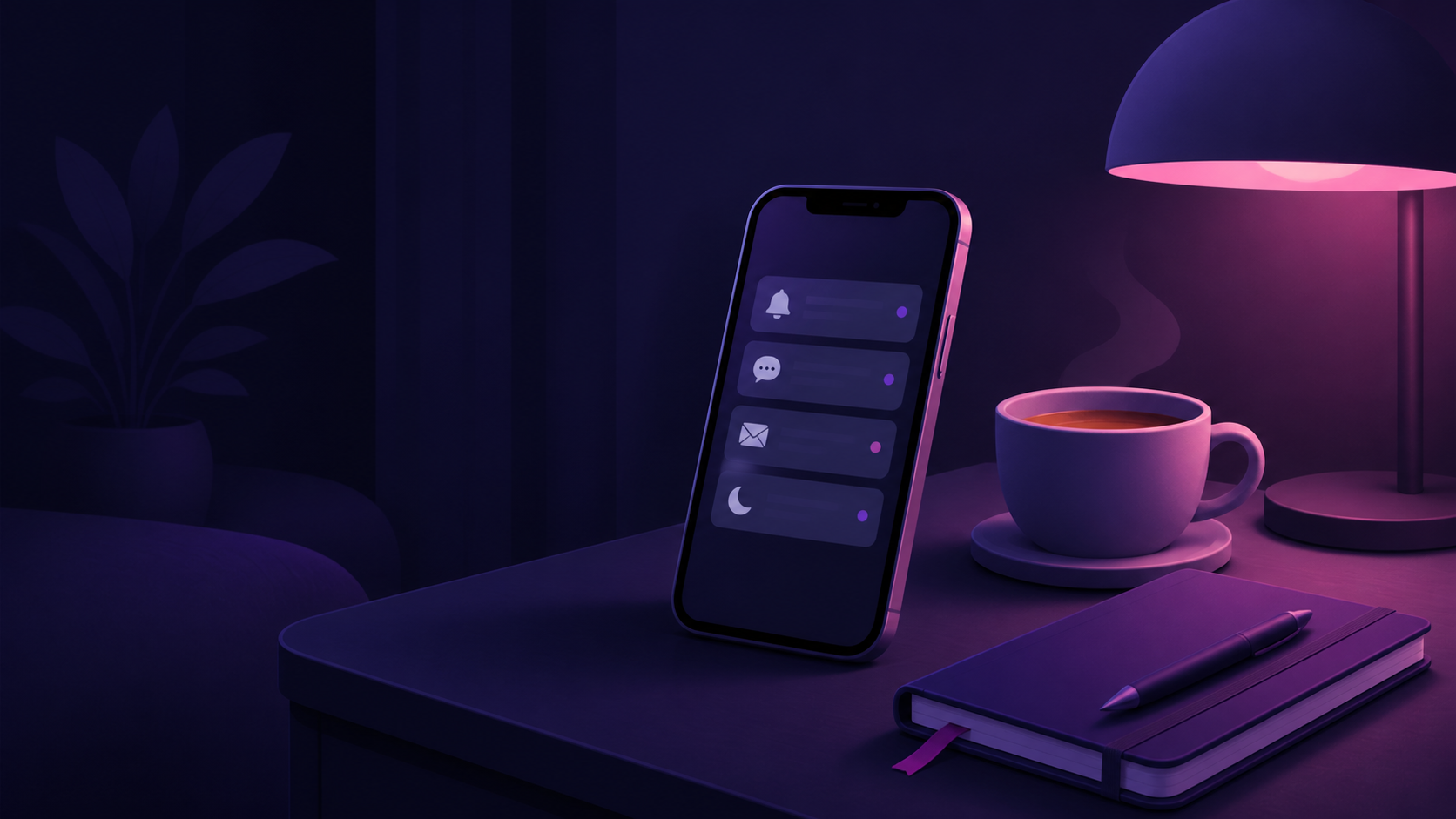
For chat apps, digital wellbeing is becoming part of basic product quality. People expect features that let them manage pace and priority, not just send text. That includes mute controls, notification summaries, conversation archiving, message scheduling, and clear ways to distinguish personal messages from noisy group activity.
The most useful wellbeing features are usually the least dramatic. They do not promise balance in the abstract. They simply reduce friction around boundaries. For example, a clear “do not disturb” mode, better thread controls, or the ability to separate work and personal spaces can make a messaging app feel far less intrusive.
Products such as PigeonChat are part of this shift because they treat calmer communication as a design principle, not a bonus setting. Whether a person uses one app or another, the broader lesson is the same: if an app expects to be part of daily life, it should help users manage that relationship responsibly.
Features that support calmer chat
Wellbeing-oriented chat design tends to focus on control, clarity, and pacing. These are practical features, not vague wellness branding. The goal is to help people decide when to engage, how to organise messages, and when to step away without social penalty.
- Custom notification controls for different people or groups
- Mute, snooze, and focus modes that are easy to find
- Message threading or grouping to reduce chaos in busy chats
- Clear status indicators that do not encourage constant monitoring
- Search and archive tools that make conversations easier to revisit later
- Separation of personal, group, and work contexts where possible
None of these features alone solves digital wellbeing, but together they reduce the feeling that the app is controlling the user’s attention. They also make chat more predictable, which is important when people are juggling family life, work, and social commitments in the same place.
The best wellbeing features often disappear into the background. Users should not need to study a settings menu to protect their focus. If the product is well designed, the calmer option is simply the easier one to use.
Private chats need boundaries too
It is easy to assume that private chats are naturally healthier than social media because they are smaller and more personal. In some ways they are. But small does not always mean restful. A direct message can feel more urgent than a public post precisely because it seems personal and immediate.
This is where good design matters. Private chat should not become a place where every interaction feels like an interruption. People need ways to reply later, manage expectations, and avoid the assumption that being reachable is the same as being available. Private conversations work best when they are genuinely private, not perpetually demanding.
There is also a trust element. When a chat app respects boundaries, it signals respect for the person using it. That can be as simple as sensible default settings, less noisy interface behaviour, or transparent controls that make it obvious what will and will not notify others.
What users can do today
Even if an app has limited wellbeing features, users can still improve their experience by changing how they use it. The aim is not to become perfectly disciplined. It is to make messaging less reactive and more deliberate.
Helpful habits include setting specific times to check chats, muting low-priority groups, turning off non-essential alerts, and removing badge counts if they create pressure. Some people also benefit from keeping work messaging on a separate device or account, so personal time is not constantly interrupted.
A few practical starting points:
- Review every notification permission and keep only the important ones
- Mute group chats that are informative but not urgent
- Use pinned or starred conversations for the people who matter most
- Set a daily window for catching up on non-urgent messages
- Leave busy chats when they no longer serve a clear purpose
These habits do not require a perfect app. They do require a willingness to treat attention as something worth protecting. That mindset is central to digital wellbeing, whether you are reading social media, replying in private chats, or choosing a new messaging platform.
What this shift means for app makers
For product teams, the message is straightforward. A chat app is no longer judged only on speed, reliability, or encryption. Users also care about whether the product helps them stay in control of their time and emotional load. Wellbeing is becoming part of the core experience.
That does not mean every app must be minimalist or silent. It does mean that engagement should not be pursued at the expense of trust. If users feel manipulated into checking, responding, or staying online, they may keep the app installed but they will not feel comfortable using it.
The most resilient messaging products are likely to be the ones that treat calm as a feature and restraint as a strength. In a crowded market, that can be a real differentiator. More importantly, it is simply a better fit for how people want to live with technology.
Frequently asked questions
Why is digital wellbeing important in chat apps?
Because chat apps are often part of daily routines, work, and relationships. If they create constant interruption or pressure to respond, they can make people feel less in control of their time. Digital wellbeing features help reduce that pressure.
Are private chats always better for wellbeing than social media?
Not always. Private chats can be quieter than social feeds, but they can still feel urgent, fragmented, or emotionally demanding. The difference depends on how the app behaves and how people use it.
What should I look for in a healthier messaging app?
Look for strong notification controls, easy mute options, clear conversation organisation, and settings that help you separate urgent from non-urgent messages. The best apps make it simple to pause without losing important context.
Digital wellbeing is moving from the margins to the centre of messaging design because attention has become a limited resource. Whether you are choosing tools for yourself, your team, or your family, it is worth asking one simple question: does this app help me connect with other people, or does it keep asking for more of me than I want to give? That is the test now, and it is one more reason thoughtful products like PigeonChat matter.

Writer & Editor at PigeonChat
Related Articles

What browser chat changes for people who hate installs

How digital wellbeing changes the way people chat
Why digital wellbeing matters in chat app design

Why digital wellbeing is becoming a chat app feature
What a European chat app should offer now