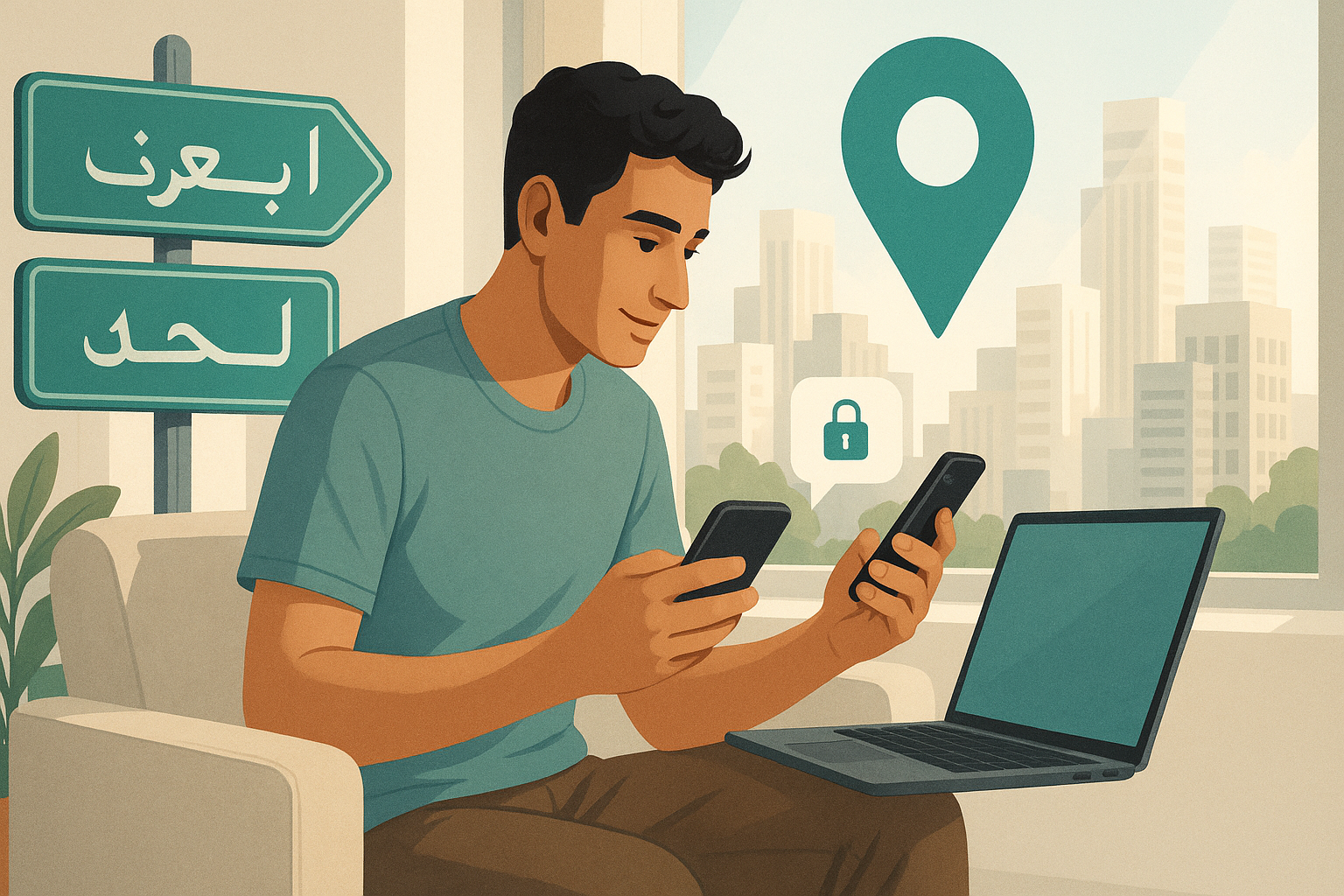
Why people want chat apps without phone numbers
People are asking for messaging that does not start with a phone number. This article explains why no-number accounts are becoming a real privacy need.
For many people, messaging without a phone number is not a quirky preference. It is a practical privacy request. A phone number is often the most durable identifier we have, and once it is tied to a chat account, it can become a useful link between our messages, contacts, devices and sometimes even our wider online identity.
That does not mean every phone-number-based messenger is unsafe. It does mean that some people want a cleaner boundary. They may want to talk to friends, colleagues or communities without handing over a number that can be searched, shared, reused or associated with other services. In that sense, a phone-number-free account is less about paranoia and more about control.
People also notice the mismatch between how messaging works in practice and how accounts are often created. You may be happy to share a username, display name or invite link, but not your personal number. That distinction matters. It is one reason private messaging features that avoid phone numbers keep coming up in conversations about a good WhatsApp alternative.
Why a phone number feels too revealing
A phone number is not just a login detail. It can reveal country codes, sometimes suggest the region you live in, and create a long-lived point of contact that is difficult to change. If a chat app uses it as the foundation of your account, the number can become a bridge between your personal life and your messaging history.
For some people, that is inconvenient. For others, it is a real privacy concern. Journalists, activists, freelancers, people in shared households, people using work and personal identities separately, and anyone who simply prefers not to be easily searchable can all have good reasons to avoid number-based signups.
Messaging without a phone number is about boundaries
When people ask for messaging without a phone number, they are often asking for a smaller amount of exposure by default. They want the app to know as little as possible before a conversation starts. They may be happy to verify an email address, use a username, or join via a link, but they do not want a globally familiar identifier tied to the account.
This is not only about hiding. It is also about separating contexts. You might use one identity for work communities, another for family, and a different one for hobby groups. A number-free design can make that separation easier, especially when the app supports usernames, invite codes or device-based sign-in.
- It reduces the amount of personal data needed at signup.
- It makes it easier to keep different social contexts separate.
- It avoids sharing a number with every person you talk to.
- It can make account recovery and switching devices feel less exposed.
Why this comes up in privacy discussions
Phone-number-free messaging sits alongside broader privacy concerns. People are increasingly aware that identifiers can be joined up across services, even when that joining is not obvious. A number used for messaging may also be used for contacts, verification codes or account recovery elsewhere, which makes it a valuable piece of personal data.
That is why the discussion is not just about secrecy. It is about minimising unnecessary sharing. If an app can do its job with a username or an internal account ID, some people see that as the better default. The request is straightforward: if a number is not required for the service to work, why demand it?
What users usually want instead
People looking for private messaging often want a mix of practical features rather than one single privacy label. They want the app to work reliably, be easy to invite others into, and not force awkward compromises between convenience and personal data.
In practice, that usually means a few things. The app should support contact discovery without broadcasting everything, let people control who can find them, and provide sensible ways to recover an account. A good design does not make privacy feel like a specialist task. It makes it feel normal.
- Username or handle-based accounts.
- Optional email or device-based recovery.
- Invite links or QR codes for adding contacts.
- Controls over who can message or find you.
- Clear explanations of what is stored and why.
What to look for in a WhatsApp alternative
If you are comparing a WhatsApp alternative or any other messenger, do not focus only on whether it claims to be private. Look at how it handles identity. Does it require a phone number up front, or only optionally? Can you join with a username? Can you hide your number from other users? Can you change identifiers later without breaking everything?
Also look at the trade-offs. Some number-free services make onboarding smoother but may have weaker recovery options. Others ask for an email address instead, which is still useful but often less intrusive than a phone number. There is no perfect setup for everyone, but the key is that the choice should be visible and deliberate.
If you want a place to think through these trade-offs, PigeonChat focuses on practical private messaging ideas without turning them into jargon. Even if you never sign up anywhere, understanding the design choices helps you choose better tools.
Phone-number-free does not mean anonymous by default
It is important to be precise here. A messaging app that does not require a phone number is not automatically anonymous, untraceable or secure in every respect. Other parts of the system still matter, including metadata, contact lists, device security, message retention and how invites work.
That said, removing the phone number does remove one easy link between an account and a real-world identity. For many people, that is already a meaningful improvement. It lowers the amount of personal information exposed at signup and reduces the chances that one account can be casually mapped to another.
Frequently asked questions
Is messaging without a phone number only for privacy experts?
No. It is useful for ordinary people who simply do not want to share a personal number with every app they use. Privacy concerns are only part of the picture. People also want cleaner account separation, easier switching between identities and less reliance on a single long-lived identifier.
Is a number-free chat app always better than one that uses phone numbers?
Not always. A good app depends on what you need. Phone numbers can make onboarding familiar and contact discovery easy. But if your priority is limiting personal data collection, then a number-free option is often more comfortable. The better question is whether the app uses the minimum information needed for the job.
What should I check before trusting a private messenger?
Look at the account model, the recovery options, the privacy controls and the company’s explanation of what data it stores. See whether you can hide your number, use a username, or control discoverability. Also consider whether the app is easy for other people to adopt, since privacy is more useful when the people you message can actually use it too.
In the end, asking for chat apps without phone numbers is not a niche demand. It is a sensible response to how much a phone number can reveal and how often people want to keep parts of life separate. Whether you are choosing a new messenger or just thinking more carefully about your online identity, the request itself makes practical sense.

Writer & Editor at PigeonChat
Related Articles
What a European chat app should offer now

What an EU chat app needs beyond privacy claims
What a browser-based end to end encryption chat app needs

How PigeonChat.site fits the EU privacy app search
Why browsers are becoming the new private chat home