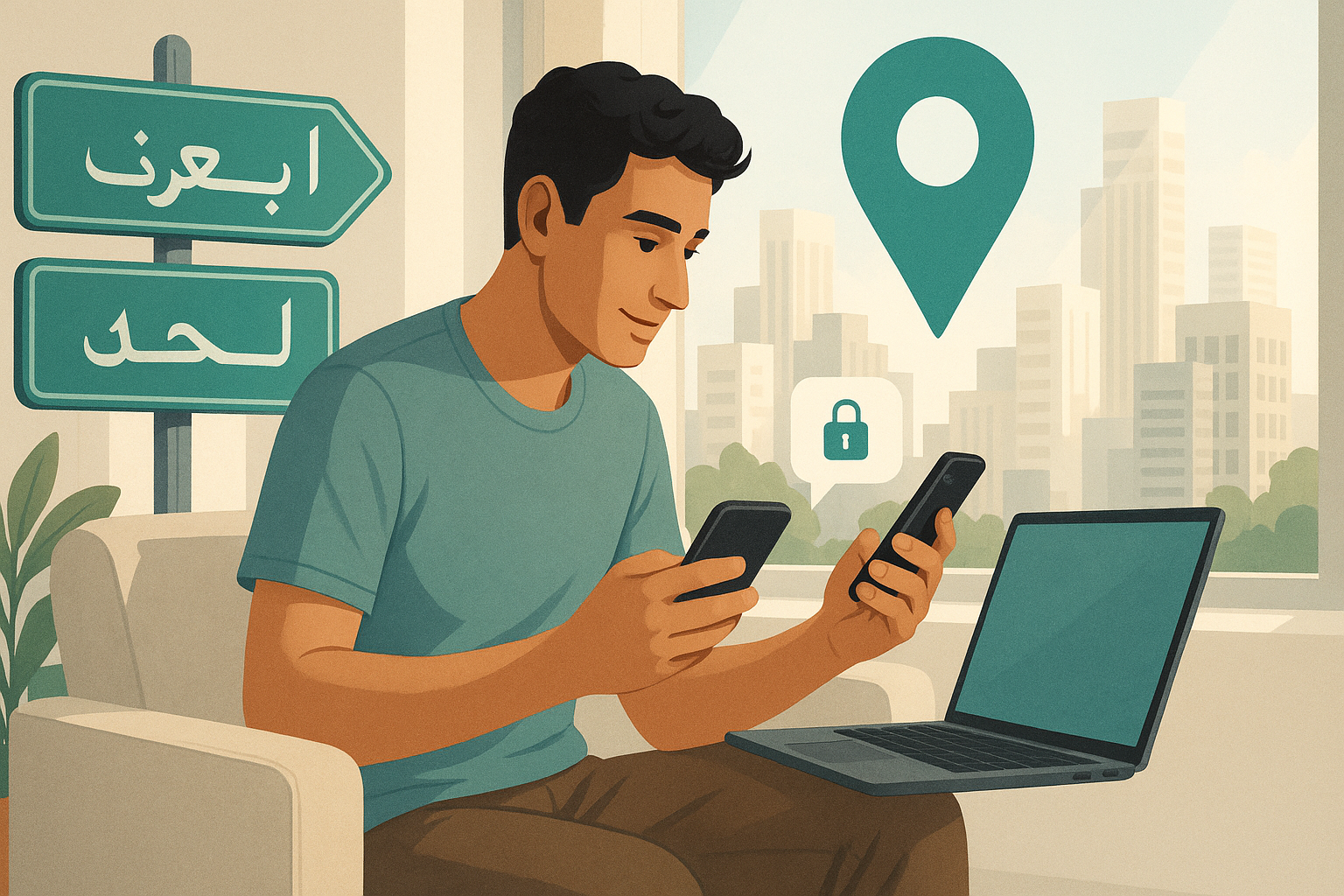
Browser-based private messaging without a phone number
Explore why people look for browser-based messaging with no phone number, and how that changes signup, privacy, and everyday use.
Signing up for a private chat service should feel simple, not intrusive. For many people, the first barrier is not whether the app is secure, but whether they have to hand over a phone number just to try it. Browser-based private messaging changes that starting point. It reduces friction, keeps the entry process light, and avoids tying a chat account too closely to a personal identity.
That does not mean phone-number-free messaging is automatically anonymous or magically safe. It means the service asks for less up front, which is often enough for someone who wants encrypted private chats without linking them to a mobile SIM. Used well, this approach can be practical for work, community groups, temporary conversations, and people who simply prefer to keep contact details separate.
In practice, the best browser-based messaging tools focus on two things at once: ease of access and careful identity protection. That balance is where services like PigeonChat fit naturally, but the ideas matter even if you never sign up for anything.
Why no-phone-number signup matters
A phone number is convenient for recovery and anti-abuse checks, but it also creates a strong link between your chat account and your everyday life. For many users, that link feels unnecessary. If you are trying a new service, joining a one-off project, or talking in a sensitive context, you may not want to share a number at all.
Removing that requirement lowers the effort to begin. You do not need to weigh up whether your number might be visible, stored, or used as a permanent identifier. That extra step can make private messaging feel less like joining a social network and more like opening a conversation.
Just as importantly, no-phone-number signup can be a privacy design choice rather than a gimmick. It shifts the service towards account-based identity, where the account exists on its own terms instead of being anchored to a telecom record. That is a meaningful difference for people who value separation between personal identity and online communication.
Browser-based messaging and reduced friction
Browser-based messaging is attractive because it removes the app-store hurdle. You can open a link, create an account, and start chatting without installing software first. That makes it easier to use on shared machines, locked-down work devices, or systems where you do not want to leave another app behind.
The browser model also suits short-term use. If you only need a private channel for a project, event, or support conversation, browser-based access can feel more proportionate than installing a full mobile app. The less effort required to start, the more likely people are to choose a safer route instead of falling back to public messaging or email.
Of course, convenience should not come at the expense of basic habits. If you are using browser-based private messaging, still treat the device itself as part of your security boundary. A secure chat service is only one layer of protection.
- Use a modern browser with current security updates.
- Log out on shared or public devices.
- Do not reuse passwords across services.
- Prefer unique, hard-to-guess account credentials.
- Check whether the service offers device or session management.
What encrypted private chats can and cannot do
Encryption is central to private messaging, but it is easy to overstate what it solves. Encrypted private chats help protect the contents of your messages while they are moving between you and the other person, and often while stored on the service. That is valuable, because it makes casual interception and routine server access much less revealing.
However, encryption does not erase every trace of communication. A service may still know that an account exists, when it connected, what device it used, or who it talked to in a broad sense. Good private messaging design tries to minimise this metadata, but no system should be treated as invisible by default.
That is why the best approach is layered. Use encryption, yes, but also think about account creation, recovery options, notification settings, and how much personal information you reveal in the conversation itself. Privacy is often lost through convenience, not through cryptography.
Why identity protection is often the real goal
When people say they want private messaging, they often mean they want to control who can connect a conversation to their real-world identity. That can be for safety, professionalism, or simply personal preference. Phone-number-free signup helps with that because it avoids giving out a broadly recognised identifier at the very first step.
This is especially useful when you are separating contexts. You might want one identity for family, another for a hobby group, and another for client work. If a messaging service demands a phone number, those contexts can become harder to keep apart, even if the service itself behaves responsibly.
It is worth saying that identity protection is not the same as secrecy from a determined adversary. It is closer to reducing exposure by default. For many users, that is exactly the right target. You do not need a perfect cloak to benefit from less friction and fewer unnecessary links to your personal life.
What to look for in a private chat service
If you are assessing a browser-based private messaging service, the sign-up flow is only the starting point. A good service should make it clear how messages are protected, what data it stores, and how account recovery works. If those answers are vague, simplicity may be hiding trade-offs.
It also helps to ask how much control you have over your own session. Can you sign out easily? Can you remove a device? Can you tell when a chat is protected and when it is not? Clear answers to those questions usually reflect a more mature privacy design.
Useful signs include:
- No phone number required for basic account creation.
- Clear explanation of encryption and message handling.
- Browser access that works without unnecessary app installs.
- Options to delete chats or close sessions cleanly.
- Minimal collection of personal details at signup.
Practical habits that improve privacy
Private messaging is more effective when paired with sensible habits. Even a well-designed service cannot protect you if you overshare personal details, reuse usernames everywhere, or leave sessions open on devices you do not control. Good privacy is partly a product feature and partly a user discipline.
Try to keep your chat identity distinct from your public identity where that distinction matters to you. Avoid putting your full name, main email address, or other obvious markers into profile fields unless you genuinely need to. If a service lets you remain light-touch, take advantage of that restraint.
It is also wise to think about message content. Encryption protects the transport of your words, but the words themselves can still be revealing. If a chat is sensitive, keep it concise and avoid unnecessary personal details. That advice is simple, but it remains one of the most effective privacy measures available.
Frequently asked questions
Does no phone number mean the service is anonymous?
Not necessarily. It usually means the service does not require a phone number for signup, which reduces one strong link to your real-world identity. You may still have an account, a device trail, or other metadata associated with usage. That is why phone-number-free signup is best understood as identity reduction, not complete anonymity.
Is browser-based messaging less secure than an app?
Not by default. Security depends on the service design, how encryption is implemented, and how carefully you use the browser. A browser-based service can be very secure if it handles sessions well and avoids collecting extra data. The browser itself simply changes the delivery method.
Why would I choose encrypted private chats over standard messaging?
If you want more control over who can see your conversations, encrypted private chats are a sensible choice. They are especially useful when you want to limit exposure to the service provider, reduce the risk of interception, or keep sensitive discussions separate from everyday social platforms. For many people, that extra control is worth a small amount of setup effort.
Phone-number-free signup is not mainly about avoiding a form field. It is about making private messaging easier to access while keeping personal identity less exposed by default. If a service gets that balance right, it can feel more respectful, more practical, and less demanding from the very first click. Whether you use PigeonChat or simply take the ideas into your own privacy choices, the principle is the same: fewer unnecessary links, clearer boundaries, and a better starting point for private conversation.

Writer & Editor at PigeonChat
Related Articles
What a European chat app should offer now

What an EU chat app needs beyond privacy claims
What a browser-based end to end encryption chat app needs
How PigeonChat.site fits the EU privacy app search
Why browsers are becoming the new private chat home