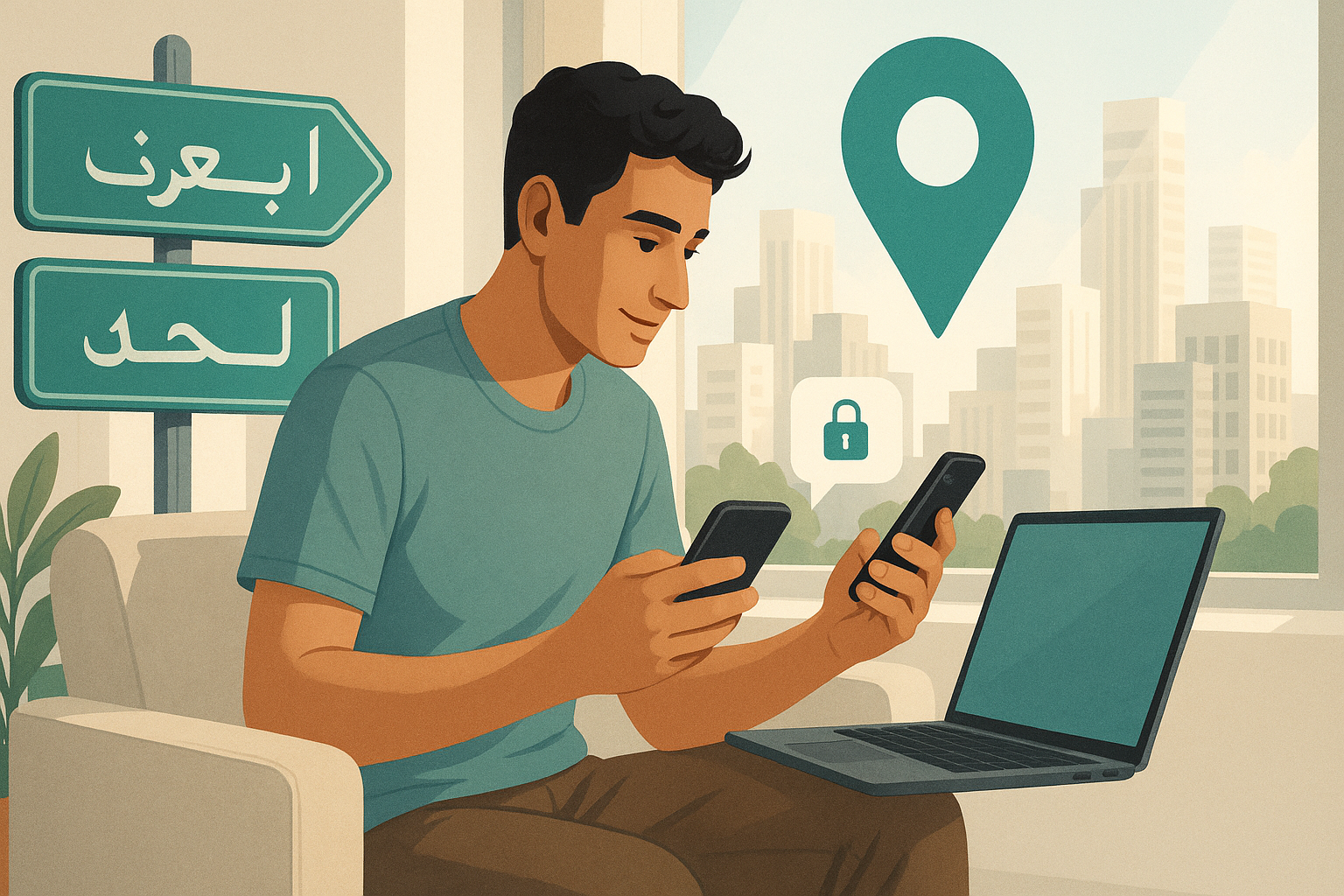
Why people are leaving Facebook and Messenger
Users are rethinking Messenger and other social chat tools. This article covers the privacy, fatigue, and control reasons behind that shift.
People do not usually leave Facebook and Messenger for one single reason. They leave because the experience starts to feel heavy. There is the drift from close conversation to public noise, the sense that the feed is built to hold attention rather than serve it, and the creeping feeling that you are always being nudged to click, react, compare or scroll.
That is why this trend is about more than features. A better camera filter or a cleaner inbox is rarely enough to keep people attached if they no longer trust the platform, or if using it feels like work. In social media, attention fatigue and trust are often as important as technical design. The same is true of private messaging, where people want something that feels direct, quiet and dependable.
For many users, the question is not "Is Facebook useful?" but "Does this still feel worth the effort?" That is a very different standard, and it helps explain why people look elsewhere, including simpler tools, more private spaces, and alternatives such as PigeonChat when they want conversations to feel less noisy.
Trust is becoming part of the product
Trust is no longer a vague brand issue. It shapes whether people open an app in the first place. If a platform seems unpredictable about privacy, moderation, recommendation systems or messaging quality, users begin to assume the worst, even if they cannot point to one specific incident.
That hesitation matters because social media and private messaging are intimate habits. People use them to stay in touch with family, arrange plans, share photos, talk through work and manage everyday life. When a service feels brittle or overly intrusive, the cost is not just annoyance. It is lost confidence.
This is also why more people are interested in tools that are easier to understand. If a messaging app has a clear purpose and does not try to become everything at once, it can feel more trustworthy. That is one reason simple communication products keep getting attention.
Attention fatigue changes what people value
For years, the appeal of big social platforms was convenience. Everyone was already there, so staying meant less friction. But convenience begins to matter less when the experience becomes cluttered with recommendation loops, ads, suggested posts and unnecessary prompts.
At some point, users stop asking whether the platform has enough features and start asking whether it has too many. That shift is subtle but important. A tool that once saved time can start consuming it. Instead of checking in to catch up, people open it and find themselves pushed into a longer session than they intended.
Private messaging has escaped some of that pressure, but not all. Many users now want messaging that is calm by default, with fewer interruptions and less expectation of constant availability. They want communication, not a second feed.
Why Facebook and Messenger feel harder to keep using
There are practical reasons too. Facebook has long been trying to serve many audiences at once, from casual browsing and community groups to event planning, marketplace use and direct messaging. Messenger has also accumulated enough complexity that it no longer feels like a simple companion app.
When a product tries to do everything, it often becomes less satisfying at each individual task. The chat feature may still work, but the overall experience can feel scattered. Users notice small frictions such as too many tabs, too much emphasis on content discovery, or features that seem designed for the platform rather than for the person using it.
Meanwhile, the social graph itself has changed. People are now spread across group chats, niche communities, work tools and private channels. They do not need one central place to do everything. That makes leaving easier, because the cost of moving is lower than it once was.
Privacy expectations have risen
Even people who are not especially technical have become more aware that digital services collect data and shape behaviour. They may not know the details, but they understand the broad pattern. This creates a permanent background of caution around large platforms, especially ones built on advertising.
That caution is particularly strong in messaging. Private messaging is supposed to feel private, even when users know that no service is perfect. If an app makes people wonder who can read what, which device is synced, or how their metadata is handled, that uncertainty can be enough to push them away.
This does not mean everyone is becoming a privacy purist. It means expectations have shifted. People want the basics to be clear, and they do not want to have to study a policy document just to send a message or join a conversation.
- People want fewer surprises about what an app does with their data.
- They prefer tools that are easy to explain to friends and family.
- They are more likely to leave if privacy feels like a compromise rather than a default.
- They value messaging that stays focused on conversation, not on engagement.
Leaving is easier when communities are portable
A big reason departures from Facebook and Messenger have become more common is that communities are less dependent on one platform than they used to be. Group chats can move to other apps. Local communities can use email lists, forums, channels or smaller chat products. Friends who really want to stay in touch will usually find a way.
That portability weakens the lock-in effect. If the main thing keeping someone on a platform is the fear of missing out, and that fear is reduced because contacts can be reached elsewhere, then the platform has to work harder to earn daily use.
It also changes behaviour gradually rather than all at once. People may keep an account but check it less. They may stop posting and only use Messenger for a few contacts. Later, they may delete the app entirely. The departure is often a slow retreat rather than a dramatic exit.
What this means for new communication tools
The lesson for newer products is not "be anti-Facebook" for its own sake. It is to understand what people are trying to escape. They are usually not chasing novelty. They are looking for less pressure, less noise and more confidence that the tool is serving them, not the other way around.
That creates space for products that are deliberately narrower. A private messenger does not need to become a content network. A chat app does not need a recommendation engine. Many users would rather have a service that does fewer things well than one that keeps expanding its scope.
PigeonChat fits that idea because it is easier to approach as a communication tool rather than a social universe. Even if you never sign up, it is worth noticing the pattern: the most attractive alternatives are often the ones that respect attention and make trust feel ordinary, not exceptional.
Frequently asked questions
Why are people leaving Facebook if it is still widely used?
Because widespread use does not equal satisfaction. Many people stay only out of habit or because specific contacts are still there. When the experience feels noisy, repetitive or trust-heavy, users often reduce how often they check it, then gradually move elsewhere.
Is Messenger still useful for private messaging?
Yes, for many people it is still convenient. But some users now prefer private messaging apps that feel simpler, more focused and easier to trust. The issue is not that Messenger stops working, but that it may no longer feel like the best fit for how people want to communicate.
What makes a messaging app feel trustworthy?
Clarity helps. People tend to trust apps that are straightforward about what they do, do not try to overwhelm them with extra features, and make private messaging feel like the main purpose rather than an add-on. Familiarity matters too, but so does the feeling that the app is not trying to harvest attention.
In the end, this trend says as much about digital exhaustion as it does about technology. People are not simply abandoning one platform for another. They are making a quieter judgement about what kind of online life feels sustainable. For many, that means choosing tools that are lighter, clearer and more respectful of attention, whether that is a smaller messenger, a private community, or a service like PigeonChat.

Writer & Editor at PigeonChat
Related Articles
Why browsers are becoming the new private chat home

Why a European chat app matters for privacy and compliance

Why UAE users keep searching for a better chat app

Why people still look for a best chat app in the UAE
What a European chat app should offer now