Why people want a WhatsApp alternative without a number
People keep asking for chat apps that skip phone numbers, installs, and clutter. This brief explains the privacy and convenience reasons behind that search.
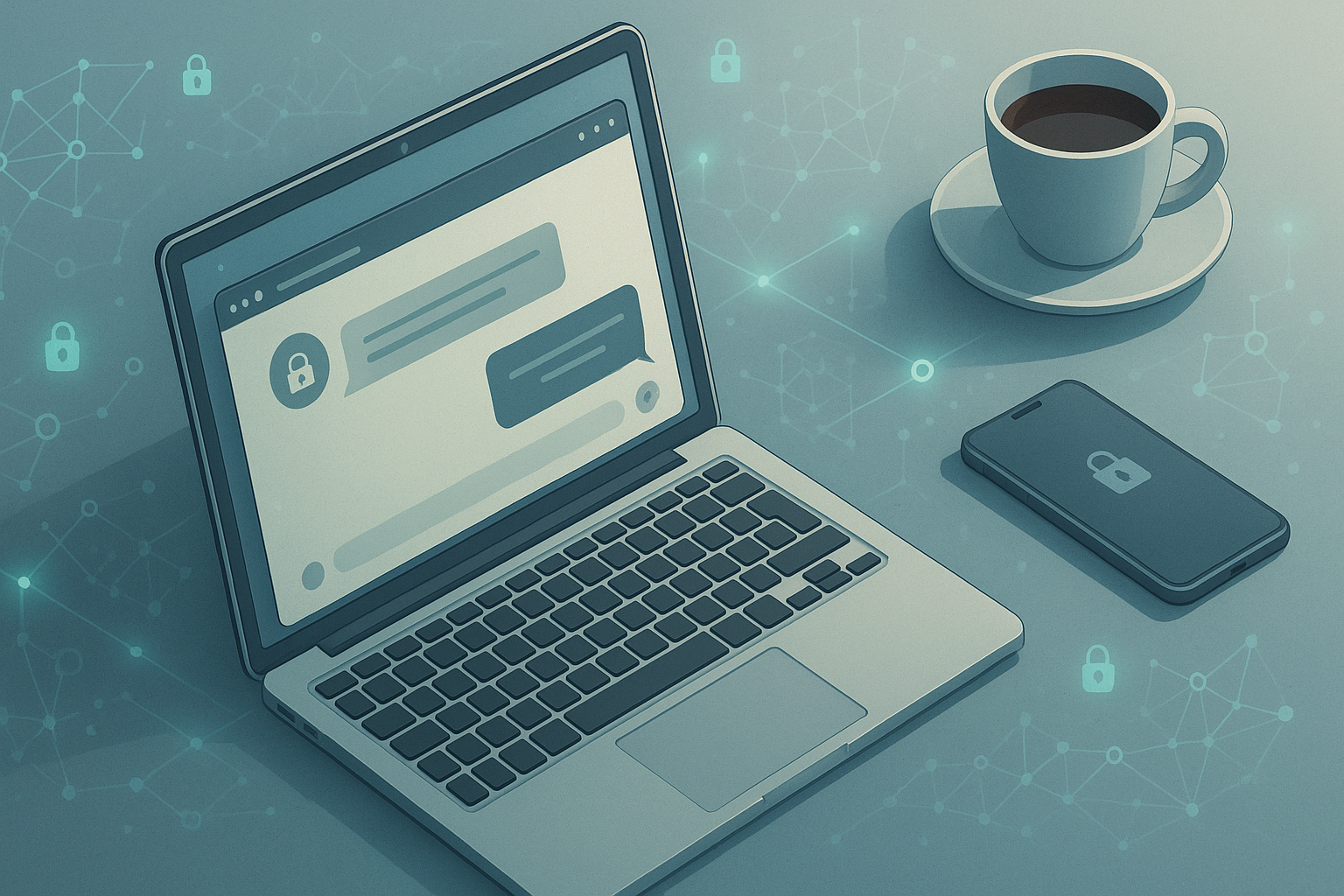
Many people searching for a WhatsApp alternative are not really looking for a radically different way to message. They want less friction, more privacy, and fewer hoops to jump through before a conversation can begin. In other words, the ideal private chat app should feel immediate without asking for more personal data than necessary.
The phone number requirement is a good example of that friction. For some people it is simply inconvenient. For others, it creates a stronger link between identity and messaging than they are comfortable with. If you have ever wanted to chat without handing over a mobile number, you are not alone.
That is why no phone number login has become such a common request. It is not about hiding from legitimate contact. It is about choosing how you present yourself, keeping work and personal life separate, and reducing the amount of data tied to every account. Services like PigeonChat exist because that balance matters to real users.
Why the phone number feels like friction
For many people, a phone number is a practical identifier, but it is not always the best one for messaging. You may not want a chat app to use the same number you share with family, employers, delivery services, and half the internet. A username, invite code, or link can feel more deliberate and less exposing.
The friction is not only about privacy. It is also about flexibility. If you change numbers, travel often, or use a work phone, the login step can become awkward. A private chat app that does not depend on a SIM card can make setup and sign-in much simpler.
There is also the social side of it. A phone number tends to suggest direct access, which can make messaging feel more personal than intended. Some people prefer a layer of separation that lets them decide who can contact them and how.
What people usually mean by privacy
When people ask for a WhatsApp alternative, they often mean more than encryption. Privacy in practice includes control over discoverability, contact sharing, and profile visibility. A secure message is important, but so is whether strangers can find you by your number.
That is why no phone number login matters. It reduces one of the easiest ways to connect your messaging account to your offline identity. For many users, that is enough to make an app feel safer, even before they look at message protection features.
Privacy also includes minimising data collection. If an app needs fewer personal details to create an account, there is less information to store, remember, or potentially expose. That does not make every no-number app automatically private, but it does lower the baseline amount of personal data involved.
- Less identity exposure when signing up
- Fewer contacts tied to your account by default
- Easier separation between personal, work, and temporary use
- Reduced dependence on a mobile SIM for account access
Why convenience matters just as much
People sometimes assume privacy and convenience are opposites, but in messaging they often work together. If an app is awkward to start using, most people will not keep it installed. A good alternative to WhatsApp should make the first conversation feel as easy as the hundredth.
This is where a no phone number login can help. A username, shareable invite, or browser-based setup can remove a few steps without making the experience feel technical. The less users have to think about account creation, the more likely they are to actually use the app.
Convenience also matters for recurring use. If you can log in from a new device without waiting for a mobile signal or SMS code, the app becomes more resilient in everyday life. That is a practical benefit, not just a privacy feature.
What to look for in a private chat app
If you are comparing options, focus on the parts that affect real use rather than just the headline features. A private chat app should be easy to start, easy to trust, and easy to leave if needed. That means looking at identity, message access, and contact controls together.
Good alternatives usually offer some combination of these qualities, though no app gets everything perfect:
- Account creation without a phone number
- Clear controls over who can message you
- Simple one-to-one and group chat features
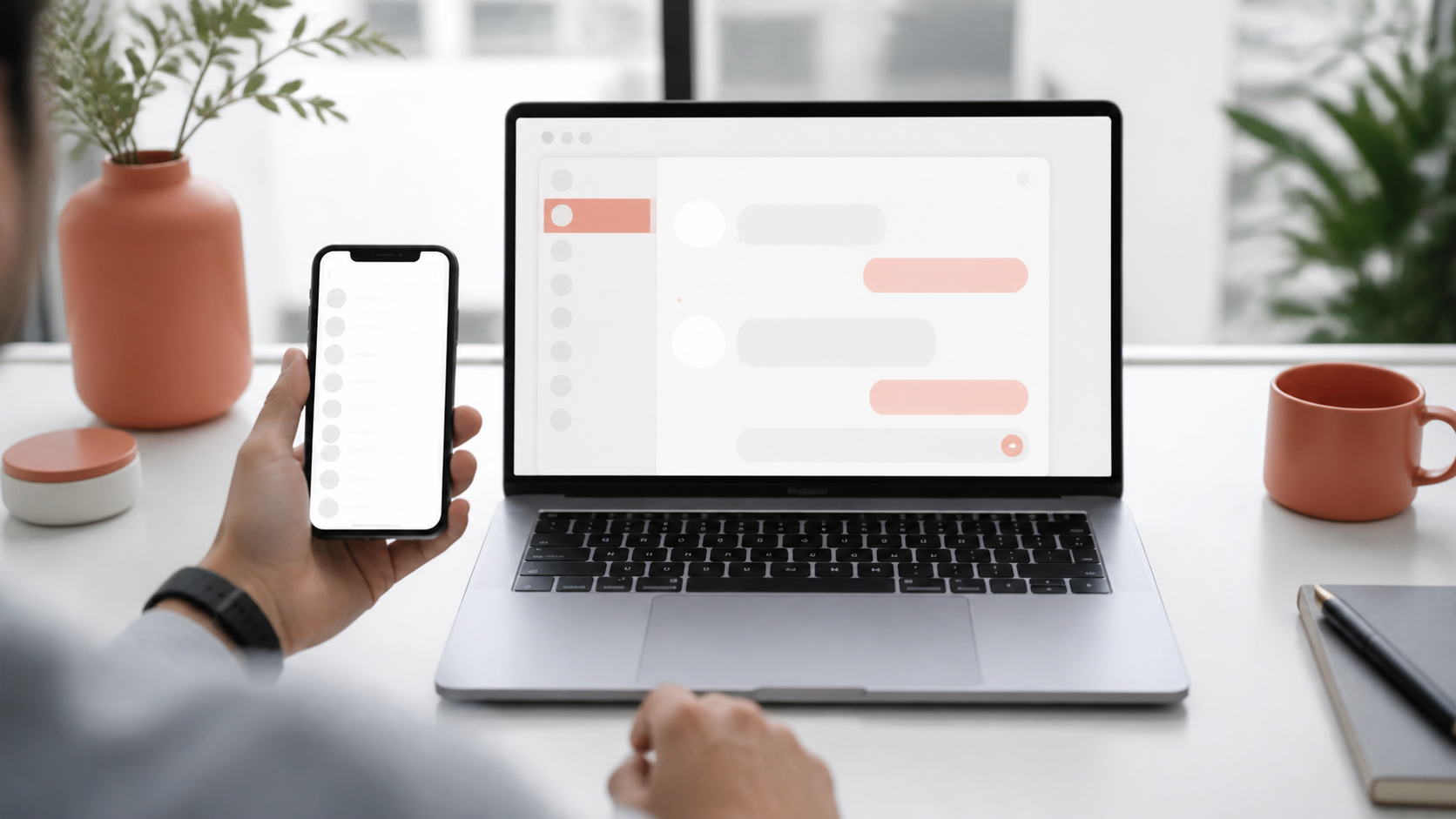
- Low friction on mobile and desktop
- Readable privacy settings rather than hidden menus
It also helps to ask what the app is optimising for. Some services are built around casual chatting, while others are better for communities, teams, or invite-only spaces. PigeonChat, for example, is positioned around reducing friction while keeping personal details out of the signup process.
Common reasons people switch
Most people do not abandon one messaging app because of a single issue. They switch when several small frustrations add up. The phone number requirement is often one of the first things they notice, but it is rarely the only reason.
Common reasons include wanting a cleaner separation between identities, reducing spam, avoiding contact syncing, and testing a service before sharing any personal information. Some users simply prefer tools that do not make assumptions about who they are or how they should be reached.
Another reason is trust. If an app asks for less at the start, it can feel more respectful. That feeling is subjective, but it matters. People are more willing to use a service that seems designed around restraint rather than collection.
How to judge the trade-offs honestly
No phone number login is useful, but it is not a magic privacy guarantee. You still need to think about message security, metadata, device access, and how much profile information you reveal after sign-up. A clean login flow is only one part of a broader privacy picture.
It is also worth remembering that some familiar conveniences may be harder to support without a number. Account recovery, contact discovery, and device switching can all be more complex. The best apps try to solve those problems without asking for more data than necessary.
So the real question is not whether a service uses a number. It is whether it gives you enough control to communicate comfortably, without turning your identity into the default entry point for every chat.
Frequently asked questions
Why do people want a WhatsApp alternative without a number?
Mostly because they want less friction and more control. A phone number can feel too personal for an app that is meant to manage everyday conversations. Many people prefer an account based on a username or invite instead.
Is no phone number login the same as complete privacy?
No. It only reduces one common link between your account and your real-world identity. You still need to consider message security, profile visibility, and what information the app stores behind the scenes.
What should I prioritise when choosing a private chat app?
Look for simple sign-up, clear privacy settings, and controls over who can contact you. If you want a less intrusive experience, check whether the app works without a mobile number and whether it keeps account recovery straightforward.
If you are exploring a WhatsApp alternative, start by asking what matters most to you: easier sign-up, fewer personal details, or stronger separation between identities. The right choice is usually the one that removes friction without creating new worries, and that is exactly the space many modern private chat apps, including PigeonChat, are trying to improve.
Ready to try PigeonChat?

Writer & Editor at PigeonChat
Related Articles

How PigeonChat.site fits the Messenger and Telegram search

How PigeonChat.site differs from WhatsApp and Telegram

How PigeonChat.site compares with WhatsApp and Signal
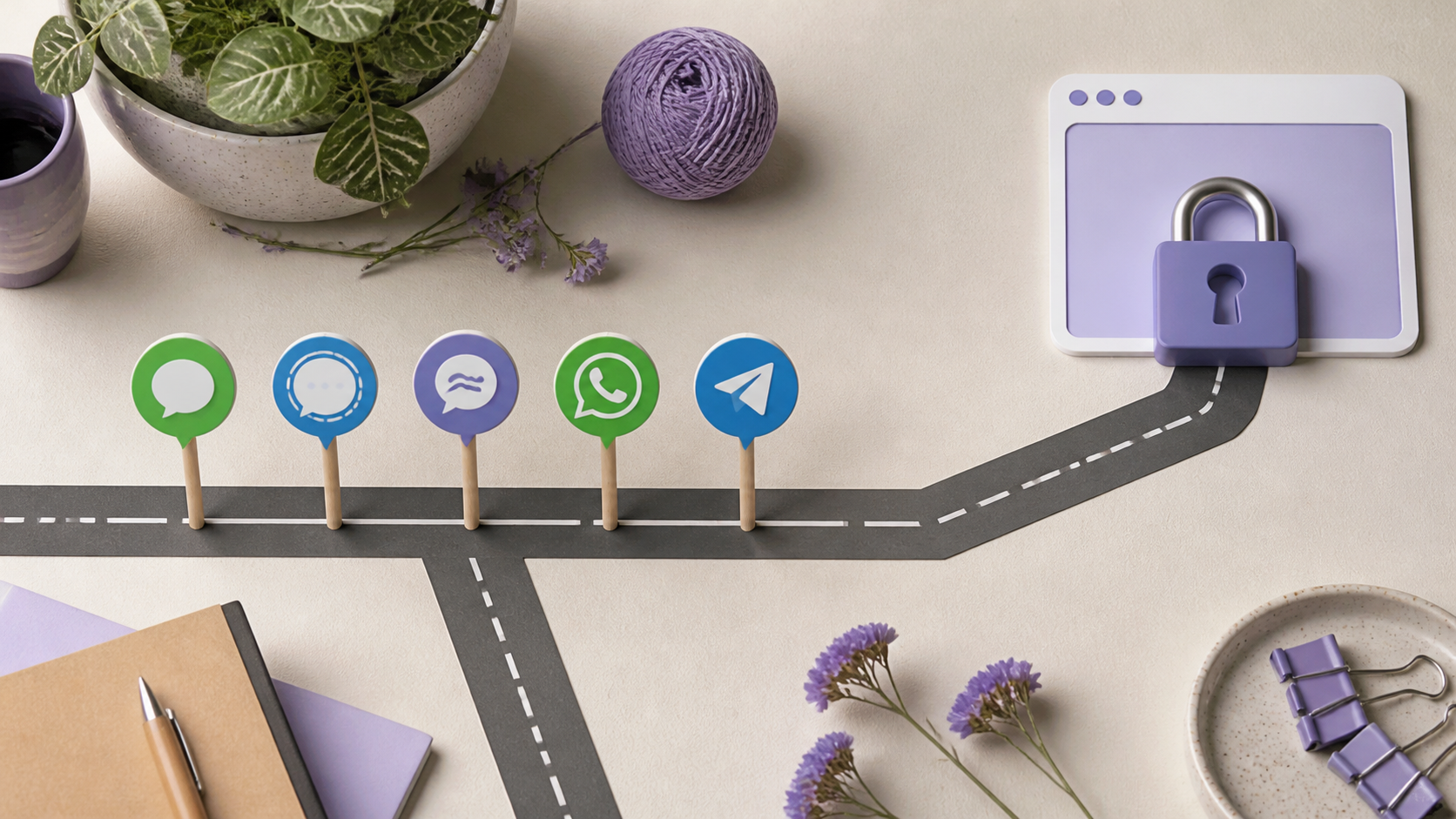
When Signal is not enough: comparing private chat apps
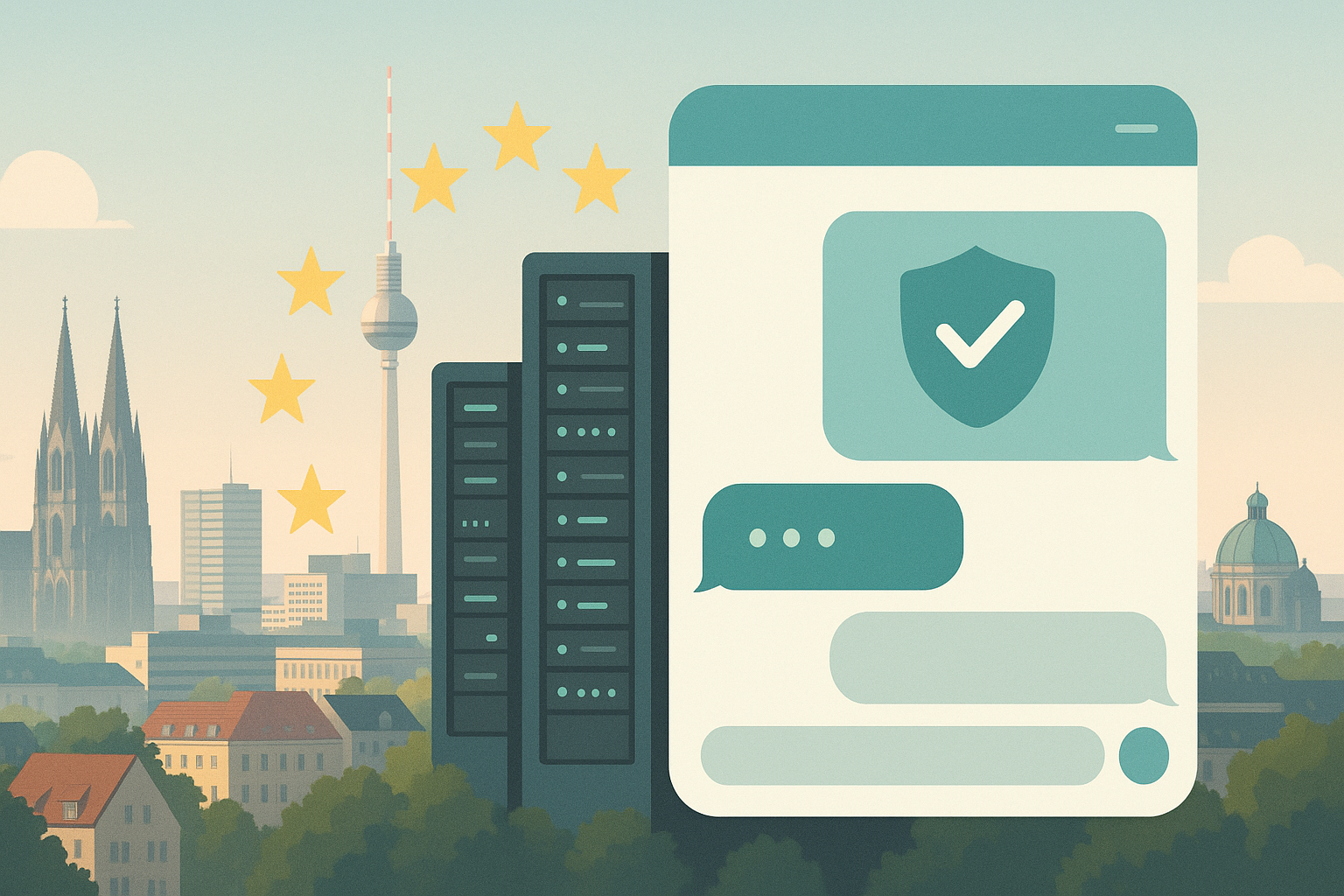
What a European chat app should offer now