What Public Channels Give Online Communities
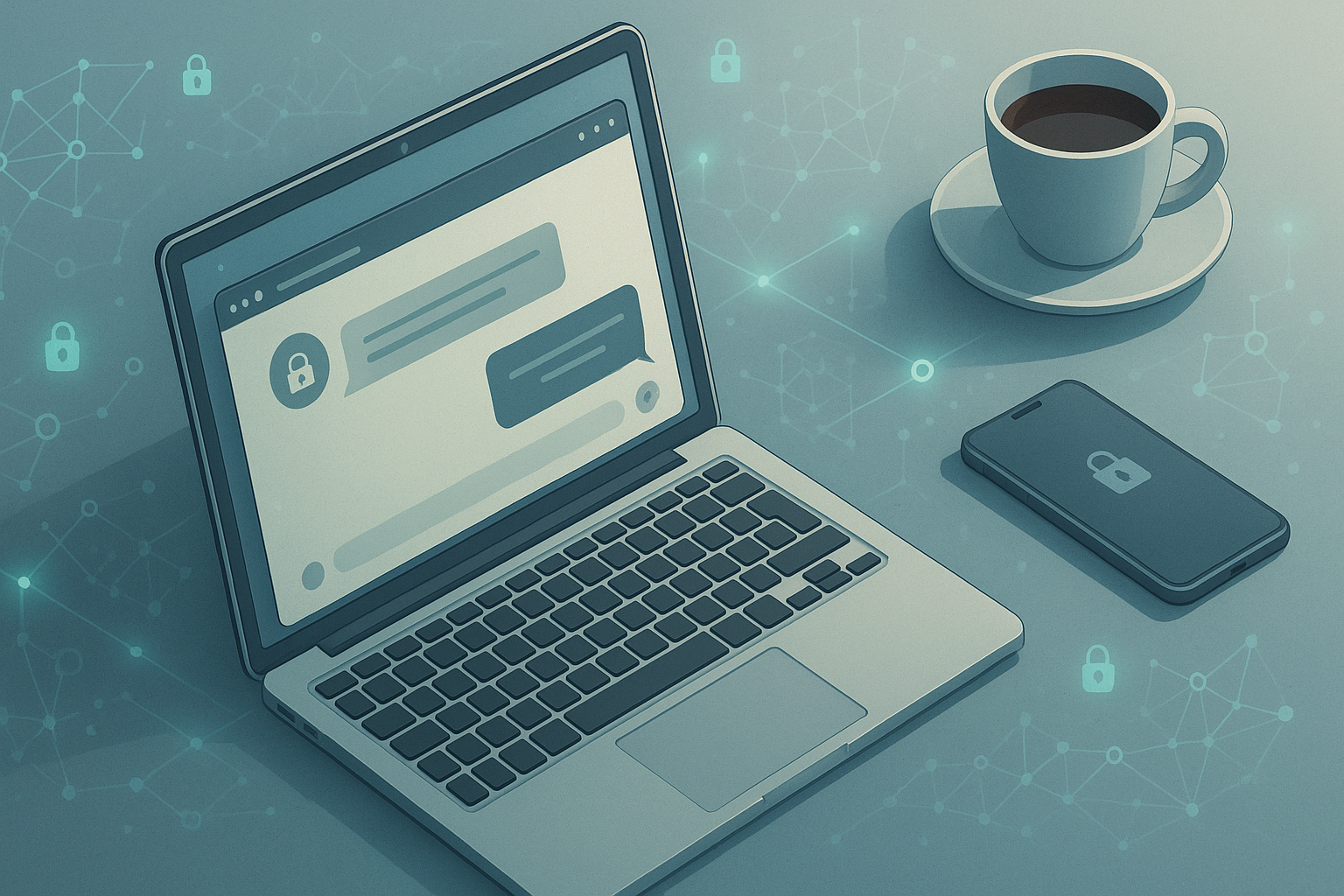
Break down why public channels matter for announcements, member updates, and open discussion when a community needs visibility and structure.
Public channels are one of the simplest ways to keep an online community lively without turning every message into a side conversation. They give everyone a shared place to see announcements, updates and useful context, while private chats can stay focused on smaller, more personal exchanges.
That separation matters. When broadcast updates are mixed into the same space as daily chatter, important posts get buried and members start missing the point of the group. Public channels help communities stay readable, which makes them easier to join, easier to follow and much easier to maintain over time.
For group organisers, the goal is not just to post more. It is to create a structure that helps people understand what belongs where. If you are running a forum, a club, a fan group or a professional network, clear public channels can do a lot of quiet work in the background.
Why public channels work so well
Public channels give communities a reliable front door. New members can arrive, look around and quickly understand what is happening without having to ask for a summary in private. That first impression matters because it reduces uncertainty and makes participation feel less intimidating.
They also create a shared memory. Important updates, event details and decisions are visible to everyone, so members are less likely to rely on screenshots, forwarded messages or second-hand explanations. In practical terms, that means fewer repeated questions and less confusion.
In spaces like PigeonChat, public channels can act as the stable layer of the community while private chats remain the place for direct replies, quick coordination and relationship building.
Separating broadcast from conversation
The strongest use of public channels is not to replace conversation, but to separate it from broadcast. Announcements, schedules, rules and topic summaries belong in a place where people can find them quickly. Replies, brainstorming and personal follow-up belong elsewhere.
This separation is especially helpful in busy groups. Without it, a single announcement can turn into a long thread of unrelated replies, jokes and support questions. That may feel friendly in the moment, but it makes the original information harder to recover later.
Think of it as a good noticeboard next to a good meeting room. The noticeboard keeps everyone informed. The meeting room is where people talk things through. Communities usually need both.
How public channels support healthy group behaviour
Public channels encourage a steadier rhythm. Members know where to look for official updates, which reduces repeated posting and helps the whole space feel more organised. That structure can make a group seem calmer without making it cold.
They also support light accountability. When community norms, moderation notes or event plans are visible to all, people are less likely to misunderstand expectations. Clear public messaging can prevent disputes that would otherwise begin with simple confusion.
Another benefit is inclusion. Not every member feels comfortable jumping into private conversations straight away. A public channel gives them a low-pressure way to observe the group, learn its tone and decide how they want to take part.
- Shared visibility - everyone sees the same core information.
- Lower repetition - fewer duplicate questions about the same topic.
- Clearer norms - rules and expectations are easier to reference.
- Easier onboarding - newcomers can orient themselves faster.
- Better focus - private chats stay available for actual conversation.
What to post in a public channel
The best public channels are not overloaded. They are selective. A small number of useful posts will usually do more for community health than a constant stream of content that nobody needs.
Good material includes event notices, pinned resources, moderation guidance, highlights from discussions, product updates, weekly prompts and links to documents or threads that matter to the whole group. If a message is useful to many people, it probably belongs in public.
By contrast, one-to-one troubleshooting, private follow-up, sensitive feedback and lengthy back-and-forth debate are usually better handled elsewhere. Public channels work best when they keep the big picture visible.
Common mistakes to avoid
One common mistake is treating a public channel like a dumping ground. If everything is posted there, nothing feels important. People stop checking, and the channel loses its value as a clear source of truth.
Another mistake is making the public space too rigid. If members cannot ask basic questions or respond in a natural way, the channel can feel like a broadcast wall rather than part of a living community. Structure matters, but so does warmth.
It also helps to avoid over-moderation of harmless discussion. The aim is not to silence people. It is to keep the channel legible so the community can grow without becoming noisy. PigeonChat works well when public and private spaces each have a clear purpose.
Practical ways to set up public channels
If you are creating channels for a group, start with a small number and give each one a clear job. Naming matters because people decide very quickly whether a channel feels useful or confusing. A simple label is usually better than a clever one.
It is also worth pinning a short description at the top of each channel. Explain what belongs there, what does not, and where to go for related conversations. That small bit of guidance can save a lot of time later.
Here is a simple structure that often works well:
- Announcements - important updates only.
- Introductions - a friendly place for newcomers.
- Events - schedules, links and reminders.
- Resources - useful documents, guides or references.
- General discussion - if you want one open public space for light chat.
If you want a platform that makes this kind of structure straightforward, PigeonChat is built around separating shared information from more personal conversation. Even if you use something else, the principle is the same: make public channels easy to scan, and make private spaces easy to use.
Frequently asked questions
Are public channels only for announcements?
No. Announcements are often the main use, but public channels can also host introductions, event planning, shared resources and visible discussion starters. The key is that the content should be useful to more than one person.
Do public channels make communities less personal?
Not if they are used well. In fact, they can make a community feel more welcoming because people can understand what is going on before they speak. Personal conversation still has a place, but it works better when it is not forced to carry every update.
What is the biggest benefit of separating public and private spaces?
Clarity. People know where to look for updates and where to talk things through. That reduces noise, makes the group easier to follow and helps important information stay visible.
Public channels are not a decorative feature. They are a practical part of community design, especially when a group wants to stay active without becoming chaotic. Used thoughtfully, they give people a shared reference point, make onboarding easier and keep the public life of the community distinct from the private work of conversation.
Ready to try PigeonChat?

Writer & Editor at PigeonChat
Related Articles

PigeonChat.site for teams that need private group chat

How chat groups help schools and universities stay organized

How chat groups help schools and universities

How chat groups help schools and universities stay organized
What a European chat app should offer now