Why people search for private chats without a phone number
Searches for private messaging often come from people who do not want a phone number tied to their account. This article explains that need clearly.
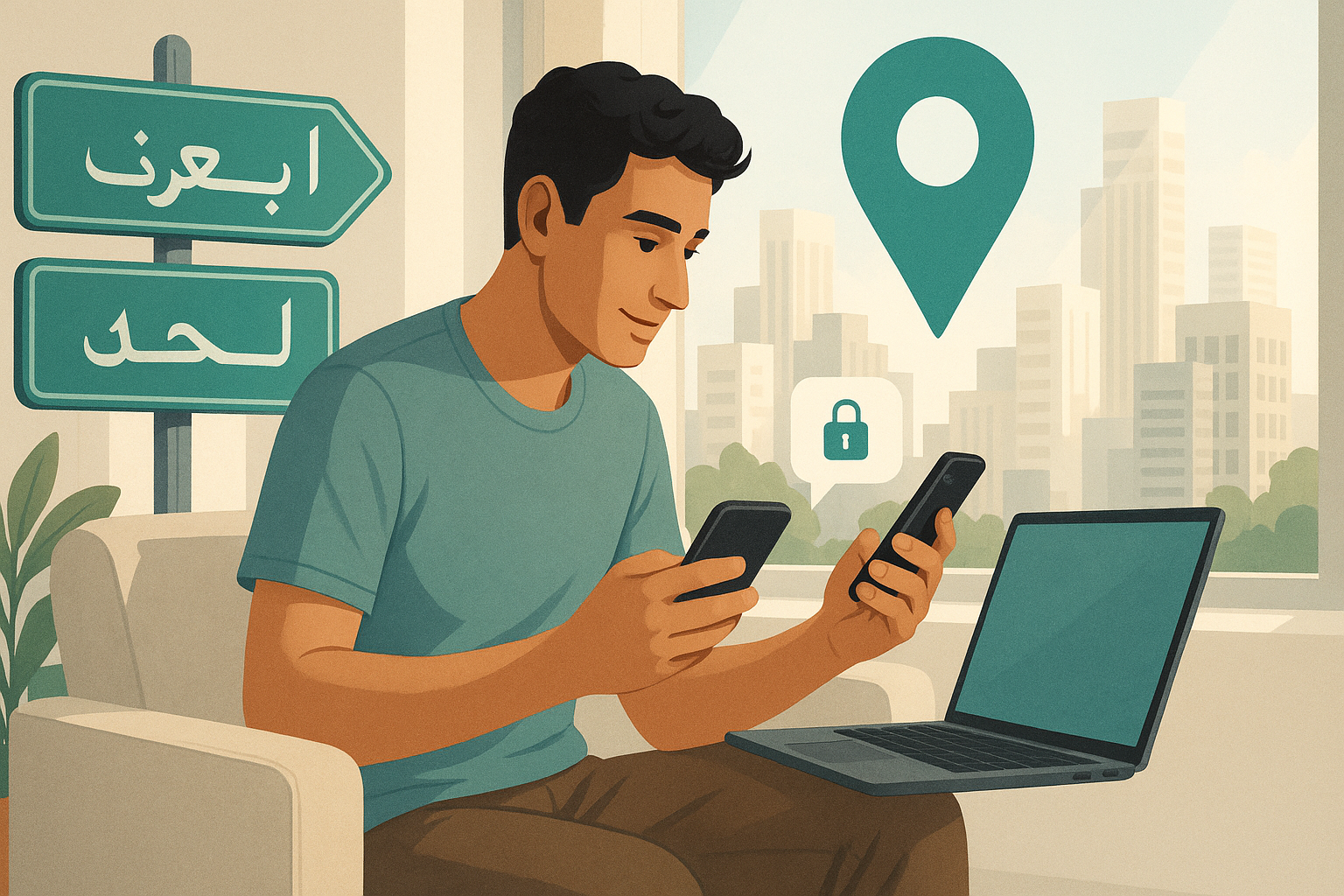
For many people, the appeal of private chats starts before the first message is sent. They want to talk without handing over a phone number, without tying a conversation to a contact list, and without creating another easy identifier that can be linked back to them later. That is not an unusual preference any more. It is becoming a standard privacy expectation.
Phone-number-free signup sits alongside other everyday concerns such as account traceability, message retention, and how much personal data a chat app needs to function. In practice, people are not always looking for complete anonymity. More often, they want control. They want to decide who can reach them, what details are exposed, and how much of their identity is required to begin a conversation.
That is why searches for private chats, no phone number login, encrypted private chats and browser based messaging keep showing up in app comparisons and product discussions. People are asking a simple question: can I talk privately without giving away more than I need to?
Privacy is now part of basic usability
Many chat apps still treat a phone number as the default account key. It is convenient for onboarding and contact discovery, but convenience for the platform is not always convenience for the user. A phone number can reveal more than people expect. It can connect a chat account to a personal device, a SIM contract, a region, and sometimes a wider identity graph through contacts and recovery tools.
For users who are careful about their online footprint, this feels unnecessary. They may be joining a group for work, testing a new community, speaking to a client, or using a chat service on a shared device. In all of these cases, a phone-number-free option is not a niche extra. It is the sensible default they wish more services offered.
Apps such as PigeonChat are often evaluated on this point because the signup step sets the tone for the rest of the experience. If an app asks for less at the start, users tend to assume the rest of the system has been designed with restraint too.
Why phone numbers feel risky to many users
A phone number is useful, but it is also durable. People change passwords, delete apps and rotate email addresses, but a mobile number often stays with them for years. That persistence makes it valuable for account recovery, yet it also makes it attractive as a cross-service identifier. If the same number is used across several tools, it becomes easier for accounts to be linked together.
There is also a social dimension. Not everyone wants a chat app to have access to their personal or professional contacts. Some people are separating work and personal life. Others are joining a temporary project, a public community or a local group and do not want their main number exposed. For those users, no phone number login reduces friction in a very practical way.
It is also worth remembering that privacy concerns are not only about surveillance in the abstract. They are about everyday discomfort: unwanted contact, account discovery by acquaintances, and the feeling that a private conversation should not begin with a relatively identifying piece of personal data.
Encrypted private chats do more than hide message content
When people ask for encrypted private chats, they are often thinking beyond the text of the messages. Encryption matters because it helps protect content in transit and, depending on the design, may also limit what the service provider can see. That said, good privacy depends on more than encryption alone. Metadata, contact matching, backups and account recovery all shape the overall level of protection.
This is why a product can advertise encryption and still feel too invasive for cautious users. If it requires a phone number, syncs contacts by default, or makes it difficult to leave traces behind, the privacy story is incomplete. People notice these trade-offs quickly.
When comparing private chats, it helps to ask a few simple questions:
- Does the app require a phone number, or can you register with a less identifying method?
- Is message content encrypted, and is the encryption explained clearly?
- What data is collected at signup and during use?
- Can you control who finds you and how?
- Are backups, device sync and recovery designed with privacy in mind?
Browser based messaging lowers the barrier without lowering standards
Browser based messaging appeals to people for a different but related reason. It removes installation friction and works well on devices where users do not want to add another app. For someone trying to keep chat separate from a main phone, or for someone on a shared computer, the browser can be the most practical route into a conversation.
The browser itself does not guarantee privacy, of course. A browser-based service can still collect too much data or make weak choices about session handling. But the format does give users flexibility. They can try a service quickly, use it on multiple devices, and avoid linking the experience too tightly to one personal handset.
This is one reason browser based messaging and no phone number login often appear together in user requests. The combination signals a desire for low-friction access without the usual identity tie-in. For chat products, that is a meaningful design brief, not a special case.
What people actually want from a private chat app
Most users are not asking for secrecy in the dramatic sense. They are asking for reasonable separation, less exposure and clearer control. A useful private chat app should help them communicate without feeling watched, tracked or forced into oversharing.
In practical terms, that usually means a few consistent expectations. The signup process should be simple. The app should explain what is required and why. The user should be able to keep their identity details minimal. And if the app offers encrypted private chats, it should make the privacy benefits understandable rather than treating them as marketing jargon.
Here is the pattern that keeps coming up in privacy-conscious conversations:
- Less personal data at signup
- Clear control over discoverability
- Simple, reliable access across devices
- Encryption that is easy to understand
- Minimal assumptions about contact syncing
Why this is becoming mainstream, not specialised
It used to be easy to assume that phone-number-free signup only mattered to technical users or people with unusual privacy needs. That view is now too narrow. Everyday users are more aware of how often their identifiers are reused, shared or inferred. They are also more comfortable questioning defaults that were once treated as inevitable.
This shift matters because it changes what a good chat product looks like. The strongest services do not just add privacy as a feature page. They design around it from the start. That includes account creation, device access, message handling and recovery. In that sense, asking for less at signup is part of a broader respect for the user.
PigeonChat fits into that wider conversation because it recognises the practical value of restraint. Whether someone is using it or just comparing products, the underlying lesson is the same: privacy is not a bonus for a small group. It is increasingly part of what people expect from any serious messaging tool.
Frequently asked questions
Why do people prefer chats without a phone number?
Because a phone number can feel too identifying for a private conversation. Many users want a way to communicate without linking the chat account to their main personal number, contacts or device identity. It is often about control rather than total anonymity.
Are encrypted private chats enough on their own?
Not always. Encryption is important, but it does not cover every privacy concern. Users also need to think about metadata, contact discovery, backups, account recovery and what the service requires at signup. A private chat app should be judged on the whole design, not just the encryption label.
Is browser based messaging less private than a dedicated app?
Not by default. Browser based messaging can be private if the service is designed well. The main differences are practical: browsers make access easier and can reduce device dependency. The real question is how the service handles sessions, data collection and account linking.
In the end, the demand for private chats without a phone number is not a passing trend. It reflects a broader change in how people think about identity, access and trust online. If a chat app wants to feel modern, it should make privacy feel ordinary, not exceptional.

Writer & Editor at PigeonChat
Related Articles
What a European chat app should offer now

What an EU chat app needs beyond privacy claims
What a browser-based end to end encryption chat app needs
How PigeonChat.site fits the EU privacy app search
Why browsers are becoming the new private chat home