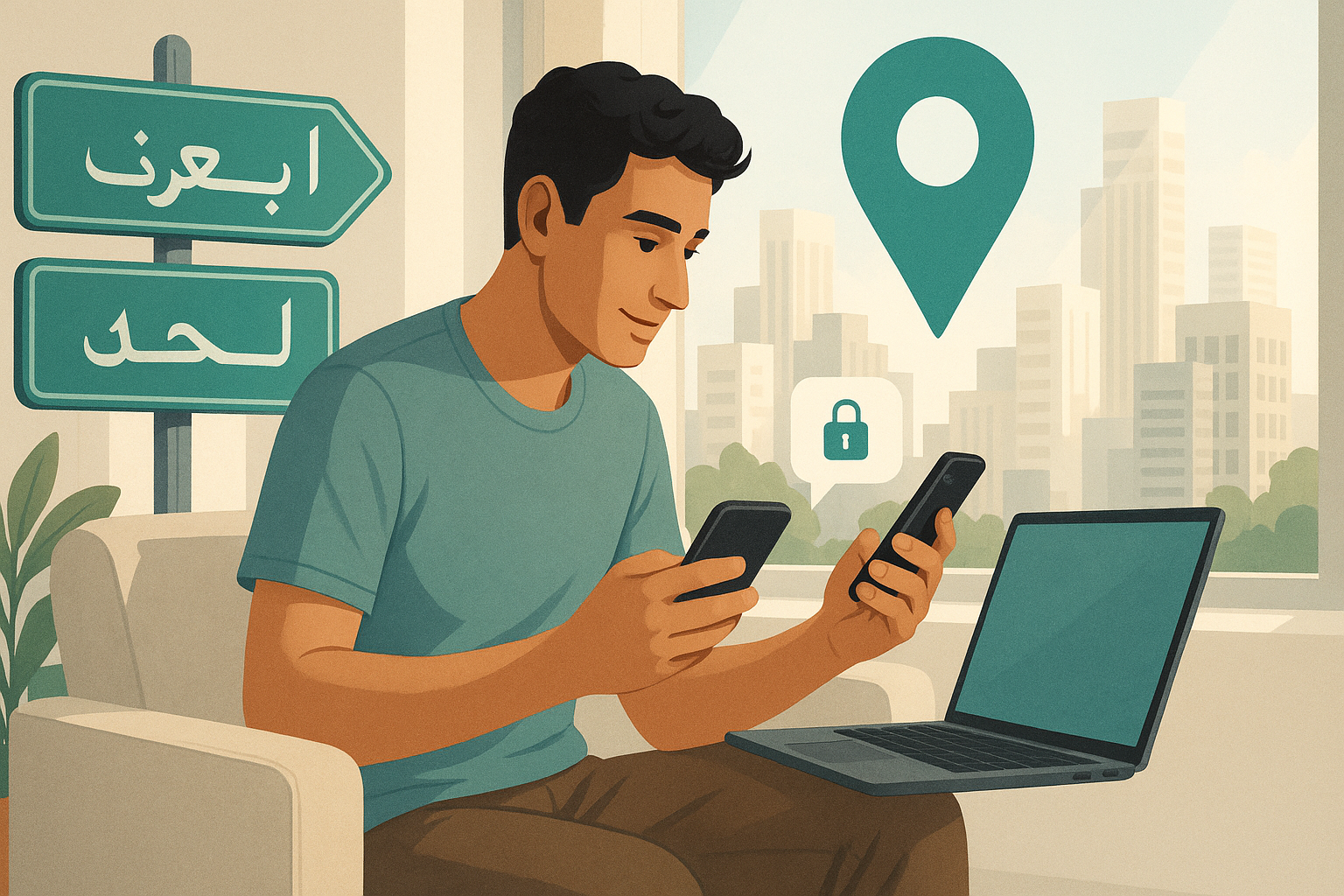
What people want from private chat apps in 2026
Real discussions show people want private chats that are browser-based, encrypted, and easy to join without a phone number or install.
People often say they want privacy, and that is true. But in practice, the stronger demand in 2026 is privacy that does not get in the way. If a chat app asks for too much setup, too much personal data, or too many steps before you can send a message, many people will simply not use it. Convenience has become part of the privacy conversation.
That shift matters because private messaging is no longer a niche requirement. People want encrypted private chats for work, family, community groups, and sensitive one-to-one conversations. They also want browser-based messaging, or at least something that feels close to instant, with no phone number and no long onboarding process. The best private chat apps now have to earn trust while staying easy to start using.
This is where products such as PigeonChat fit into the wider picture. Whether you use a tool like that or not, the design lesson is the same: privacy succeeds when it feels natural, not when it feels like a chore.
Privacy is now expected, not optional
For many people, the baseline expectation is that a chat app should protect messages by default. That means secure transport, sensible account handling, and clear encryption choices where relevant. Users do not want to become security experts just to talk to a colleague or share a file with a friend.
At the same time, privacy has become more nuanced. People do not only ask whether messages are encrypted. They also ask who can see their identity, whether the app requires a phone number, what happens to metadata, and how hard it is for others to reach them through the platform. In other words, privacy is about both content and friction.
That is why some users now prefer tools that reduce the amount of personal information they must hand over. A private chat app that works without a phone number can feel much more appropriate for communities, one-off conversations, or professional contact where a personal mobile number is unnecessary.
Low-friction access is part of the product
One of the clearest lessons for 2026 is that people value immediate access. If a private app requires a complicated install, account recovery process, or app-store detour, it loses some of its appeal. Browser-based messaging helps here because it lowers the barrier to entry. You can open a link, join a conversation, and get on with your day.
This does not mean convenience should override security. It means the best products reduce friction without cutting corners. A good onboarding flow should explain only what is necessary, and it should do so in plain language. Users should understand what data is required, what is stored, and how their messages are protected.
In practice, that usually means the winning combination is simple access plus strong defaults. People want to start fast, then trust the system to stay private in the background. If a tool can do that, it is much more likely to become part of someone’s daily routine.
- No phone number for sign-up or contact sharing
- Browser-based messaging for quick access on different devices
- Encrypted private chats with clear, understandable security cues
- Minimal data collection and straightforward account controls
- Fast entry to a conversation without unnecessary setup steps
What users actually judge when choosing a private app
People do not usually compare private chat apps by reading technical documentation first. They judge based on practical questions: Can I get in quickly? Do I need to expose my number? Does the app feel trustworthy? Will the other person be able to use it without hassle?
That means the perceived quality of privacy is shaped by the user journey. A technically solid app can still feel awkward if it asks for too much up front. Equally, a simple interface can fail if it is vague about security. The strongest products balance both. They are understandable, not just secure.
When reviewing or choosing a service, it helps to look for a few signs that the app has been designed with real users in mind:
- Clear explanations of what is encrypted and when
- Easy invitation or sharing methods for new contacts
- Support for private use without revealing a personal number
- Good behaviour in the browser and on mobile devices
- Obvious controls for deleting chats, leaving rooms, or ending sessions
Why no phone number matters more than ever
Phone numbers used to feel like a convenient identity layer. Now many people see them as too revealing for casual or semi-private conversations. A number can connect a chat account to a wider personal identity, which is not always desirable. That is especially true in communities, creator-audience conversations, volunteer groups, and short-term projects.
An app that works with no phone number can lower that exposure. It can also reduce the risk of unwanted contact outside the platform. For some users, that is the difference between “I might try this” and “I am comfortable using this regularly”.
Of course, there are trade-offs. Without a phone number, recovery and identity checks need other sensible mechanisms. But the wider trend is clear: people want private communication that respects separation between their messaging life and their personal telecom identity.
Encrypted private chats still need trust signals
Encryption is essential, but it is not the whole story. Most users will not verify cryptographic details themselves. Instead, they look for trust signals such as clear product language, consistent behaviour, and a design that does not feel deceptive. If an app claims privacy, it should be easy to understand what that claim means.
In practical terms, that means avoiding vague marketing and focusing on visible safeguards. Users want to know whether messages are protected in transit and at rest, whether the service can read them, and what the retention rules are. Even when people do not ask these questions explicitly, they notice when an app behaves transparently.
This is also why browser-based messaging can work well for privacy-conscious users if it is implemented thoughtfully. A browser interface can make access simple while still preserving strong protections. The point is not that browser-based is automatically better, but that it can remove friction without necessarily reducing security.
Design principles that will shape the next generation
The next wave of private chat apps will probably be judged on how well they combine access, trust, and restraint. Too much friction and people drift away. Too much collection and they lose confidence. The strongest products will be the ones that make privacy feel easy to maintain, not easy to forget.
That suggests a few practical design principles for teams building in this space. Keep sign-up minimal. Explain security in plain English. Avoid asking for more identity than you truly need. Make the browser experience reliable. And do not assume that privacy alone is enough to win users if the app is slow, confusing, or awkward to share.
For readers evaluating tools, the question is simple: does the app protect what matters while remaining easy enough to use every day? If the answer is yes, it is meeting the real demand. That is the standard PigeonChat and similar products need to live up to in 2026.
Frequently asked questions
Do people still care about privacy if an app is very easy to use?
Yes. Most users want both. The point is not that convenience replaces privacy, but that privacy has to be accessible. If an app is hard to start using, many people will never reach the part where its privacy features matter.
Why is no phone number such a big deal?
Because a phone number can feel like a direct link to a person’s broader identity. Many users prefer to keep chat access separate from personal mobile details, especially for community, work, or temporary conversations. Removing that requirement lowers friction and reduces exposure.
Is browser-based messaging secure enough for private chats?
It can be, depending on how the service is built. Browser-based messaging is not automatically secure or insecure. What matters is whether the app uses strong encryption, sensible session handling, and clear privacy practices. The browser is just the delivery method.
The real demand in 2026 is straightforward: people want private chat apps that are private without being difficult. The products that succeed will be the ones that respect both sides of that equation.
Ready to try PigeonChat?

Writer & Editor at PigeonChat
Related Articles
What a European chat app should offer now

What an EU chat app needs beyond privacy claims
What a browser-based end to end encryption chat app needs
How PigeonChat.site fits the EU privacy app search
Why browsers are becoming the new private chat home