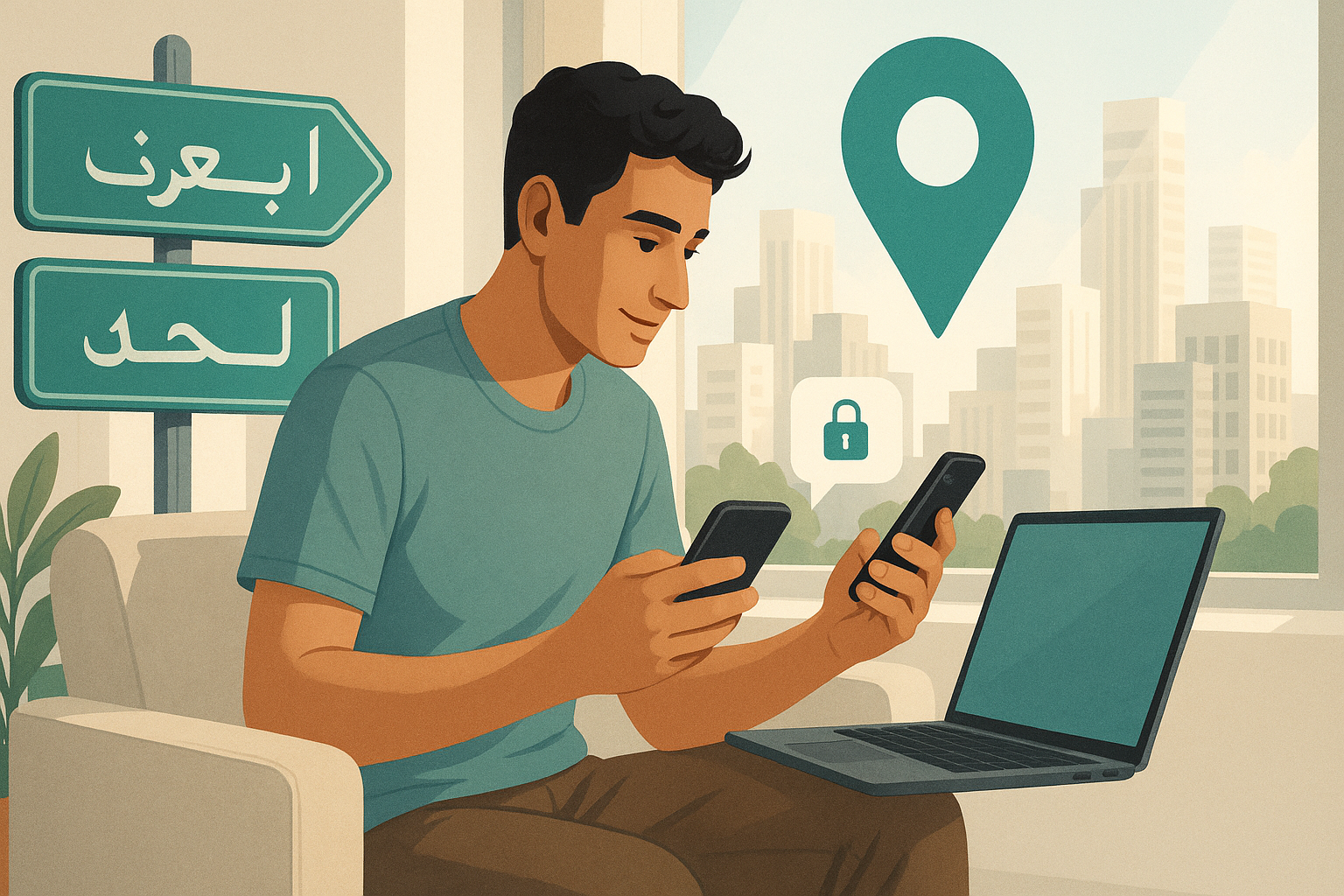
Why privacy-first chat apps are drawing more users
People are looking for messaging tools that keep chats private, avoid phone numbers, and reduce platform tracking without giving up everyday use.
Privacy-first chat apps are gaining attention for a simple reason: they reduce friction around identity and tracking, not just message exposure. People do care about encryption, but they also care about what a service asks for before they can start a conversation. A chat app that keeps the sign-up light and the data trail small feels easier to trust.
That shift matters because messaging has become tied to phone numbers, contact syncing, social graphs and account recovery prompts. Many users now see online privacy as part of everyday convenience, not a niche concern. If an app lets them talk without handing over more personal details than necessary, it feels more respectful from the start.
In practice, private messaging is often chosen for the same reason people prefer a tidy workspace. Fewer prompts, fewer permissions and fewer data-sharing assumptions make the whole experience calmer. Products like PigeonChat fit into that broader trend by treating minimal identity exposure as a design choice, not an afterthought.
Why privacy is now a usability feature
For years, online privacy was framed as something you only worry about after a problem. That framing is changing. Users are noticing that a chat app asking for access to contacts, a phone number, a profile photo and a location permission can feel heavier than the conversation itself.
When a service is built around secure communication, the benefit is not only in what the provider cannot read. It is also in what the app does not require from the user to begin with. Less account ceremony means less hesitation, especially for people who want to message colleagues, family members or communities without creating a highly linked profile.
This is why privacy-first products often appeal even to people who are not strongly technical. They are not necessarily making a statement about surveillance. They are trying to avoid unnecessary exposure and keep their communication routine simple.
Reducing identity friction changes the first-minute experience
One of the biggest reasons users bounce from mainstream messaging tools is the sign-up path. If the app insists on a phone number, syncs the address book immediately or pushes multiple profile setup steps, it creates identity friction before any real value has appeared.
By contrast, a private chat app can feel more approachable when it asks for less and explains more. People like to know why a permission is needed, and they appreciate when they can choose what to reveal. A no phone number approach can be especially attractive for temporary use, community groups or anyone separating personal and work communication.
The result is not just better privacy in theory. It is a shorter path to actual use. That matters because if the first experience feels intrusive, many people will never reach the point where they judge the messaging features on their merits.
What users are really avoiding
When people choose privacy-first chat apps, they are often responding to practical annoyances as much as security concerns. They may want to avoid:
- Contact syncing that exposes their social graph
- Phone-number-based identity that links conversations to a personal account
- Pushy permissions that feel unrelated to messaging
- Data trails that are hard to understand or review
- Multiple logins across devices that make simple chat feel bureaucratic
These concerns can exist even when the user is not discussing sensitive topics. A person might simply not want their messaging app to know more than necessary. That is a reasonable preference, especially in a world where many services collect data by default.
When a product lowers that background pressure, it can feel like a relief. The appeal of private messaging is often emotional as well as technical: people feel more in control when the app does not act like a watcher.
Encryption helps, but it is not the whole story
End-to-end encryption is important, but it is only one part of trust. Users rarely evaluate secure communication in a vacuum. They also ask who can find them, what metadata is visible, what gets stored and how much the service needs to know to work properly.
This is where privacy-first design stands out. If a chat app minimises identity collection, limits tracking and makes its default settings conservative, it sends a clearer signal than encryption alone. People understand that protection is strongest when the product reduces unnecessary exposure at several levels.
That is also why discussions about private messaging often move beyond cryptography. Users want a system that is sensible to use every day. If the app is secure but awkward, or private but full of setup friction, some of the benefit is lost.
The shift from social graph to small circles
Modern messaging platforms often assume a wide social graph. They want to connect you to everyone in your address book, suggest contacts, and keep you tied to a single identity. Privacy-first apps usually move in the opposite direction. They make it easier to talk to just the people you intend to reach.
That smaller-circle model appeals to many use cases. It works for a family group, a neighbourhood committee, a project team or a one-off collaboration. In each case, the goal is not to broadcast identity but to communicate efficiently with the right people.
For some users, this feels more honest. The app becomes a tool, not a social map. That distinction may sound subtle, but it changes how comfortable people feel using the service day to day.
Design choices that build trust quickly
People are more likely to trust a privacy-first app when its behaviour is easy to understand. Clear defaults and straightforward explanations matter more than marketing language. A good product does not just claim to protect privacy, it shows restraint in how it asks for data.
Useful design choices often include simple account creation, limited required permissions, readable privacy settings and obvious controls for deleting conversations or accounts. None of these features is glamorous, but together they make the app feel predictable. Predictability is a big part of trust.
That is one reason some newer services, including PigeonChat, emphasise minimal account friction alongside secure communication. Even if someone never signs up, the pattern is worth noting: privacy works best when it is easy to notice in the product itself.
Frequently asked questions
Are privacy-first chat apps only for people with serious security concerns?
No. Many people use them because they want less data collection, fewer permissions and a simpler sign-up process. Privacy is often about comfort and control, not only high-risk situations.
Does a no phone number chat app automatically mean better privacy?
It usually helps, but it is not the whole picture. You still need to consider what the app stores, what permissions it requests and how it handles message delivery, account recovery and metadata.
What should I look for in secure communication beyond encryption?
Look for clear data practices, minimal identity requirements, sensible default settings and permissions that make obvious sense. A trustworthy app should explain what it needs and why, without forcing extra sharing just to start chatting.
Privacy-first chat apps are drawing more users because they make messaging feel lighter, not heavier. They reduce the burden of identity, permissions and tracking, which is often what people notice first. Encryption matters, but the bigger appeal is usually the sense that the app is asking less of you.

Writer & Editor at PigeonChat
Related Articles
What a European chat app should offer now

What an EU chat app needs beyond privacy claims
What a browser-based end to end encryption chat app needs
How PigeonChat.site fits the EU privacy app search
Why browsers are becoming the new private chat home