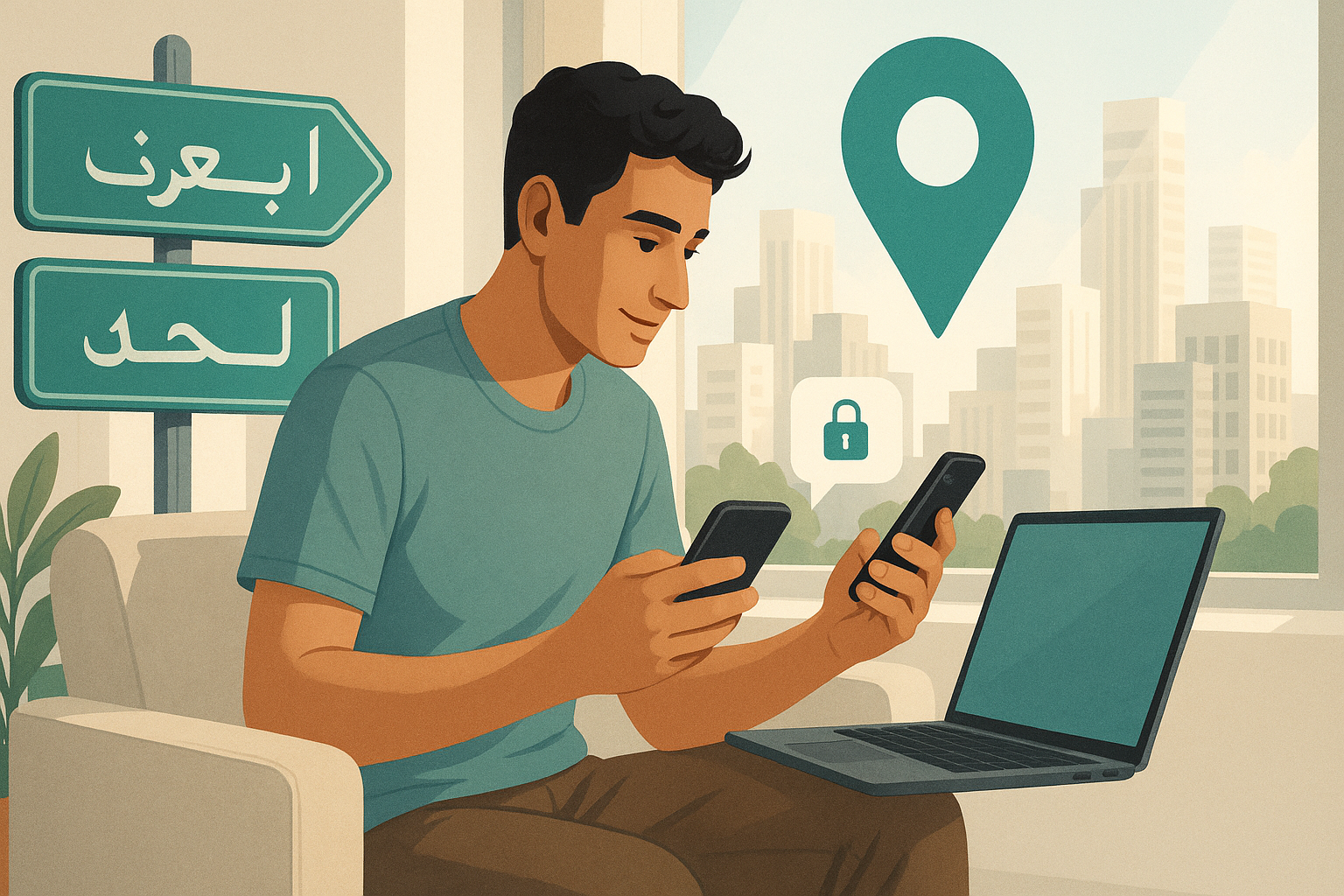
Why people want chat apps without a phone number
People are actively looking for messaging apps that let them sign up without a phone number. This article explains why that matters and who benefits.
For many people, the appeal of chat apps without a phone number is simple: they want a private way to talk that does not begin with handing over a personal identifier. A phone number feels ordinary, but it is also a durable link to a person, a SIM, a billing relationship, and often a wider digital profile. Once a messaging service asks for it, the conversation is no longer just about chatting. It is also about identity, access, and how much of yourself you are willing to reveal to a service before you have even seen it work.
This is why phone-number-free sign-up is not a niche preference. It matters to people who value privacy, but also to anyone who wants a lower-friction, less exposed way to communicate. That includes people setting up a second account, people who cannot or do not want to share a number, and people who simply want browser based private messaging without tying it to a mobile contract. The design choice says a lot about who the app is for, and how much control it gives back.
There is no single reason people look for no phone number messaging apps. The motivations vary, but they tend to cluster around a few practical concerns: privacy, accessibility, resilience, and convenience. Understanding those concerns helps explain why this feature has become a core expectation for some users, not an edge case.
Privacy starts before the first message
When a messaging app asks for a phone number, it creates an immediate privacy trade-off. Even if the app promises encryption, the signup process itself can still reveal something useful about you. A number can be enough to connect accounts, contacts, and sometimes other forms of online presence. For people who are cautious about being tracked, that matters.
Some users also want separation. They may not want a work chat app linked to a personal SIM, or a community discussion space linked to the number they use with friends and family. A private signup flow can reduce that overlap. It does not make someone invisible, but it does reduce how many things are automatically tied together from the outset.
For many people, that is the key point. Privacy is not only about message content. It is also about limiting the amount of identifying information handed over at the door.
Not everyone can or wants to use a phone number
There are plenty of legitimate reasons someone may not want to use a phone number at all. Some people use a landline or no mobile service. Some travel often and do not want to swap SIMs. Others are in situations where sharing a number is unwise or simply inconvenient. A messaging service that assumes everyone has a personal number can accidentally exclude those users.
There is also the issue of control. A phone number is often treated as a stable identity, but in practice it can be reused, reassigned, or lost. That can create problems for account recovery and continuity. If access to a chat account depends on a number you no longer control, you may be locked out of your own conversations.
Browser based private messaging can help here. If an app works in the browser and does not require a phone number, it can be easier to try, easier to access from different devices, and less dependent on mobile infrastructure. That is not just convenient. For some users, it is the difference between being able to participate and being left out.
The hidden cost of using your number everywhere
Phone numbers often feel harmless because they are familiar. But the more services that collect the same number, the easier it becomes to stitch together a broader picture of a person. That is one reason many people now prefer to keep their number as private as possible and avoid sharing it unless necessary.
Messaging apps can make that choice difficult by treating phone verification as standard. The result is often a small but steady pressure to use one identifier everywhere. That may be acceptable for some users, but for others it is exactly the kind of centralisation they want to avoid.
If you are comparing messaging apps, it can help to ask a few simple questions:
- Can I sign up without giving a phone number?
- Can I use the service in a browser as well as on mobile?
- Does the app force contact syncing, or can I opt out?
- What account recovery options exist if I lose access?
- Can I keep different parts of my life separate?
Access and usability matter as much as ideology
It is easy to frame no phone number messaging as a privacy purist preference, but the reality is broader. Many people just want a smoother onboarding process. If you are helping a group coordinate quickly, or trying a service for the first time, asking for a number can feel like unnecessary friction.
That friction can be especially noticeable in international contexts. Not everyone uses the same telecom setup, and not every user wants to expose their personal number to a service based elsewhere. A browser first approach can reduce those barriers by making the app feel lighter and more accessible from the start.
This is also why products such as PigeonChat are often discussed alongside privacy. People do not just want a secure system. They want a system that is straightforward to use, easy to understand, and respectful of boundaries. The best messaging design often does both at once.
What to look for in a private chat app
If you are evaluating messaging apps, it helps to look beyond the signup screen. A no phone number policy is a good sign, but it is only one part of the picture. The overall design should make it easy to stay private without becoming hard to use.
Useful features often include clear account creation, minimal data collection, and the ability to control how much of your information is shared with others. Good privacy design should feel intentional rather than hidden in settings menus.
As a practical checklist, look for:
- No phone number required to create an account
- Web access for browser based private messaging
- Clear controls over contacts and discoverability
- Simple explanations of what data is stored
- Account recovery that does not depend on exposing extra personal data
- Settings that are understandable without a long manual
If those basics are in place, the app is more likely to respect users who value privacy, rather than merely marketing to them.
Why this preference keeps growing
The demand for no phone number messaging apps has grown because people have become more aware of how identity data is used. Many users have learned, sometimes the hard way, that a service can be convenient and still be too revealing. Once you see how many systems depend on your number, it becomes easier to understand why people want alternatives.
There is also a cultural shift underway. More users are comfortable with the idea that they should choose how they are identified online, rather than accept one default identity for every platform. That does not mean everyone wants complete anonymity. It means they want choice, and the ability to decide which services deserve a stronger connection to their real-world details.
In that sense, phone-number-free sign-up is not a special feature for a small group. It is a practical response to a broad and growing expectation: that messaging should be useful without demanding more personal information than necessary.
Frequently asked questions
Is a chat app without a phone number automatically more private?
Not automatically, but it is often a better starting point. Avoiding phone-number sign-up reduces one obvious link between your account and your real-world identity. You should still look at the app’s data handling, recovery options, and contact-sharing settings before deciding how private it really is.
Why do so many messaging apps still require a phone number?
Phone numbers are convenient for account verification, contact discovery, and reducing spam. They are also familiar to users. The downside is that they can increase friction for people who want separation, privacy, or access without a mobile number.
Can I use browser based private messaging instead of a mobile app?
Often, yes. Many services now offer browser access, which can be useful if you do not want to install an app or you prefer to keep chat separate from your phone. Just make sure the browser version offers the same privacy controls and account protections you need.
In the end, people want chat apps without a phone number because they want more control over how they connect. That desire is about privacy, yes, but also about access, flexibility, and keeping everyday communication from becoming more revealing than it needs to be. If you are exploring alternatives, a service like PigeonChat is worth understanding for what it represents: a simple idea that can make private communication feel more natural, less exposed, and easier to use.

Writer & Editor at PigeonChat
Related Articles
What a European chat app should offer now

What an EU chat app needs beyond privacy claims
What a browser-based end to end encryption chat app needs
How PigeonChat.site fits the EU privacy app search
Why browsers are becoming the new private chat home