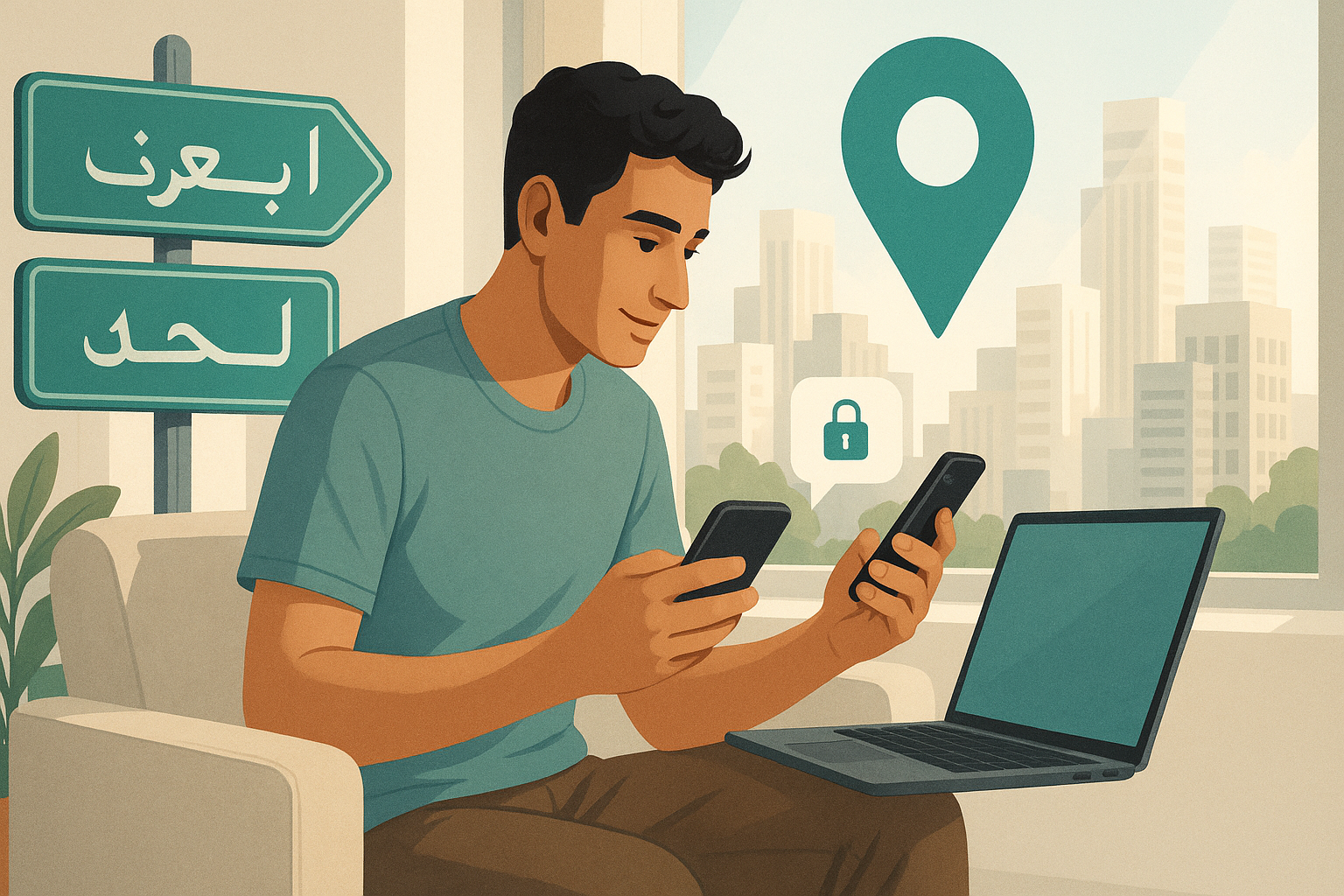
Why no phone number login changes messaging
Skipping phone number signup can make chat feel more private, flexible, and easier to share with groups. Here is why that matters.
Most messaging apps still ask for a phone number at the door. It feels normal because we have seen it so often, but it changes the whole shape of the experience. A phone number is not just a login detail. It is a social identifier, a contact book entry, and often a proxy for identity in the real world.
When a service does not require a phone number, it makes a different promise. It says that you can explore, join, and share without handing over one of the most reusable pieces of personal data you own. That shift affects trust, onboarding, group dynamics, and even how willing people are to try the app in the first place. PigeonChat was built around that idea, and the reasons are more practical than they may first appear.
For readers who are not looking for a new app, the design lesson still matters. Login decisions quietly shape behaviour. They can make a service feel social and open, or cautious and closed. They can also decide whether people feel safe enough to bring friends into a conversation.
Why a phone number changes the first impression
A phone number login is convenient on paper because it is familiar and easy to verify. In practice, it creates an immediate sense that the service is tied to your real-world identity. For some people that is acceptable, even desirable. For others it is enough to stop them from signing up at all.
The difference is not only privacy in the abstract. It is also about context. Many people are happy to use a messaging tool for hobby groups, temporary projects, or community chats without wanting to expose a personal number. If the first step is a phone prompt, some will simply leave. That means fewer curious visitors become active users, and fewer people get to experience the product on its own merits.
Removing the phone number requirement lowers the temperature of the first interaction. It lets someone think, "I can try this without being fully committed." That matters, especially for products like PigeonChat where the value starts with sharing, not with identity verification.
Trust is built by reducing unnecessary data collection
People are increasingly alert to how much data a service asks for up front. A phone number can feel like a small request, but it is highly personal and difficult to replace if exposed. Asking for less can therefore signal respect, even before a user has read a single policy page.
This is one reason no phone number login can strengthen trust. It suggests that the service is designed around the interaction itself rather than around harvesting contact data. That does not make a product magical or automatically safe, but it does make the boundaries clearer. Users can separate their messaging life from their mobile identity more easily.
Trust also grows when the product behaves consistently with its promise. If an app says it is private, then making the sign-up flow lean and non-invasive helps support that claim. At PigeonChat, that approach is part of the broader idea that messaging should feel simple and low-friction without demanding more information than it needs.
Onboarding becomes easier when identity is not the main event
Good onboarding should help people reach value quickly. If the login process feels like a small registration form for a telecom account, the product has already become harder to understand. A no phone number flow can make the first minutes feel lighter and more immediate.
That is especially useful for apps centred on private sharing. People do not always arrive wanting a permanent social identity. They may want to join a family thread, a project group, or a short-lived discussion. If they can start with a simple account rather than a personal number, they can focus on the conversation rather than the credential.
- It reduces the amount of personal data needed to begin
- It avoids tying the account to a SIM card or device-specific number
- It makes it easier for people to separate work, community, and personal use
- It lowers the chance that a new user feels exposed before they understand the product
None of this removes the need for clear security practices. It simply means the service asks for identity only when there is a real reason. For many messaging products, that is a better default than assuming every user wants to be reachable through a phone number.
Sharing works differently when accounts are not phone-first
Messaging is not just about sending messages. It is about who feels comfortable inviting whom. A phone-number-based app often inherits the social logic of contact lists. That can be useful, but it can also narrow sharing to people already in your phonebook.
When accounts are not anchored to phone numbers, sharing becomes more flexible. You can invite someone because they belong in the group, not because you already have their personal number. This is a subtle but important shift. It supports communities, clubs, mutual aid groups, hobbies, classrooms, and project teams where membership is based on shared interest rather than on mutual contact history.
It also changes the tone of the invite. A user can share access without revealing their own private number or relying on the recipient to do the same. That can make people more willing to bring others into a space. In products like PigeonChat, that freedom is part of what makes small group messaging feel lighter and more human.
Groups benefit from clearer boundaries
Groups are often where privacy concerns become most visible. A large chat can mix friends, colleagues, acquaintances, and people you would rather not hand your personal details to. If the login system already revolves around phone numbers, the boundary between the group and your broader identity gets blurrier.
A no phone number login creates more room for context. It lets the group define the relationship, rather than the login method doing it for you. That can be helpful in private spaces where people want to participate without linking every interaction back to a public or semi-public contact identity.
It also makes moderation and social norms easier to manage in some settings. If everyone is using the app because they were invited to a specific group, the emphasis stays on behaviour inside that group. The account becomes a tool for participation, not a substitute for a personal phone identity.
What people gain by not using a phone number
There is no single reason everyone prefers a phone-free login. Some people simply want convenience, while others care most about privacy or compartmentalisation. The point is that removing the phone number option opens the door to more kinds of use.
In practical terms, users gain a little more control over how they present themselves and where their messaging life sits. That matters in shared devices, team environments, and situations where people want a private channel that does not automatically connect to their everyday contact list.
The main advantages are straightforward:
- More privacy at sign-up
- Less friction for trying the product
- Better separation between personal identity and app identity
- Greater comfort when inviting others into private groups
- Less dependence on contact book logic
For product teams, this is why login design deserves real attention. It is not a backend detail. It is part of the social contract. PigeonChat takes that seriously because messaging should feel easy to enter, easy to share, and not more revealing than it needs to be.
Frequently asked questions
Is no phone number login always more private?
Not automatically, but it usually reduces one major data point that can be linked to a real-world identity. True privacy depends on the whole product, including how messages are stored, shared, and protected. A phone-free login is a good start, not the whole answer.
Does removing phone login make sharing harder?
Not necessarily. It often makes sharing easier because people can invite others without exposing their own numbers or relying on a contact list. That can be especially useful in groups, communities, and temporary projects where the relationship is based on participation rather than personal contact.
Why would a messaging app avoid phone numbers if they are convenient?
Because convenience is only one part of the experience. A good app also needs to feel trustworthy, low-friction, and suitable for the way people actually communicate. Avoiding phone numbers can reduce sign-up barriers and make private sharing feel less intrusive.
In the end, login design is never just about logging in. It shapes who feels welcome, what people are willing to share, and how a service fits into the boundaries of everyday life. That is why no phone number login is more than a preference. It is a statement about privacy, trust, and the kind of messaging culture a product wants to support. If that approach suits you, PigeonChat shows how simple it can feel when the first step is not asking for your phone.
Ready to try PigeonChat?

Writer & Editor at PigeonChat
Related Articles
What a European chat app should offer now

What an EU chat app needs beyond privacy claims
What a browser-based end to end encryption chat app needs
How PigeonChat.site fits the EU privacy app search
Why browsers are becoming the new private chat home