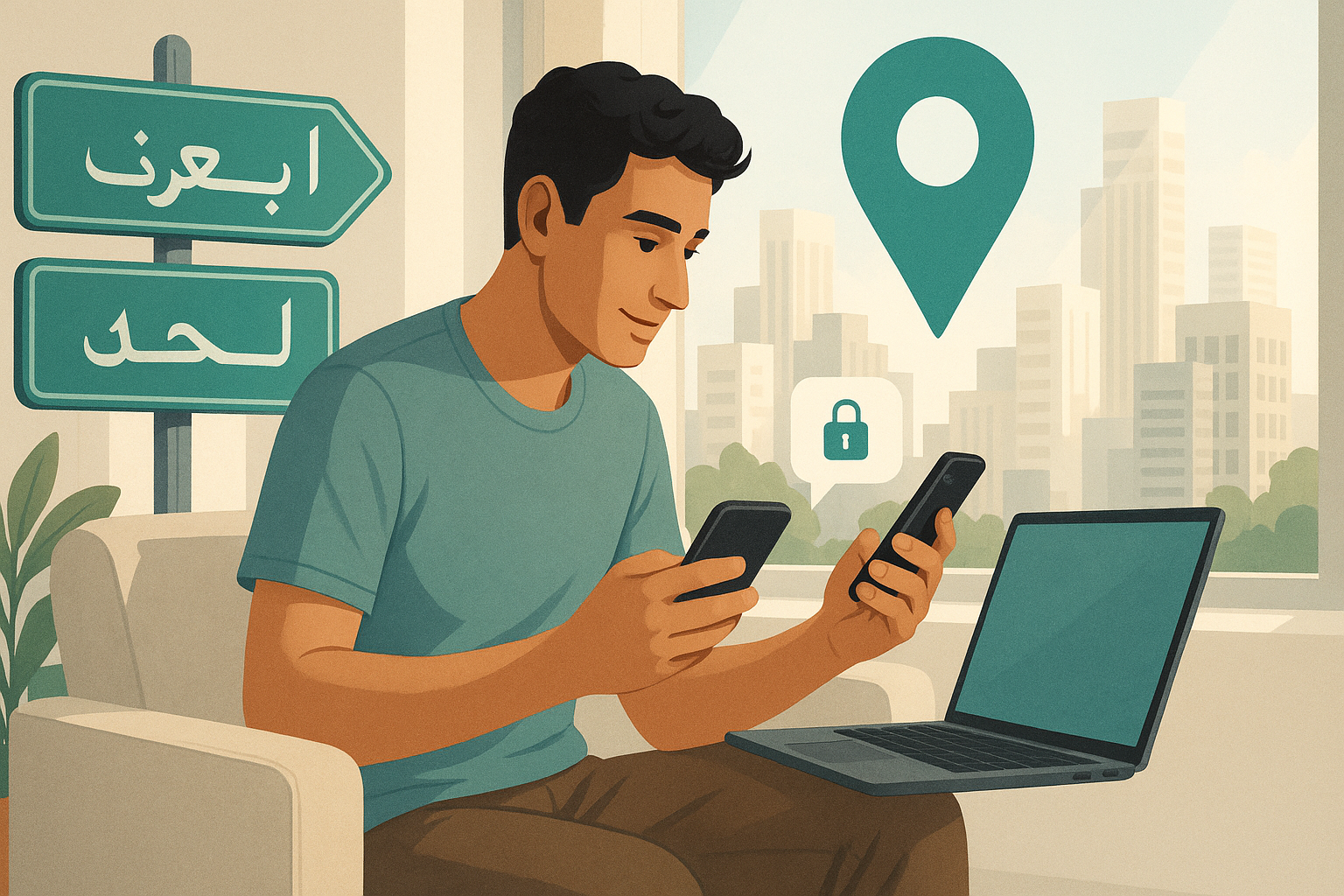
What no phone number login changes for messaging
Explore why people want messaging without a phone number, how sign-in changes privacy and access, and who benefits most from that setup.
Logging into a messaging app without a phone number changes the first step of the whole experience. Instead of asking for a piece of personal data that is closely tied to your identity, the service can let you start with a username, email address, passkey, or even a temporary link. That sounds small, but it affects both how quickly people can begin and how much they have to reveal just to send a message.
For many people, a phone number has become the default account key on modern messaging tools. It is familiar, but it is also a strong identifier. When a service does not require one, it can feel more private by design, and it can also be easier to try out in low-stakes situations. This is especially relevant for browser chat without install, where the goal is often to get in, talk, and leave without setting up a full profile.
That shift matters whether you are choosing a product for yourself, setting up a team workspace, or just thinking more carefully about personal data. At PigeonChat, we see the same pattern repeatedly: reducing one small barrier often makes the entire service feel more approachable.
Less friction at the point of entry
The quickest benefit of no phone number login is simple: fewer steps. Not everyone wants to type in a mobile number, wait for a text, and hand over a detail that many services use for account recovery, contact discovery, or marketing. If you can begin with an email address, a passkey, or a one-time sign-in link, the process can feel lighter and less invasive.
This is especially helpful when someone is joining from a shared computer, a work device, or a browser on a borrowed laptop. They may not want to install an app or expose a personal number just to ask one question or share a quick update. A browser chat without install can remove that early hesitation and get people to the conversation faster.
There is also a practical side. If a product asks for less information up front, fewer people are stopped by concerns about privacy, travel, SIM access, or simply not wanting another service tied to their mobile number. In everyday messaging, that difference can be enough to determine whether someone completes sign-up at all.
Why a phone number can be a privacy trade-off
A phone number is useful, but it is not a neutral piece of data. It can link accounts together, make it easier to identify a person across services, and create an extra recovery path that depends on a device and carrier. If a messaging tool does not need that number, it removes one more personal detail from the account record.
That does not mean a no phone number login service is automatically private in every other respect. A platform can still collect message metadata, device information, IP addresses, or usage logs. Privacy is broader than login design. Still, reducing the amount of personal data required at sign-up is a sensible first step, because it narrows exposure before the conversation even begins.
For people who separate their identities carefully, this can be particularly valuable. Think of journalists, freelancers, volunteers, support teams, or anyone who does not want their main mobile number associated with every community or workspace they join. Less data at the door often means fewer uncomfortable questions later.
Better fit for casual, temporary, or mixed-use messaging
Not every conversation is a long-term commitment. Sometimes you need a private channel for a project, an event, a study group, or a one-off support request. In those cases, a phone number can feel like overkill. A messaging service that works with lightweight sign-in can better match the real-life use case.
This is one reason browser-based messaging has become appealing. It lowers the commitment needed to start. You open a link, verify access, and begin. If the service is designed well, you do not have to download anything or hand over a number that will outlive the chat itself.
Services such as PigeonChat are useful to think about here because they show how messaging can be made more accessible without turning sign-up into a data collection exercise. Even if you never use a platform like that, the design principle is worth noting: the less personal information a chat tool demands, the easier it is to use for situations that are meant to be temporary or low-friction.
What changes for teams and communities
For team use, removing phone number login can simplify onboarding. New members can join with the credentials they already use for work, or with a link created for the group. That can help when you are bringing in contractors, volunteers, or guests who should not need to share a mobile number just to participate.
It can also reduce the awkwardness of mixing personal and professional contact details. Many people prefer not to give out their private number to every project group. When a chat app supports messaging without that requirement, it makes boundaries easier to maintain.
That said, organisations still need a clear policy for access. No phone number login is not a substitute for good account management. You still need to think about who can join, how access is revoked, what happens when someone leaves, and which conversations should be archived. The login method is only one part of the security model.
What to look for in a private messaging service
If you are evaluating a service that does not require a phone number, it helps to look beyond the sign-up screen. A good product should be clear about what it stores, how it encrypts content, and which details are visible to other users. If the platform is private by design, it should explain that in plain language.
- Look for account options that do not require a mobile number.
- Check whether the service works in a browser without installation.
- Read what data is used for recovery, notifications, and contact discovery.
- See whether you can use a pseudonym or separate work identity.
- Confirm how long message history and metadata are retained.
You should also think about how the service handles abuse, spam, and account recovery. Removing phone verification can make sign-up easier, but it can also change how a platform prevents misuse. Good systems balance openness with safeguards such as invite links, rate limits, moderation tools, or passkeys.
The best tools make those trade-offs visible. If a provider hides the details, assume there is still some cost somewhere, even if it is not your mobile number.
Frequently asked questions
Does no phone number login mean the app is anonymous?
Not automatically. It usually means the service does not need your phone number at sign-up, which is a privacy improvement, but it may still see other data such as your IP address, device information, or account activity. Anonymous and private are not the same thing.
Is browser chat without install less secure than an app?
Not necessarily. Security depends on how the service is built, not just whether it runs in a browser. A well-designed browser chat can be secure, while a poorly designed app can still leak data. The important questions are about authentication, encryption, session handling, and data retention.
Why do so many services still ask for a phone number?
Phone numbers are convenient for verification, recovery, and account linking. They can also help platforms reduce spam and simplify onboarding. The downside is that they increase personal data exposure. Services that avoid them are making a different design choice, usually one that favours privacy and lower friction.
In the end, what no phone number login changes for messaging is not just the sign-up form. It changes the relationship between identity, access, and privacy. It can make a service easier to try, easier to separate from your personal life, and less dependent on a sensitive identifier. If that sounds useful, you do not need to change everything at once. Start by looking for tools that ask for less and explain more, and judge them by how respectfully they handle the details you do share. For a simple example of that approach, PigeonChat is worth a look.
Ready to try PigeonChat?

Writer & Editor at PigeonChat
Related Articles
What a European chat app should offer now

What an EU chat app needs beyond privacy claims
What a browser-based end to end encryption chat app needs
How PigeonChat.site fits the EU privacy app search
Why browsers are becoming the new private chat home