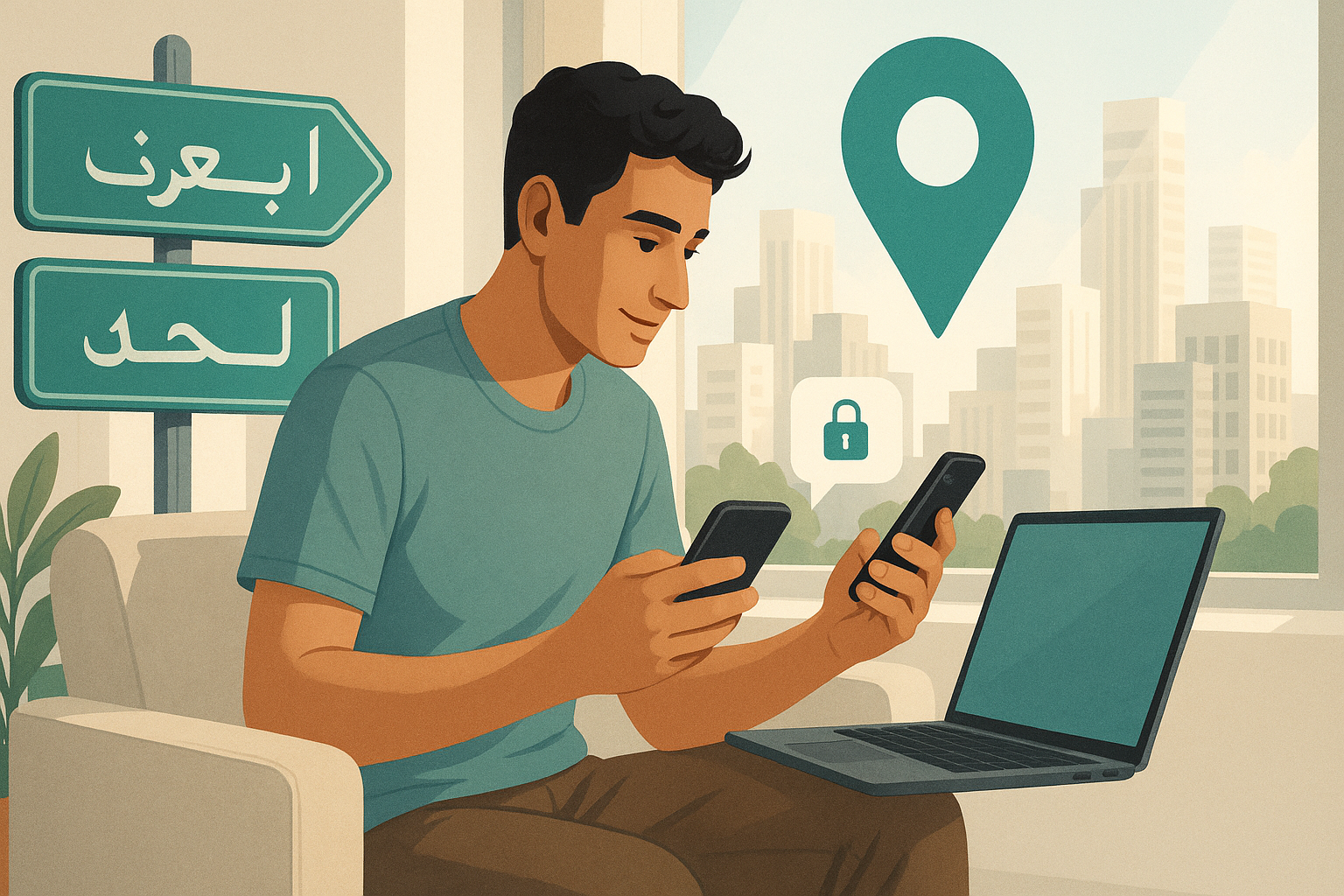
What no phone number login changes in messaging
Understand why users ask for chat apps without a phone number and how that changes privacy, onboarding, and account control in private messaging.
Signing up for a messaging app without a phone number sounds like a small product choice, but it changes quite a lot. It alters how quickly someone can get started, what data they have to hand over, and how much control they keep over their identity. For many people, that is the difference between trying an app once and actually using it.
Phone-number-based accounts became normal because they were convenient for SMS verification and contact discovery. But convenience has a cost. A number is often tied to a real person, a device contract, and a social graph that can be difficult to separate from the account itself. A no phone number login can reduce that coupling and make messaging feel more private from the start.
This is not only about avoiding spam or keeping a profile tidy. It affects how trust is established, how easily people can switch services, and whether the app feels like a communications tool or a directory with chat attached. If you are comparing options such as WhatsApp, Signal or Telegram, the signup step is often where those differences begin to show.
Why a phone number has become a problem
A phone number is useful, but it is also a persistent identifier. People change devices, but they do not always change numbers. That means a messaging account can remain linked to the same identifier for years, even as someone’s preferences, contacts or personal circumstances change.
For some users, a phone number is simply too revealing. It can expose a real-world identity, make it easier for strangers to find them, or create a trail across services that they would rather keep separate. If you are trying to keep work, family, activism, dating or community chat distinct, being forced to use one number everywhere can feel restrictive.
There is also a practical side. Not everyone wants to hand over a number to test an app, join a group, or speak to a new community. A no phone number login removes that barrier and makes first contact less intrusive.
Privacy starts at onboarding
Privacy is not only about encryption after a message is sent. It also depends on what the service asks for before you can even start. A phone number can be used for account recovery, but it can also become a durable piece of metadata that links the account to a person.
By contrast, an app that allows usernames, invite links, email-based sign-in or device-based registration can give users a little more separation. That does not make the system automatically private, but it does mean the service is collecting less identity information by default. For many people, that is enough to make the app feel safer to try.
This is one reason PigeonChat and similar products often attract people who care about discretion as well as speed. The point is not to make identity disappear. It is to reduce the amount of identity the app needs before you can have a conversation.
Control over identity and reachability
When your messaging account is tied to a phone number, your reachability is partly controlled by telco infrastructure and contact syncing. That can be useful, but it also means the app inherits assumptions from the mobile phone ecosystem. If you lose access to the number, the account can become harder to recover. If you want to separate yourself from your old number, that can be awkward.
With a no phone number login, identity can be designed around the service rather than the SIM card. That opens the door to usernames, aliases, disposable access, or more granular account recovery. It can also make it easier for people to move between devices without feeling as though their whole identity is wrapped up in a single mobile number.
There is a social benefit too. You can share a username with someone new without handing over a number that might later be used for calls, texts or contact syncing outside the app. That gives people a little more control over who can reach them, and how.
Onboarding becomes simpler in everyday life
People often assume that requiring a phone number is the simplest possible signup. In practice, it can be a source of friction. A verification code may not arrive, the number may already be tied to another account, or the user may not want to share a personal number just to look around.
No phone number login can make the first run feel lighter. Someone can create an account, send a test message, and understand the product before making a bigger commitment. That matters for privacy-conscious users, but it also matters for ordinary ones who are simply tired of being asked for too much too soon.
It can also help with edge cases. People using secondary devices, international travellers, or those who do not keep a stable mobile number can all benefit from a sign-in method that is not anchored to one SIM card.
- Less personal data requested at signup
- Lower risk of number-based contact discovery
- Easier testing before committing to a service
- More flexibility when changing devices or numbers
- Cleaner separation between personal identity and app identity
What changes for spam, abuse and trust
One argument for phone numbers is that they can make abuse harder. In some cases that is true, because creating multiple accounts becomes more annoying. But security is never as simple as requiring a number. Bad actors can still find ways in, and ordinary users still pay the price in privacy and convenience.
Services that do not use phone numbers usually need other safeguards: rate limiting, invite controls, moderation tools, reputation systems, or device-based trust checks. Those mechanisms are not perfect, but they can be more aligned with the actual problem. After all, the goal is to reduce abuse, not to collect more personal data than needed.
For users, the result is often a better balance. A private messaging service can still be private without turning every signup into an identity check. The key is whether the app is designed to manage trust in a way that respects the user’s boundaries.
How the major apps differ in practice
People often compare apps by encryption claims alone, but signup design matters just as much for day-to-day privacy. WhatsApp is closely tied to phone numbers, which makes contact discovery straightforward but also highly identity-linked. Signal is strongly privacy-focused, yet it has traditionally depended on a number as well, which is important to understand when deciding what kind of separation you want.
Telegram has more flexibility in how people can find each other, but it still has a complex relationship with phone-number identity, especially if users are not careful with privacy settings. In other words, the real question is not just whether a service is “secure”. It is whether the account model gives you room to decide what others can see.
A no phone number login is not a magic fix. It is one design decision among many. But it is a meaningful one, because it shapes the first relationship between the person and the service.
Frequently asked questions
Is a no phone number login always more private?
Not always, but it usually collects less personal data at signup. Privacy also depends on encryption, metadata handling, contact discovery and account recovery. A service can avoid phone numbers and still make poor privacy choices elsewhere, so it is best to look at the whole design.
Can I still be contacted by people I know without sharing a number?
Yes, if the app supports usernames, invite links, QR codes or similar methods. That lets people connect without exposing a phone number. It can be a more comfortable option for new contacts, communities and professional conversations.
Does removing phone numbers make account recovery harder?
It can, if the service does not offer a good alternative. Some apps use email, recovery codes, trusted devices or other methods instead. The important thing is that recovery should be secure without forcing users to rely on a number they may no longer control.
In the end, avoiding phone-number signup is mainly about giving people a better default. It is about privacy by design, more control over identity, and a smoother way to start using the app. Even if you never sign up for anything new, understanding this trade-off helps you judge messaging services more clearly. And if you do want a simpler, less intrusive way to chat, apps built around that idea are worth paying attention to, including PigeonChat.
Ready to try PigeonChat?

Writer & Editor at PigeonChat
Related Articles
What a European chat app should offer now

What an EU chat app needs beyond privacy claims
What a browser-based end to end encryption chat app needs
How PigeonChat.site fits the EU privacy app search
Why browsers are becoming the new private chat home