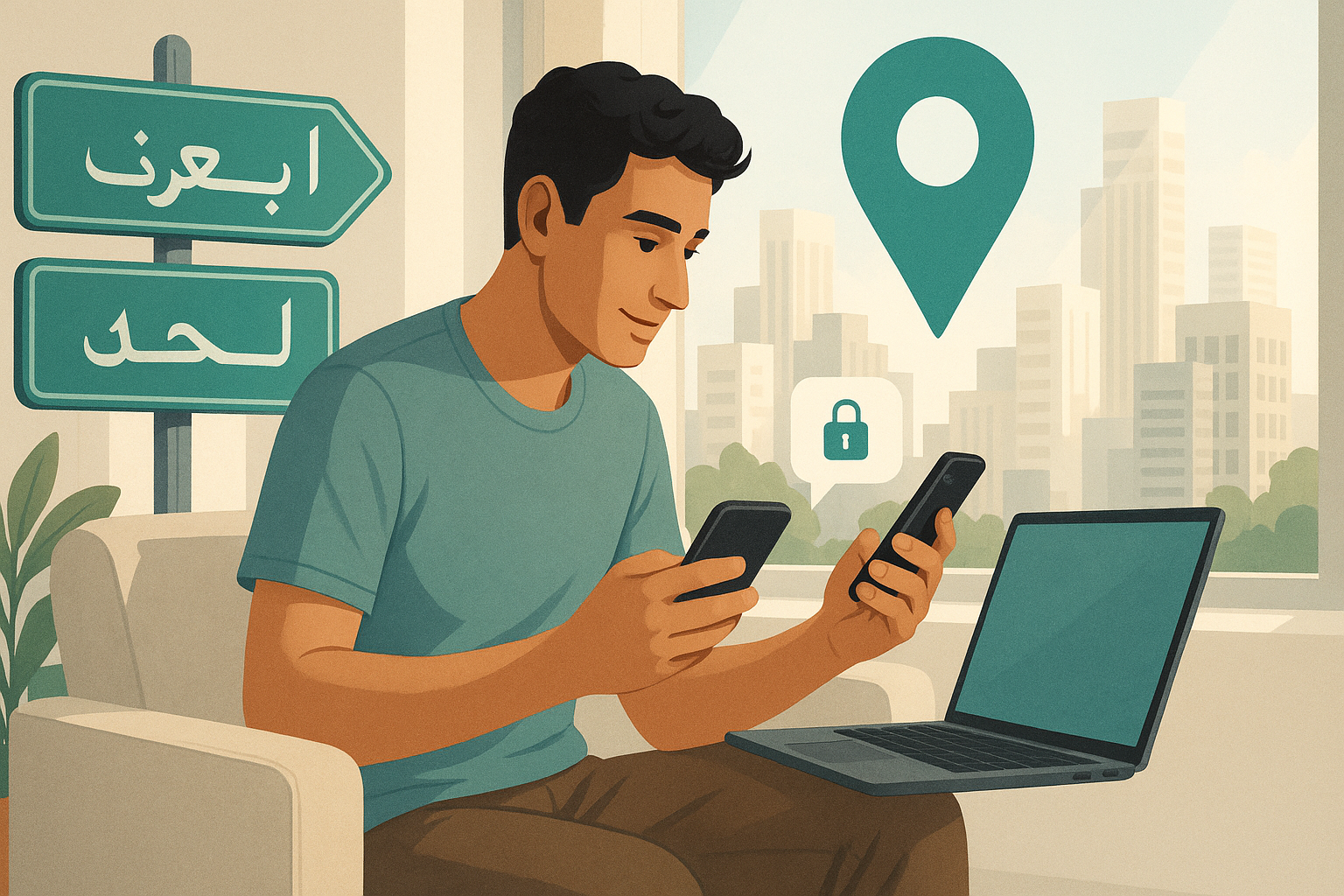

What no phone number login changes for messaging
Many users want to chat without handing over a phone number. This brief explains why that matters for privacy, access, and anonymity.
Choosing a messaging app used to begin with a phone number. That seemed normal for years, but it also meant every account started with a piece of personal data many people would rather not share. If an app lets you sign up without a phone number, it changes the first and most important moment in the relationship: trust.
For privacy-conscious users, that detail matters more than it might first appear. A no phone number login is not just a convenience feature. It can signal that the service is designed to collect less, expose less, and make it easier to communicate without linking your chat identity to your SIM card.
That does not make every phone-number-free app automatically safe, and it does not mean phone numbers are inherently bad. But it does mean the onboarding choice itself tells you something useful about the product. It often reveals whether the company is thinking about privacy as a core design principle rather than an afterthought.
Why phone numbers became the default
Phone numbers were attractive because they solved a real problem: proving that one person is one account. They are familiar, unique enough for many use cases, and easy to verify with a text message. For app builders, that made user registration simpler and reduced some kinds of abuse.
The downside is that a phone number is not a neutral identifier. It is often tied to a device, a contract, a contact list, and sometimes real-world identity. Once messaging depends on it, the number can become a convenient bridge between your private conversations and the rest of your digital life.
That is why a no phone number design stands out. It suggests the app may prefer separate identifiers, usernames, invite links, or device-based authentication instead. Those choices can make the service feel less intrusive from the moment you arrive.
What no phone number login changes for trust
Trust in messaging starts before the first message is sent. When an app asks for less data, it lowers the amount of information users must hand over before they can even test the service. That smaller request can feel more respectful and less risky.
It also changes the implied business model. If an app does not need your phone number to function, it is less likely to rely on contact harvesting or number-based growth mechanics. Users often read that as a sign the company is prioritising the product experience over data collection.
For teams evaluating private messaging apps, this is a useful heuristic. A privacy-forward app should make account creation feel proportionate to the service being offered. If the product only needs a way to reach your inbox, asking for a global personal identifier can feel excessive.
How it affects privacy in practice
Leaving out the phone number can reduce some common privacy concerns, but it does not remove all of them. Messages can still be stored, metadata can still exist, and account recovery can still create new risks. Privacy is a system, not a single switch.
Still, a no phone number approach can help in several practical ways:
- It reduces the chance that your chat account is directly linked to your mobile number.
- It can make it easier to use messaging for work, community groups, or temporary projects without sharing personal contact details.
- It may limit how much of your social graph can be inferred from address book matching.
- It can make account creation feel less exposing, especially in regions where phone numbers are strongly tied to identity.
This is one reason users who look for a private alternative to mainstream messaging often notice phone-number-free signup first. It is a visible sign that the app is not treating your number as the centre of your online identity.
What to look for beyond signup
It is easy to overvalue one good privacy signal. A messaging app can skip phone numbers and still make poor choices elsewhere. The real question is whether the rest of the experience matches the promise of minimal data collection.
When assessing a service, look at how it handles account recovery, contact discovery, encryption, backups, and device linking. These are often where privacy trade-offs hide. An app that is careful at signup but loose with backups may still expose too much.
Useful questions include:
- Can you create an account with only a username or email address?
- Is phone verification optional rather than mandatory?
- Does the app explain what data is used for discovery and recovery?
- Are conversations protected with end-to-end encryption by default, where relevant?
- Can you delete your account and associated data without a maze of extra steps?
These checks matter whether you use Signal, Telegram, or a newer product such as PigeonChat. The strongest trust signal is not one feature alone, but a consistent pattern of restraint.
Why this matters for teams building messaging apps
If you are building a messaging product, removing the phone-number requirement can be a strong statement. It says you believe people should be able to talk without first surrendering a personal identifier that is hard to change and easy to connect to other services.
That decision can also widen your audience. Not everyone wants to share a number, and not everyone can. Some users want a separate identity for communities or support groups. Others want a lightweight account they can discard later. A no phone number flow makes those use cases more natural.
But the design must be coherent. If you remove phone numbers, you need a clear approach to abuse prevention, duplicate accounts, and recovery. Otherwise the privacy gain can be undermined by confusing flows or hidden collection elsewhere.
Where apps often get this wrong
Some apps advertise privacy while quietly preserving the same old dependency on mobile identity. They may require a phone number at signup, sync contacts by default, or make recovery so tied to the original number that users cannot truly separate their identity from it.
Others go the opposite way and remove the number, but then rely on fragile recovery methods that increase lockout risk. Good privacy design should not force people to choose between being identifiable and being permanently excluded from their account.
The better pattern is simple: ask for the minimum needed to create an account, explain the trade-offs clearly, and keep optional features optional. That is the kind of approach many users appreciate when they try services like PigeonChat.
Frequently asked questions
Is a messaging app safer if it does not ask for my phone number?
Often, yes, at least from a privacy standpoint. It reduces the amount of personal information you need to provide up front. But safety depends on the app’s broader design, including encryption, storage practices, recovery options, and how it handles metadata.
Does no phone number login mean I am anonymous?
No. It only means the app is not using your phone number as the account identifier. You may still reveal identity through usernames, profile information, contacts, IP addresses, payment details, or your own messaging habits.
Why do some apps still insist on phone verification?
They may use phone numbers to reduce spam, simplify account recovery, or link accounts to a unique identifier. Those are operational reasons, but they are not always privacy-friendly. A thoughtful app should be able to explain why it needs that data and whether there is an alternative.
In the end, the absence of a phone number requirement is more than a convenience tweak. It is a design choice that tells users something about respect, restraint, and how seriously the company takes privacy. For many people, that alone is enough to make a messaging app feel more trustworthy from the very first screen.
Ready to try PigeonChat?

Writer & Editor at PigeonChat
Related Articles

What a European chat app should offer now

What an EU chat app needs beyond privacy claims
What a browser-based end to end encryption chat app needs

How PigeonChat.site fits the EU privacy app search
Why browsers are becoming the new private chat home