Why people want messaging without a phone number
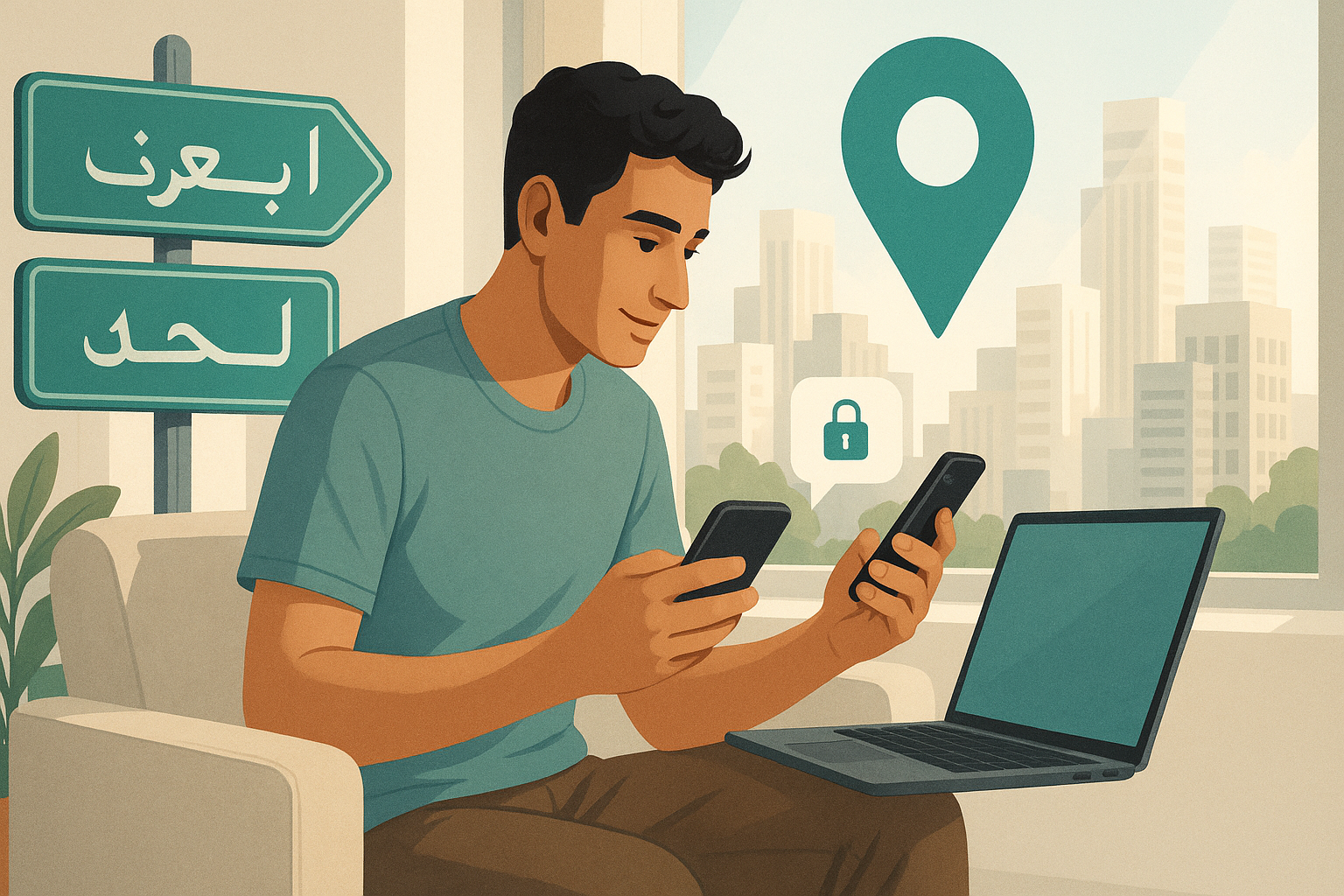
More users want to chat without tying every conversation to a phone number, especially for privacy, separation, and easier account setup.
Phone numbers became the default way to join a chat app, but that does not mean they are the best way. A phone number is both a contact detail and an identity marker, which makes it more revealing than many people realise. If you hand out your number, you are often handing out a path back to you.
That is why messaging without a phone number matters. It gives people more control over how they are reached, what they share, and when they can step back. For private messaging, this is not a niche preference. It is a practical privacy choice that can reduce friction, limit exposure, and make secure communication feel more manageable.
For some people, the issue is simple: they do not want their personal number tied to every group, class, marketplace conversation, or work chat. For others, it is about safety, anonymity, or just keeping different parts of life separate. Tools like PigeonChat fit into that broader shift, but the underlying need exists whether or not you use any one product.
Why a phone number feels like too much
A phone number is persistent. It tends to stay with you for years, it is often linked to billing and account recovery, and it can be used to search for or identify you across services. That makes it convenient for platforms, but not always ideal for users who want more online privacy.
People also share phone numbers more widely than they may intend. Once a number is in someone’s address book, it can be synced, backed up, exported, or accidentally exposed through contact matching. Even if the app itself is secure, the number can become a weak point in the wider chain of communication.
There is also a social dimension. A phone number suggests a certain level of access. It can make a conversation feel more direct than you want, especially when you are dealing with strangers, temporary contacts, or large communities. No phone number messaging helps restore a bit of distance and choice.
Identity control is not the same as hiding
People sometimes assume private messaging without a phone number is about secrecy. Usually, it is really about control. You may still want to be reachable, but on terms that do not expose your main personal number to everyone you meet online.
That distinction matters. In many real situations, you do not need total anonymity. You need a way to separate identities. A separate username, invite link, or handle can let you communicate without collapsing personal, professional, and public contacts into one channel.
This is especially useful if you are managing multiple roles. A freelancer may not want clients to have their private number. A volunteer may want a contact point that can be handed over later. A parent may need to join a school group without opening up their personal mobile identity to the whole chat.
Safer sharing in everyday life
Not every conversation deserves the same level of access. When a messaging app requires a phone number, sharing contact details becomes an all-or-nothing decision. Messaging without a number lets you be more selective about who gets what.
That can reduce exposure in ordinary situations. Meeting someone through a marketplace? Joining a temporary event group? Signing up for a community project? In each case, it is often better to share a chat identity than a personal number that can be reused elsewhere.
It also helps with boundaries. If a contact should be temporary, it can stay temporary. If you want to move a conversation to a different channel later, you can do so without revealing more than necessary.
- Use a separate chat identity for public or semi-public interactions.
- Keep personal, work, and community messaging in different spaces.
- Share contact details only when there is a clear reason to do so.
- Prefer services that let you revoke access or leave groups cleanly.
- Review whether your app is exposing your number to people you do not know well.
What secure communication should look like
Security is not just encryption. It is also about reducing unnecessary data. A secure communication system should not ask for more information than it needs to deliver messages reliably. If a number is not essential, then leaving it out can be a sensible design choice.
That said, no phone number does not automatically mean secure. A service still needs sensible account protection, safe message handling, and clear controls for blocking, reporting, and recovery. Privacy works best when the whole design supports it, not when one data point is removed but everything else stays careless.
For users, the practical question is straightforward: does this tool help me communicate with less exposure? If yes, it may be a better fit for the kind of secure communication you want. If not, the absence of a phone field may be more cosmetic than meaningful.
Who benefits most from number-free messaging
Different people value phone-number-free messaging for different reasons, but the pattern is consistent. The less your communication depends on one permanent identifier, the easier it becomes to manage privacy, context, and risk.
Some common cases include:
- People who want to keep personal and professional contact details separate.
- People who share devices, numbers, or family plans and want more independence.
- People in communities where contact needs to be temporary or role-based.
- People who are cautious about spam, unwanted follow-up, or identity tracking.
- People who simply prefer not to make their mobile number the centre of their digital life.
For some, the benefit is emotional as much as technical. It is easier to say yes to a conversation when you know it will not open the door to broader contact than you intended. That kind of confidence matters, and PigeonChat is one example of a service that reflects that preference.
How to judge a number-free messenger
If you are evaluating a private messaging app, start by looking beyond the sign-up screen. Ask what the app knows about you, what others can see, and what happens if you change devices or leave a conversation. The absence of a phone number is useful, but it is only one part of the picture.
A good checklist is often more helpful than marketing claims. Look for clear identity options, meaningful privacy settings, and sensible defaults around discoverability. Also check whether the app makes it easy to control who can contact you and how much profile information is visible.
In practice, the best choice is usually the one that lets you share less without making communication awkward. That balance is important. People do not want privacy tools that are hard to use, and they do not want convenience that quietly costs them control.
Frequently asked questions
Is messaging without a phone number more private?
Usually, yes, because it removes one of the most persistent identifiers from the process. A phone number can connect your chat account to broader contact data, so leaving it out often improves online privacy. But the overall privacy of an app still depends on its design, settings, and data handling.
Does no phone number mean I am anonymous?
Not necessarily. You may still be identifiable through your username, behaviour, profile details, or the people you communicate with. No phone number messaging is best thought of as identity control, not complete anonymity.
Why would a service ask for a phone number in the first place?
Services often use phone numbers for account verification, contact matching, spam reduction, and recovery. Those are convenient for the platform, but they are not always necessary for users. Many people prefer apps that minimise data collection and let them communicate without exposing a personal number.
In the end, people want messaging without a phone number because it gives them room to choose. It makes contact sharing more intentional, helps separate parts of life that should stay separate, and supports a more thoughtful approach to private messaging. If online privacy matters to you, that extra control is not a luxury. It is part of what secure communication should feel like.

Writer & Editor at PigeonChat
Related Articles
What a European chat app should offer now

What an EU chat app needs beyond privacy claims
What a browser-based end to end encryption chat app needs
How PigeonChat.site fits the EU privacy app search
Why browsers are becoming the new private chat home