Why people want messaging without a phone number
Phone-number signup keeps coming up as a barrier. This piece explains why users want private chats that work with an email or username instead.
For years, phone numbers have been treated as the default identity layer for messaging. They are familiar, convenient, and tied to devices most people already carry. But familiarity is not the same as appropriateness. A phone number reveals more than many people want a chat app to know, and it can make private messaging feel more exposed than it needs to be.
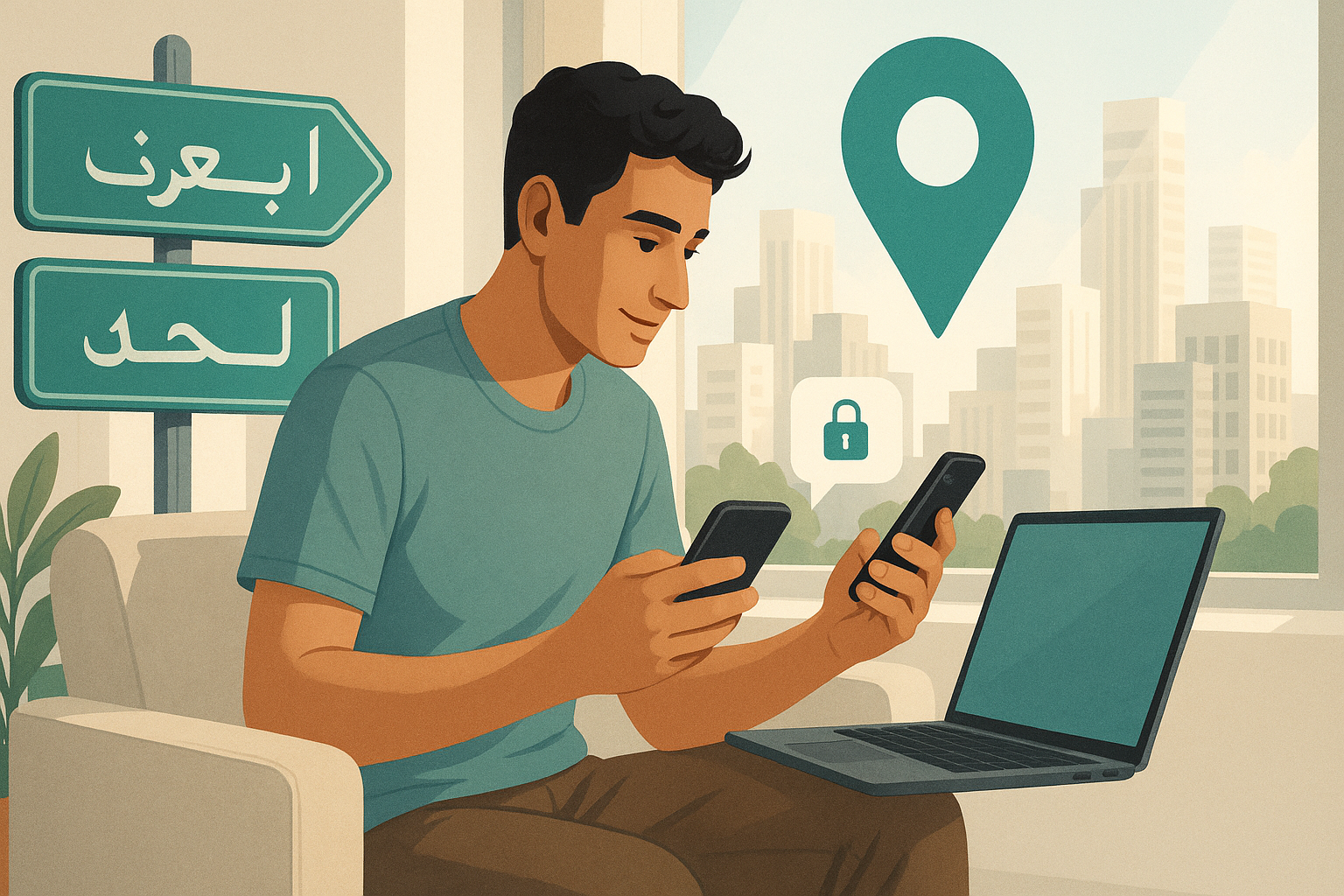
Wanting messaging without a phone number is not a niche request or a technical hobby horse. It is a practical privacy preference. Some people want to separate their social identity from their contact methods. Others simply do not want to hand over a number that can be linked to their real-world life, reused across services, or exposed through contact syncing.
That concern is increasingly common because people now expect secure communication to be more flexible. They want to choose what information is required, what is shared, and who can use it to find them. A phone number may be convenient, but convenience should not be the price of basic privacy.
Why phone numbers feel like too much identity
A phone number is rarely just a routing detail. In practice, it often acts like a durable identifier that can follow you across services, devices, and years. If your messaging account is built around that number, then anyone who learns it may have a direct line to your chat presence.
That creates a few problems. First, phone numbers are often shared more widely than people realise. Second, they can be tied to SIM swaps, carrier records, and recovery systems that sit outside your control. Third, they make it easier for acquaintances, businesses, or strangers to connect your messaging account to your offline identity.
For many users, that is not a theoretical worry. It is simply a poor fit for how they want to communicate. Private messaging should not require a piece of identity that was originally designed for telephony, not for online privacy.
What people actually want instead
When people ask for messaging without a phone number, they are usually asking for choice, not secrecy for its own sake. They may want to message from a username, an invite link, or an account credential that is separate from their personal number. In other words, they want secure communication without over-sharing.
There are a few common reasons for this:
- They want to keep work, personal, and community identities separate.
- They do not have a mobile number they want to expose.
- They want to reduce the chance of contact harvesting through address books.
- They prefer not to depend on a carrier-linked recovery method.
- They are trying to limit how easily their messaging account can be searched or traced.
These are ordinary, sensible reasons. They do not require an advanced threat model. They simply reflect the reality that many people are more comfortable sharing a conversation handle than a phone number.
Privacy benefits that are easy to understand
Removing the phone number from the sign-up process can improve privacy in several straightforward ways. It lowers the amount of personal data a service needs from the start. It also reduces the chance that your messaging identity can be guessed from information that is already broadly known by friends, colleagues, or data brokers.
It can also make social discovery less intrusive. If an app relies on address book matching, then users can be exposed to contacts they never intended to connect with through that channel. Without a phone number, messaging can be more deliberate. People share an identifier when they choose to, rather than because a contact list was uploaded in the background.
This does not magically make a system private by itself. A messaging app still needs good encryption, sensible metadata handling, and clear policies. But it does remove one of the most obvious identity leaks. For many people, that is already a meaningful improvement.
Security is not the same as phone-number dependency
Some assume that if a messenger does not use a phone number, it must be less secure. That is not a fair assumption. Security comes from design choices such as strong authentication, end-to-end encryption where appropriate, careful key management, and resistance to account takeover. A phone number is not a security feature in itself.
In fact, relying on phone numbers can create its own security weaknesses. Number recycling, SIM swap attacks, and reliance on telecom recovery flows are all known pain points in the broader ecosystem. None of these are reasons to panic, but they are good reasons to question whether a phone number should be the foundation of an account.
People often want both things at once: private messaging and practical security. That is reasonable. A service can be built around usernames, invite-based discovery, or other identity models without becoming less trustworthy. The real question is whether the app is engineered carefully, not whether it asks for a mobile number.
Who benefits from phone-number-free messaging
This preference matters to more people than you might expect. It helps anyone who needs to manage multiple identities, including freelancers, volunteers, public-facing professionals, and people in community groups. It also matters to those who want a cleaner separation between personal communication and the rest of their digital life.
It can be especially useful for people in sensitive situations. Journalists, activists, carers, support workers, and people in shared households may all have good reasons to avoid linking a chat account to a phone number. Even if they are not under unusual risk, they may simply want to reduce unnecessary exposure.
And there is a broader point here: privacy features should not only serve edge cases. If a more private option is easier for everyone to use, then more people can benefit from it without needing to explain their reasons.
How to judge a messenger beyond the sign-up form
If you are comparing apps, the sign-up method is only one part of the picture. A messaging app can avoid phone numbers and still collect too much metadata, keep weak defaults, or make account recovery awkward. Likewise, a phone-number-based app may still do some things well. The challenge is to look at the whole design.
Useful questions to ask include:
- What information is required to create an account?
- Can people find you by username or invite instead of address book access?
- Does the service explain what metadata it stores?
- Are chats protected with strong encryption where expected?
- Can you control visibility, discovery, and recovery settings?
- Does the app make privacy the default, not an advanced option?
This is the kind of practical evaluation that matters more than marketing language. If you are exploring alternatives, services such as PigeonChat are worth considering simply because they treat identity choices as part of the product, not as an afterthought.
Frequently asked questions
Is messaging without a phone number always more private?
Not automatically. It reduces one major identity link, which is helpful, but real privacy also depends on encryption, metadata handling, discoverability settings, and how the service manages recovery and backups. A phone-number-free app can still be poorly designed, so it is only one part of the picture.
Why do so many apps still require phone numbers?
Phone numbers are convenient for onboarding, contact discovery, and account recovery. They also make growth easier because many services can use your address book to recommend contacts. That convenience is attractive to product teams, but it is not always aligned with user privacy.
What is the simplest way to improve private messaging today?
Start by choosing apps that minimise the personal data they require, then review discovery and sync settings carefully. Avoid uploading your contacts unless you genuinely want that feature, and use unique credentials where possible. Small choices like these can reduce unnecessary exposure without making communication difficult.
The push for messaging without a phone number is not about rejecting convenience for ideology. It is about recognising that identity, contact methods, and privacy are not the same thing. People want secure communication that fits real life, and real life often involves separate roles, different levels of trust, and a healthy reluctance to hand over more data than necessary.

Writer & Editor at PigeonChat
Related Articles
What a European chat app should offer now

What an EU chat app needs beyond privacy claims
What a browser-based end to end encryption chat app needs
How PigeonChat.site fits the EU privacy app search
Why browsers are becoming the new private chat home