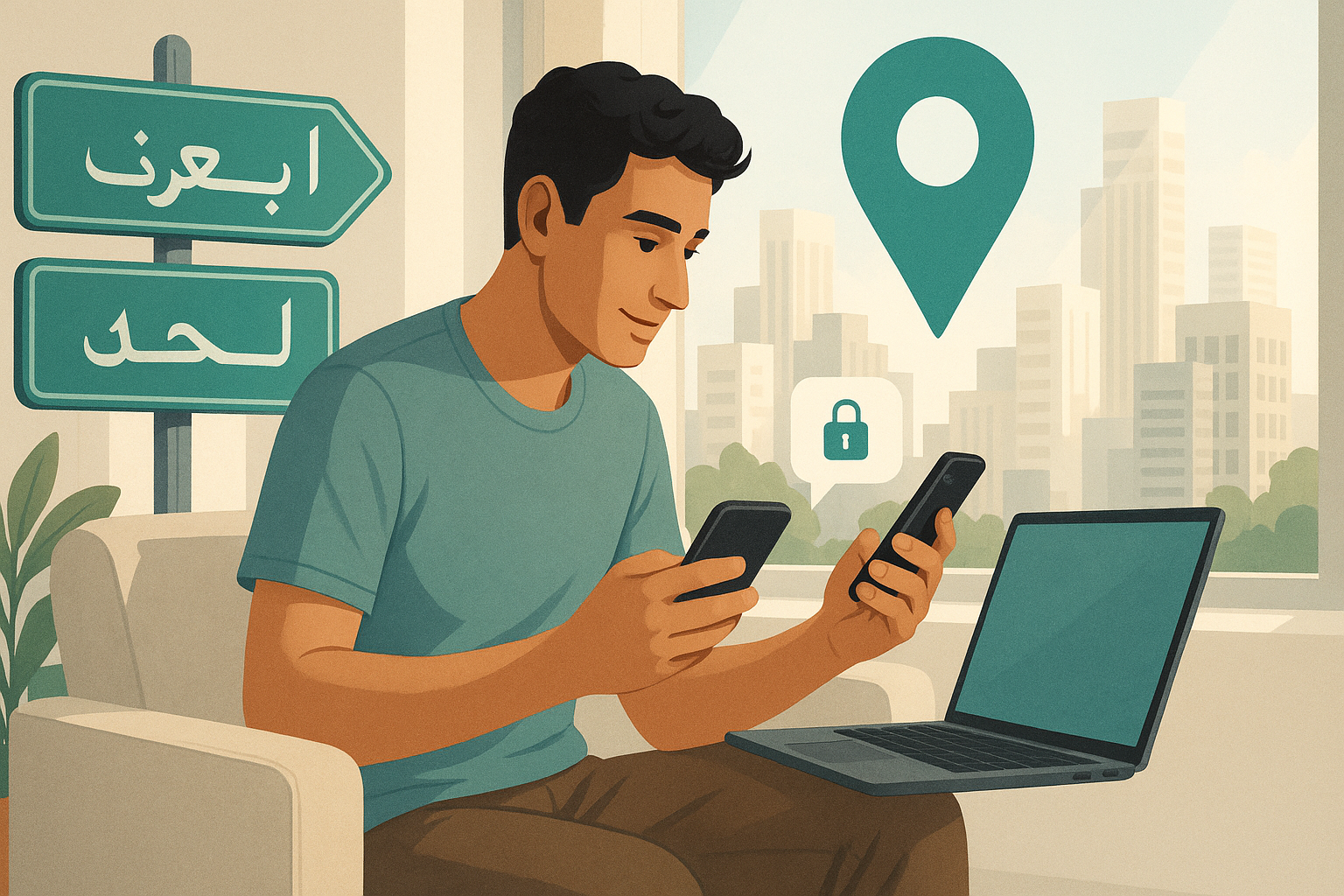
Why people are leaving WhatsApp for private messaging
More people are looking for a WhatsApp alternative because they want better privacy, fewer platform tradeoffs, and easier control over their chats.
For years, WhatsApp has been the default chat app for many people. It is familiar, widely installed, and convenient. But familiarity is not the same as trust, and that distinction is becoming harder to ignore as more people think carefully about online privacy.
The shift towards a private messaging app is not just about features. It is also about control. People want clearer boundaries around their conversations, fewer data-sharing concerns, and more choice over how their messages, contacts, and devices are handled. In other words, the appeal of a WhatsApp alternative is increasingly about the way it treats the user, not only the way it sends a text.
This matters whether you are using messaging for family updates, work coordination, communities, or sensitive conversations. Even if you never switch, it is worth understanding why so many users are re-evaluating what they expect from a messaging platform.
Privacy is no longer a niche concern
Most people do not start by looking for a highly technical product. They start by noticing what feels uncomfortable. That can be a sense that too much personal information is being tied to a single app, or that a service seems to collect more context than is necessary for simple private messaging.
As awareness of online privacy has grown, so has sensitivity to the trade-offs built into mainstream platforms. People are increasingly asking what is stored, what is linked together, and who can infer social patterns from everyday chat. That does not mean every user is reading policy documents, but it does mean many are more cautious than they used to be.
For some, the issue is not one dramatic event. It is the accumulation of small concerns. That is often enough to trigger a search for a better WhatsApp alternative, especially when a service promises a simpler relationship with the data it handles.
Control matters as much as encryption
When people talk about privacy, they often mean more than just secure delivery of messages. They also mean control over identity, contact discovery, backups, devices, and what happens if they change phone number or platform. A messenger can be encrypted and still feel restrictive if it gives users little say over how they use it.
This is where private messaging apps have an advantage in perception, and sometimes in practice. They tend to foreground user choice. That might include optional registration methods, clearer device management, better message controls, or more transparent account handling. None of these features is dramatic on its own, but together they can make a service feel more respectful.
Many people are not looking for perfect anonymity. They are looking for fewer unnecessary dependencies and a stronger sense that their conversations belong to them. That is a powerful reason people move away from the Whats app default and towards something more deliberate.
Convenience is being redefined
WhatsApp is still convenient in the everyday sense, but convenience now means more than being widely used. It also means being comfortable to rely on. If a platform feels intrusive, or if users are uncertain about how it handles information, that convenience starts to erode.
A lot of switching behaviour is driven by this subtle change. People do not necessarily leave because WhatsApp stops working. They leave because they decide they want a better fit for how they communicate now. That could mean fewer notifications, tighter access to contacts, stronger device separation, or simply a product that is built around privacy first.
The best messaging tools increasingly recognise that modern users want both ease and restraint. They want features that help them communicate without feeling constantly tracked, profiled, or nudged into more data sharing than they are comfortable with.
What people look for in a private messaging app
There is no single checklist that works for everyone, but the same themes come up repeatedly when people compare alternatives. If you are choosing a private messaging app, these are the questions worth asking first:
- Does it minimise the personal data needed to create and use an account?
- Can you control how contacts are matched or discovered?
- Are chats, backups, and linked devices easy to understand and manage?
- Does the app avoid unnecessary social features that expose more than you want?
- Can you keep some conversations separate from your main identity?
These are practical questions, not ideological ones. You do not need to be a privacy expert to benefit from them. If an app makes these basics clearer, it usually feels better to use. That is part of why products such as PigeonChat are often considered by people who want a more controlled messaging experience.
It is also worth remembering that trust is built in small ways. Clear settings, sensible defaults, and straightforward account options often matter more than glossy marketing. A service does not need to be mysterious to be private. In fact, the opposite is usually true.
Why the trend is likely to continue
The move away from mainstream messaging apps is part of a broader cultural shift. People are more aware that digital services shape behaviour, collect signals, and influence what users see and share. Messaging is no exception. As that awareness spreads, demand for more private communication tools tends to grow.
This does not mean everyone will abandon WhatsApp. Network effects are still powerful, and most people will keep using the app simply because their friends, family, or colleagues are there. But the centre of gravity is changing. More users now keep one eye on privacy, and that alone changes the market.
In practical terms, this creates space for alternatives that focus on user control rather than sheer size. Whether those alternatives succeed will depend on usability as much as principles. A privacy-first app has to feel dependable in daily life, not just appealing in theory.
How to think about switching without overcomplicating it
If you are considering a move, start with your actual needs. Do you want fewer data dependencies, more control over identity, or a cleaner separation between personal and professional chats? A good decision usually begins with a simple answer to that question.
Then look at what matters most in real use. Think about who you message, what devices you use, and how much friction you can tolerate. A platform can be technically strong but still inconvenient if it makes everyday communication awkward. The right choice is the one you and the people you chat with will actually adopt.
There is no obligation to switch just because the conversation around online privacy is louder. But it is sensible to understand why so many people are evaluating their options. That curiosity is often where better habits begin.
Frequently asked questions
Why are people leaving WhatsApp?
Mostly because they want more privacy, more control, and fewer concerns about how their data and contacts are managed. For many users, the issue is not one single problem but a general feeling that a more private messaging app would fit their needs better.
Is a WhatsApp alternative always more private?
No. “Alternative” does not automatically mean “better”. It is important to check how an app handles account creation, backups, device linking, and contact discovery. The strongest private messaging options are usually the ones that explain these things clearly.
Do I need to stop using WhatsApp completely?
Not necessarily. Many people use more than one app, depending on who they are talking to. If privacy matters to you, you can start by moving sensitive conversations to a more controlled service while keeping WhatsApp for contacts who have not switched yet.
The main point is simple: people are not leaving messaging apps just to chase novelty. They are choosing tools that better match how they want to communicate now. If you care about online privacy and user control, that trend is worth paying attention to, whether you end up using PigeonChat or just becoming more selective about the apps you trust.

Writer & Editor at PigeonChat
Related Articles
Why browsers are becoming the new private chat home

Why a European chat app matters for privacy and compliance

Why UAE users keep searching for a better chat app

Why people still look for a best chat app in the UAE
What a European chat app should offer now