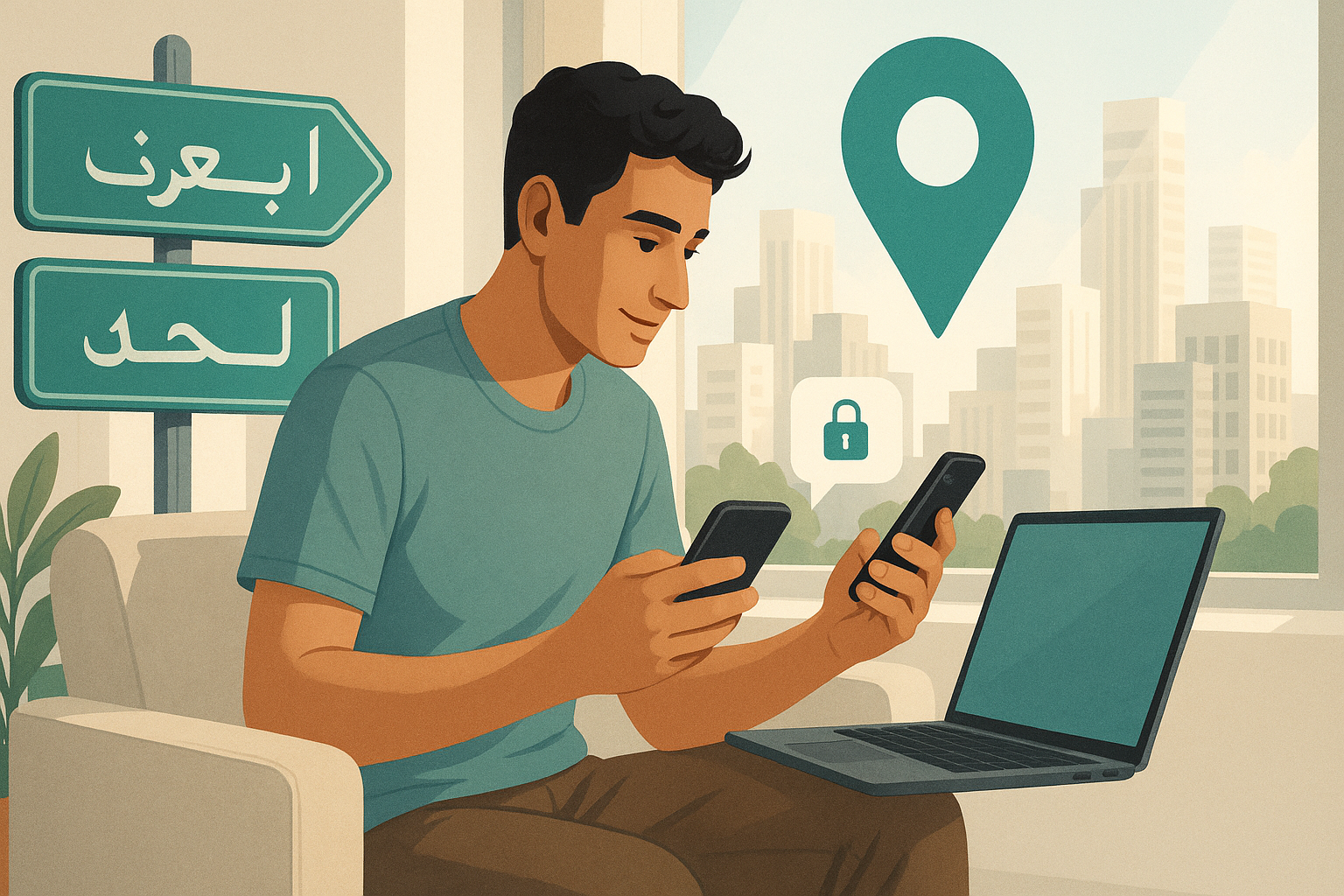
Why people want chat apps without a phone number
People look for messaging apps that skip phone numbers. This article explains the privacy, access, and community reasons behind that search.
For many people, the appeal of chat apps without a phone number is simple: they want to talk without handing over a piece of identity that is widely used, easily reused, and often tied to a real-world SIM card. A phone number can be convenient, but it is also a durable identifier. Once it is linked to a messenger, it can become part of a broader trail that follows you across contacts, devices and services.
That is why number-free signup is not just a gimmick. For some users, it is about privacy. For others, it is about access. If you are using a shared device, a work phone, a second-hand handset, or you simply do not want to connect your personal number to every service you try, a private messenger with alternative signup can be the difference between using the app and leaving it alone.
People often discuss Telegram in this context because it is one of the better-known examples of a messenger that can be used without exposing your number to everyone you chat with. But the wider point is bigger than one app. The demand for chat apps without a phone number reflects a basic expectation: communication tools should not require unnecessary personal data.
Why a phone number feels too revealing
A phone number is more than a login. In many cases, it is a stable identifier that can be matched to a person’s name, address, contacts or other online accounts. Even when an app hides your number from other users, the platform still knows it. For privacy-conscious people, that can feel like giving away more than is necessary for a chat service.
There is also the social side of it. If a messenger uses your phone number as the primary way to find you, people who have your number may be able to discover your account more easily than you intended. That may be useful in some circles, but it is not ideal if you are trying to separate different parts of your life, such as family, work, activism or hobby groups.
For many users, the issue is not paranoia. It is sensible data minimisation. If an app only needs a username, an email address, or a device-based account, then requiring a phone number can look excessive.
When number-free signup improves access
There are plenty of practical reasons someone may not want to, or be able to, use a phone number. Some people live in places where SIM registration is burdensome. Others use tablets, desktop clients, or internet-only devices and do not have a mobile number they want to share. Some people are between numbers, while others rely on work phones, family plans or temporary SIMs that are not suitable for personal accounts.
Number-free signup can also help people who are trying to join a service without making themselves easy to track. That includes journalists, volunteers, community organisers, and anyone who needs a separate channel for sensitive conversations. It is not only about secrecy. Sometimes it is simply about keeping one part of life from bleeding into another.
For users in these situations, the right signup flow removes friction rather than adding it. A chat app becomes more usable when it accepts that not every person has the same relationship with mobile identity.
- No phone number means less personal data handed over at the start
- It can help separate work, personal and public identities
- It is useful on devices without a permanent SIM
- It lowers the barrier for people who do not want contact discovery by number
- It can make a messenger easier to use in temporary or shared setups
The privacy trade-offs are real
It is worth being honest about the limits. A chat app without a phone number is not automatically private in every other respect. The service may still collect metadata, device information, IP addresses or usage patterns. It may still have end-to-end encryption only in some modes, or not by default. A private messenger should be judged on the whole package, not just the signup screen.
This is where expectations can go wrong. Some people see number-free registration and assume they have a fully anonymous system. In reality, anonymity depends on how the platform handles logs, contacts, messages, backups and account recovery. If you care about privacy, read the basics before trusting any service too much.
That said, removing the phone-number requirement is still meaningful. It cuts out one obvious link between your chat account and your offline identity. For many users, that is an important first step, even if it is not the last one.
Why this matters for everyday users, not just specialists
Discussions about privacy often become technical very quickly, but the day-to-day benefits are easy to understand. People want fewer unwanted calls and messages. They want fewer services tied to the same identifier. They want the ability to try an app without committing a personal contact point on day one.
It also helps explain why people compare different messengers so carefully. Some apps are built around the number as the core identity. Others allow usernames, links or invite-based joining. The difference matters because it shapes how easily strangers can find you, how easily you can switch phones, and how much control you have over who sees what.
PigeonChat takes this view seriously: if a chat service can function without demanding a phone number, it should. That does not make the product perfect, but it does make it more respectful of users who prefer to keep their identity boundaries intact.
What to look for in a number-free messenger
If you are comparing chat apps without a phone number, focus on the details that affect real use rather than marketing language. A service may say it is private, but the mechanics matter more than the slogan. Ask how accounts are created, how people are discovered, and whether recovery depends on an identifier you would rather not share.
It is also sensible to think about who you need to talk to. The best messenger for privacy is not always the one your contacts already use. In practice, many people end up balancing ease of adoption against their comfort with the platform’s identity model.
A useful checklist is straightforward:
- Can you sign up with a username, email, invite, or other alternative?
- Can other users find you by phone number if you do not want that?
- Does the app offer controls for privacy, discoverability and backups?
- Is end-to-end encryption available where it matters?
- Can you use the app on desktop or tablet without awkward workarounds?
Frequently asked questions
Are chat apps without a phone number always more private?
No. They are often better on one specific point, which is identity exposure, but privacy depends on many other factors too. You still need to consider metadata, encryption, account recovery and how the service handles contacts or analytics.
Why do some messengers still insist on a number?
Usually because the phone number is an easy way to create a unique account, prevent spam, and help with contact discovery. It simplifies onboarding for the company, even if it is less convenient for users who want more separation.
Can I use a number-free chat app for ordinary conversation, or is it only for special cases?
You can absolutely use it for ordinary conversation. Many people just prefer not to share more personal data than they need to. Number-free signup is useful for everyday chats, especially if you value separation between different parts of your life.
The real reason people want chat apps without a phone number is not fashion or novelty. It is control. They want to decide what identity they reveal, to whom, and on what terms. If a messenger respects that by design, it meets a genuine need rather than chasing a trend. For users who care about privacy and access, that is not a nice extra. It is the point.

Writer & Editor at PigeonChat
Related Articles
What a European chat app should offer now

What an EU chat app needs beyond privacy claims
What a browser-based end to end encryption chat app needs

How PigeonChat.site fits the EU privacy app search
Why browsers are becoming the new private chat home