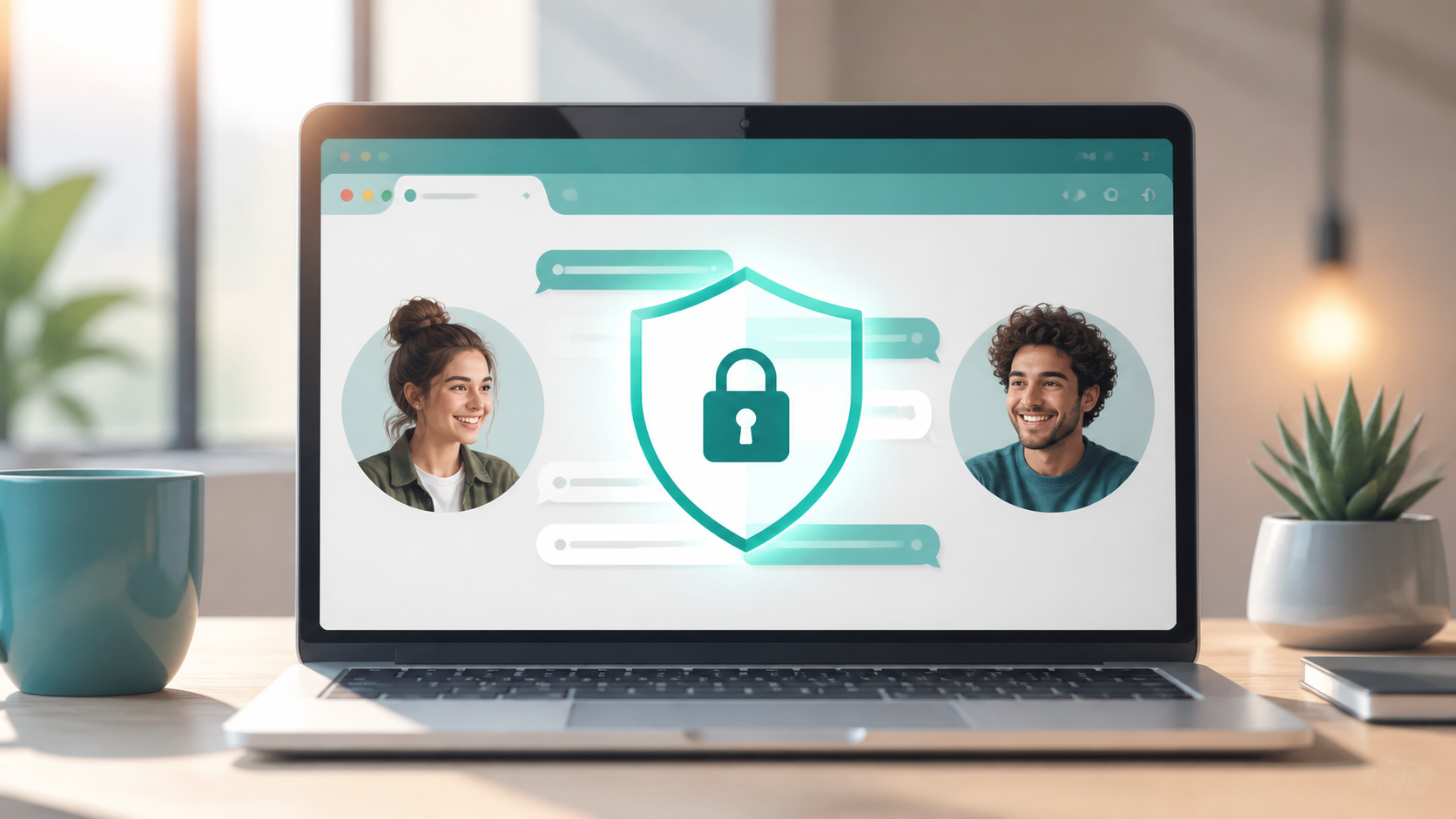
Signal alternative chat app for privacy first users
For people comparing Signal alternatives, the key questions are encryption, account privacy, and whether the app is easier to use in everyday chats.
When people look for a Signal alternative, the first question is usually about encryption. That matters, of course, but it is only the starting point. A privacy first chat app also has to be usable enough that people will actually keep using it, and practical enough that everyday conversations do not become a chore.
That balance is where many apps struggle. Some focus so heavily on security language that the experience feels awkward or incomplete. Others aim for convenience but compromise too much on trust. A good private chat app should make secure messaging feel normal, not demanding.
This article looks at what to expect from a signal alternative chat app, and why end to end encryption, while essential, is only one part of the picture. If you are comparing options, including PigeonChat, it helps to judge products by how they handle the whole experience, not just one technical feature.
What a Signal alternative should actually do well
A serious signal alternative should protect message content by default, but it should also be simple to install, easy to understand, and reliable across common use cases. If people need a manual to send a message, the app will struggle in the real world no matter how strong its cryptography is.
Usability includes things like clear contact discovery, readable notifications, sensible backup behaviour, and stable message delivery. It also means the app should work well for both quick one-to-one chats and longer group conversations. Privacy is not useful if the app gets in the way of communication.
It is also worth remembering that trust is broader than encryption. People care about what data is collected, how metadata is handled, whether the app is open about its design, and how much control they have over their own account and device access.
Why end to end encryption chat is necessary, but not enough
An end to end encryption chat protects message content so that only the sender and recipient can read it. That is the baseline expectation for any private messenger today. Without it, an app is not really competing in the privacy space at all.
But encryption alone does not solve every problem. An app can still expose too much metadata, require unnecessary permissions, or make conversations hard to organise. It can also be technically secure while still feeling clumsy for everyday use. That is why the best privacy first chat app choices need both strong technical design and a decent product experience.
When comparing options, pay attention to practical questions such as how new contacts are added, whether the app handles multiple devices sensibly, and whether messages arrive consistently. Those details often matter more to real users than marketing claims about security.
What makes a private chat app practical
A private chat app should reduce friction wherever possible. People want to start a conversation quickly, know when something has been delivered, and avoid confusing settings buried in menus. Good privacy should feel like part of the default experience, not an expert mode hidden behind configuration screens.
There are a few qualities that usually separate a good product from a merely secure one:
- Clear onboarding that explains privacy without overwhelming the user
- Stable message delivery and sensible sync across devices
- Readable interfaces that work well for day-to-day communication
- Transparent privacy controls that are easy to review
- Group chat features that remain simple rather than bloated
Those points may sound obvious, but they are often what makes people stay with one app over another. PigeonChat, for example, is more interesting as a comparison point when you look at how an e2e chat app pigeonchat.site might balance simplicity and privacy, rather than treating encryption as the only selling point.
How to compare a signal alternative chat app fairly
When you compare a signal alternative chat app, start with the basics: what is protected, what is stored, and what the company or project can see. Then move on to the everyday experience. Does it feel dependable? Is it easy to set up? Can you explain it to a less technical friend without sounding like you are giving a security lecture?
It can help to compare apps in terms of trade-offs rather than winners and losers. A messenger may have excellent privacy features but weaker usability. Another may be more polished but less private by design. The right choice depends on your needs, but it should always be a conscious choice rather than a guess.
If you are evaluating several services, ask yourself whether the app respects your attention as well as your data. A good private messenger should not demand extra effort just to achieve the level of protection you expected in the first place.
Signals, trade-offs, and what privacy first users often miss
Privacy first users sometimes focus on one visible promise and overlook the wider picture. For example, an app may advertise strong encryption, but if it is difficult to use, people may end up falling back to less secure tools for convenience. In practice, that weakens privacy more than a well-designed product would.
The same is true of feature bloat. More features are not automatically better if they complicate the interface or create new privacy questions. A cleaner app can often be the more trustworthy choice, especially if it keeps the core chat experience clear and consistent.
In a healthy comparison, the question is not simply “Is it encrypted?” It is “Can I trust it, can I use it easily, and will it still fit into daily life six months from now?”
Frequently asked questions
Is Signal still the best choice for privacy?
Signal remains a strong option for people who want a well-known privacy focused messenger. But “best” depends on what you value most. Some users prioritise familiarity and maturity, while others want a different balance of interface, workflow, or feature set. The most important thing is to choose an app whose privacy model you understand.
What should I look for in a privacy first chat app?
Look for end to end encryption, clear privacy policies, sensible metadata handling, and an interface you will actually enjoy using. If the app is too awkward, people often abandon it or route messages through less secure tools. A good private chat app should protect you without making normal communication harder.
Does a simpler app mean weaker security?
Not necessarily. Simplicity can improve security if it reduces confusion and limits unnecessary features. The important part is whether the app is designed carefully. A simple interface and a strong security model can work well together if the product is built with restraint and clarity.
In the end, the best signal alternative is not the one that talks most loudly about encryption. It is the one that combines strong protection with dependable, humane design. If you keep that standard in mind, it becomes much easier to separate a genuinely useful private chat app from one that only sounds secure.
Ready to try PigeonChat?

Writer & Editor at PigeonChat
Related Articles

How PigeonChat.site fits the Messenger and Telegram search
How PigeonChat.site differs from WhatsApp and Telegram
How PigeonChat.site compares with WhatsApp and Signal
When Signal is not enough: comparing private chat apps

Why PigeonChat.site asks you to invite your partner first