
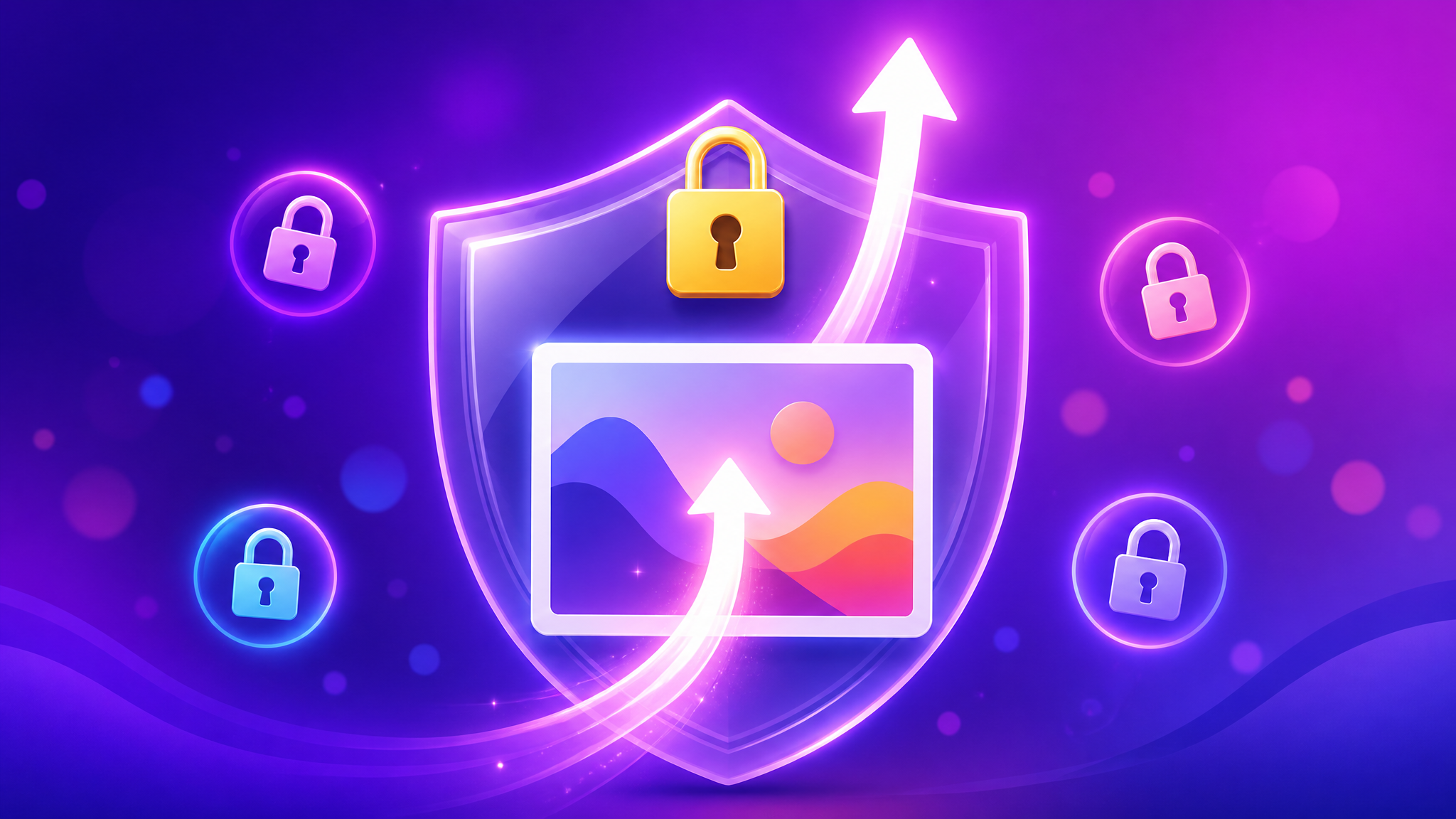
How to Send Photos Privately in 2026: A Guide to Encrypted Photo Sharing
Photos reveal more than you think — from location data to faces. Here's how to share images privately in 2026 using encrypted photo sharing and smart habits.
We share photos constantly — family moments, documents, screenshots, ID cards, and everything in between. But a photo can reveal far more than what is in the frame. Hidden location data, timestamps, and the platform you send it through can all expose information you never intended to share.
This guide explains how to send photos privately in 2026, what makes photo sharing risky, and how encrypted photo sharing keeps your images between you and the person you trust.
Why Sending Photos Can Be Risky
A photo is not just an image. It often carries invisible extras:
- EXIF metadata: the exact GPS coordinates, date, time, and device that took the photo.
- Cloud copies: many apps auto-upload images to servers where they may be scanned or stored indefinitely.
- Forwarding risk: once a photo leaves your device unencrypted, you lose control of where it goes.
- Facial and content recognition: some platforms analyse image content for advertising or moderation.
For sensitive images — documents, medical photos, anything personal — these risks are exactly why encrypted sharing matters. It is the visual equivalent of secure file sharing with end-to-end encryption.
What Is Encrypted Photo Sharing?
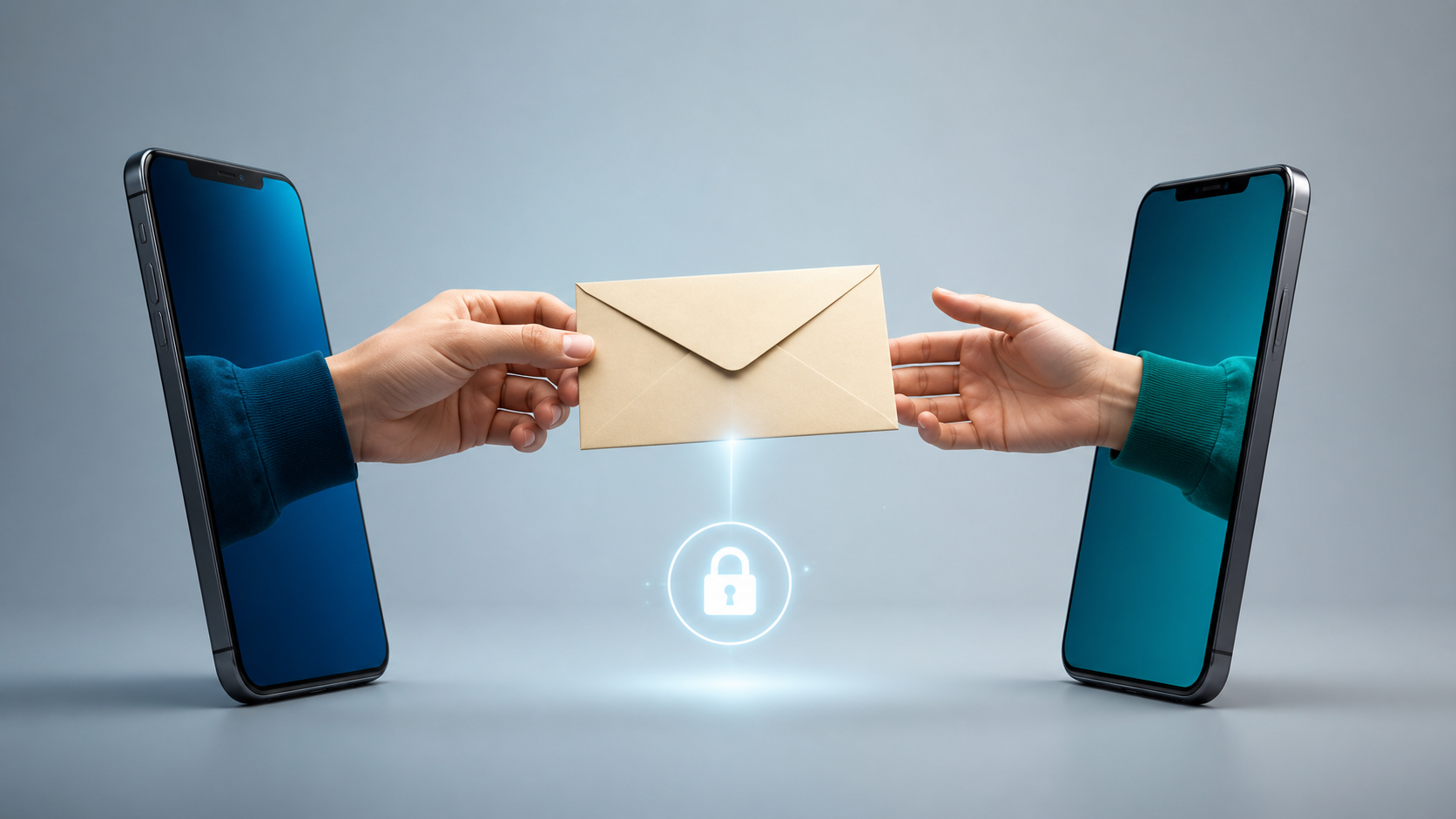
Encrypted photo sharing means the image is locked on your device before it is sent and can only be unlocked by the recipient. On the way — and on any server it passes through — it is unreadable. Even the app provider cannot open it. This is the same end-to-end encryption that protects private text messages, applied to media.
How to Send Photos Privately: Step by Step
- Use an end-to-end encrypted messenger. Send images through an app that encrypts media by default rather than by email or unencrypted SMS.
- Strip metadata first. Remove EXIF/location data — many privacy apps do this automatically, or you can use your phone's built-in "remove location" option when sharing.
- Turn on disappearing media. Set photos to auto-delete after they are viewed or after a set time so they do not linger.
- Avoid public cloud links. A shareable link can be forwarded or guessed; a direct encrypted send cannot.
- Verify the recipient. Double-check you are sending to the right person and, ideally, verify their security code.
- Think before you screenshot. Remind recipients that trust matters — encryption protects transit, not a determined screenshot.
Encrypted vs Regular Photo Sharing
| Method | Protected in transit | Server can view | Metadata stripped |
|---|---|---|---|
| Unencrypted email / SMS | Partially | Yes | No |
| Standard social apps | Yes | Often yes | Sometimes |
| Public cloud link | Yes | Yes | No |
| End-to-end encrypted messenger | Yes | No | Often automatic |
Extra Habits for Truly Private Photos
- Blur sensitive details like addresses, faces or account numbers before sending.
- Use a passphrase-protected album for the images you keep on your own device.
- Review app permissions so only trusted apps can access your camera roll.
- Delete after sending when a photo no longer needs to exist in the chat.
How PigeonChat Keeps Your Photos Private
PigeonChat sends images through end-to-end encrypted chats, supports disappearing media so photos do not stick around forever, and is built to minimise the data trail your sharing leaves behind. Whether you are sending a quick selfie or a sensitive document, it stays between you and your recipient. See how it works on the features page or download PigeonChat.
Frequently Asked Questions
Do photos really contain my location?
Often, yes. Photos taken on a phone can store EXIF metadata including precise GPS coordinates, the date and time, and the device used. Stripping this data before sharing prevents you from accidentally revealing where a photo was taken.
Is sending a photo over standard messaging apps safe?
It depends on the app. Some encrypt media end to end; others store images on servers where they may be scanned or retained. For anything sensitive, use an app that encrypts media by default and offers disappearing media.
What is the safest way to send a private photo?
Use an end-to-end encrypted messenger, strip location metadata, enable disappearing media, and verify you are sending to the correct person. Avoid public cloud links that can be forwarded or guessed.
Can encryption stop someone from screenshotting my photo?
No. Encryption protects a photo in transit and on servers, but it cannot stop a recipient from taking a screenshot or photographing their screen. Only share sensitive images with people you trust.
Should I delete photos after sending them?
For sensitive images, yes. Using disappearing media or deleting the photo from the chat once it is no longer needed reduces the chance of it being exposed later if a device is lost or compromised.
Sharing files too? Read our guide to secure file sharing in 2026 for the full picture.

Writer & Editor at PigeonChat
Related Articles
What makes an end to end encryption chat app secure
What a fully compliant EU chat app should include
Why people search for a WhatsApp alternative without a number
What end to end encryption chat really protects
Why chat folders matter for busy group conversations