
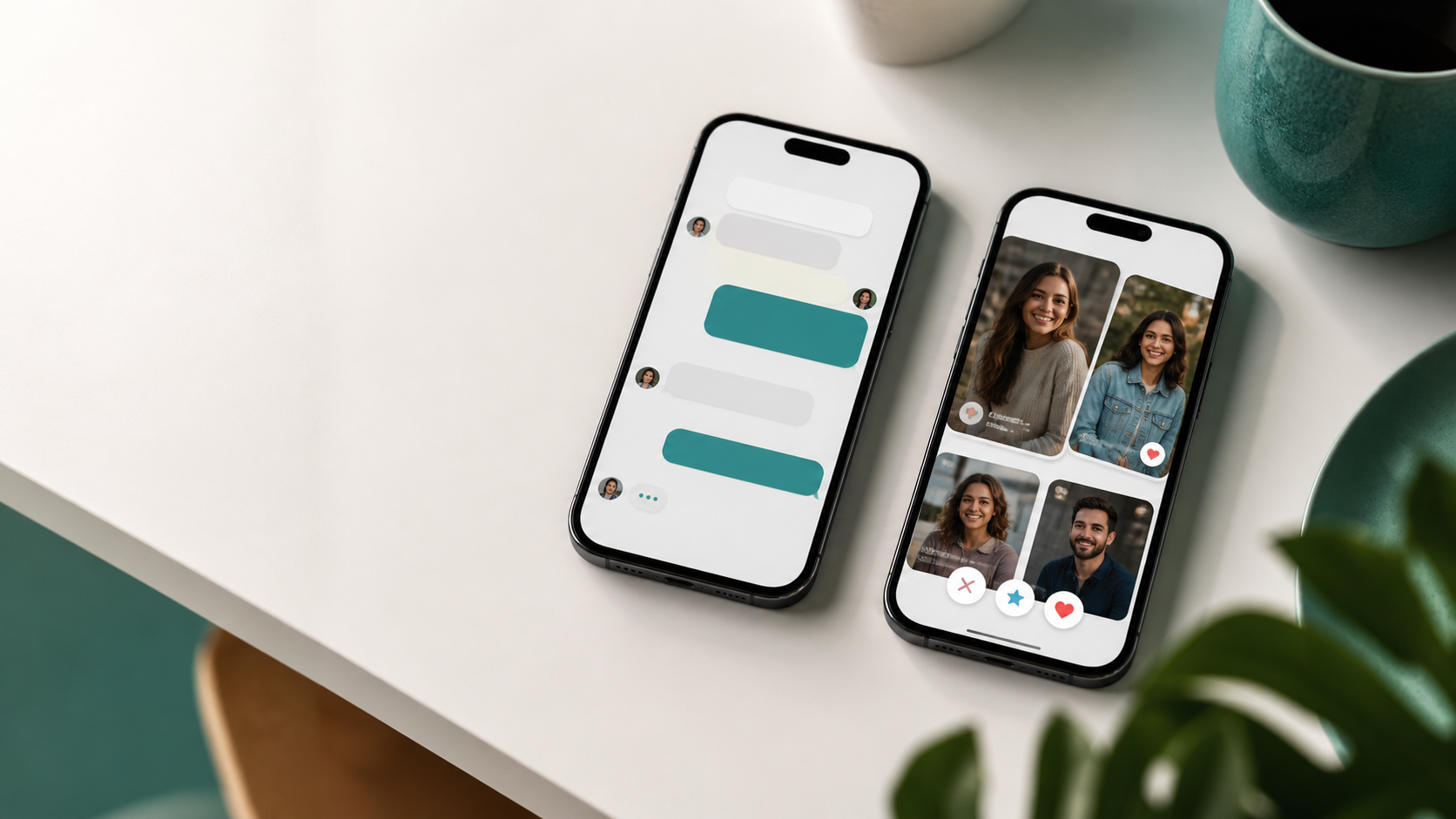
Why people search love on PigeonChat.site instead of Tinder
Searches for “love on PigeonChat.site” show people comparing it to mainstream dating apps. This article explains the trust gap and the appeal of privacy.
When people search for love on PigeonChat.site instead of opening Tinder, they are usually not rejecting dating itself. They are rejecting the feeling that modern dating has become a performance. On a typical dating app, every profile can feel like a tiny brand page, with polished photos, clever lines, and an audience waiting to judge the result.
That is where the appeal of a quieter, more private experience begins. For many people, the goal is not to be seen by everyone. It is to have a conversation that feels less exposed, less curated, and less tied to public profiling. That is why the search for love on pigeonchat.site says as much about dating culture as it does about one platform.
This is not really about one app being universally better than another. It is about what people want from a dating app now. Some still prefer the fast pace and large audience of Tinder or Bumble. Others want private dating that leaves more room for honesty, slower discovery, and a bit less social theatre.
Why public-profile dating feels tiring
Traditional swipe-based dating often asks people to present themselves in a compressed and highly editable way. That can be useful, but it can also feel unnatural. A handful of photos and a short bio rarely capture the kind of person someone is once the conversation gets going.
For many users, the problem is not the idea of choice. It is the pressure that comes with being continually evaluated. When every interaction begins with a profile card, dating can start to resemble a marketplace rather than a human exchange.
That is one reason people are drawn to spaces that feel less performative. A smaller or more private environment can lower the sense that you are auditioning for attention. It can make room for curiosity, awkwardness, and ordinary conversation, which are often where real connection starts.
What people mean by private dating
Private dating does not have a single definition. For some, it means fewer public signals and less social broadcasting. For others, it means not being pushed into a highly visible feed of matches, likes, and status indicators. In practice, it is often about reducing the feeling of being on display.
That matters because romance is personal. People often want a space where they can reveal things gradually, rather than front-loading everything into a profile. A more private setting can make it easier to be candid about what you want, what you do not want, and how you actually communicate.
There is also a practical side. Less emphasis on public self-promotion can make dating feel less exhausting. Instead of constantly optimising for attention, users can focus on whether a conversation feels easy, respectful, and worth continuing.
Why PigeonChat fits that mood
People looking for pigeonchat.site often seem to be looking for a different atmosphere, not just a different interface. The attraction is not necessarily novelty for its own sake. It is the promise of something more human and less performative.
That is part of why PigeonChat is relevant in this comparison. It sits in the wider conversation about dating tools that do not revolve around public profiling. For someone worn down by endless swiping, the idea of a quieter space can feel refreshing, even if they are only exploring the concept and not committing to a platform.
The broader lesson here is simple: people do not just want more matches. They want a better context for meeting someone. If a platform feels more private, more direct, and less like a stage, it can meet a need that mainstream apps sometimes miss.
Tinder, Bumble and the psychology of the swipe
Tinder and Bumble are successful because they make dating straightforward in some ways. You can move quickly, make decisions fast, and see many options at once. For some users, that is exactly what they want.
But speed has a cost. Swiping can encourage snap judgements and can make people feel interchangeable. If you are already tired of dating, that format can amplify the sense that you are part of a catalogue. Even when it works, it can leave little room for a softer, more private connection.
This is why some people start searching for alternatives. They are not necessarily dissatisfied with all dating apps. They are dissatisfied with the emotional texture of the experience. They want something that feels more like a conversation and less like a screening process.
The appeal of less performative interaction
When dating is less performative, people often act differently. They may write more honestly, ask better questions, and avoid overthinking every detail of how they appear. That can create a more relaxed tone from the start.
This kind of environment can also support people who do not enjoy social media style self-marketing. Not everyone wants to turn dating into branding. Some just want to meet someone without having to package themselves as a product.
- Less pressure to appear perfect
- More room for natural conversation
- Fewer incentives to chase validation
- Better fit for people who value discretion
- More focus on compatibility than presentation
None of this makes one approach right and the other wrong. It simply explains why search behaviour shifts. When people want a calmer experience, they look for tools that promise that tone.
What this says about modern dating habits
The rise of interest in private dating suggests that many users are reconsidering what they want dating technology to do. For years, the emphasis has been on scale, speed, and visibility. Now, more people seem interested in restraint, comfort, and trust.
That shift makes sense. Dating is already emotionally demanding. If the platform adds too much pressure, too much public comparison, or too much noise, people eventually look elsewhere. They may not be looking for a radically new idea. They may simply be looking for a quieter version of the same basic human need.
In that sense, the search for love on PigeonChat.site is not surprising at all. It reflects a wider desire for dating spaces that feel less exposed and more genuinely personal.
Frequently asked questions
Why would someone choose PigeonChat over Tinder?
Usually because they want a less public, less performative experience. Tinder is built around quick swiping and broad visibility, while someone exploring PigeonChat may be looking for a calmer atmosphere and more private dating.
Is private dating better for serious relationships?
It can be, depending on what a person needs. Private dating is not automatically better, but it can support more thoughtful conversation and reduce the pressure to impress a large audience. That often helps people focus on compatibility rather than presentation.
Do Bumble and Tinder always feel too public?
Not for everyone. Some people enjoy the openness and speed. Others find that the public profile style creates too much pressure. The difference is mostly about personal preference and how much visibility someone wants while dating online.
In the end, the search for a more private dating experience says something important about what people value now. They are not just looking for matches. They are looking for a setting where they can be themselves without feeling constantly judged. That is the real reason platforms like PigeonChat get attention, even from people who may still use Tinder or Bumble elsewhere.
Ready to try PigeonChat?

Writer & Editor at PigeonChat
Related Articles

How PigeonChat.site compares with Tinder and Bumble

Can PigeonChat.site work as a couple space and a dating app?

How PigeonChat.site positions itself against Tinder and Bumble
PigeonChat.site vs WhatsApp for private dating chats
What users really want from dating with PigeonChat.site