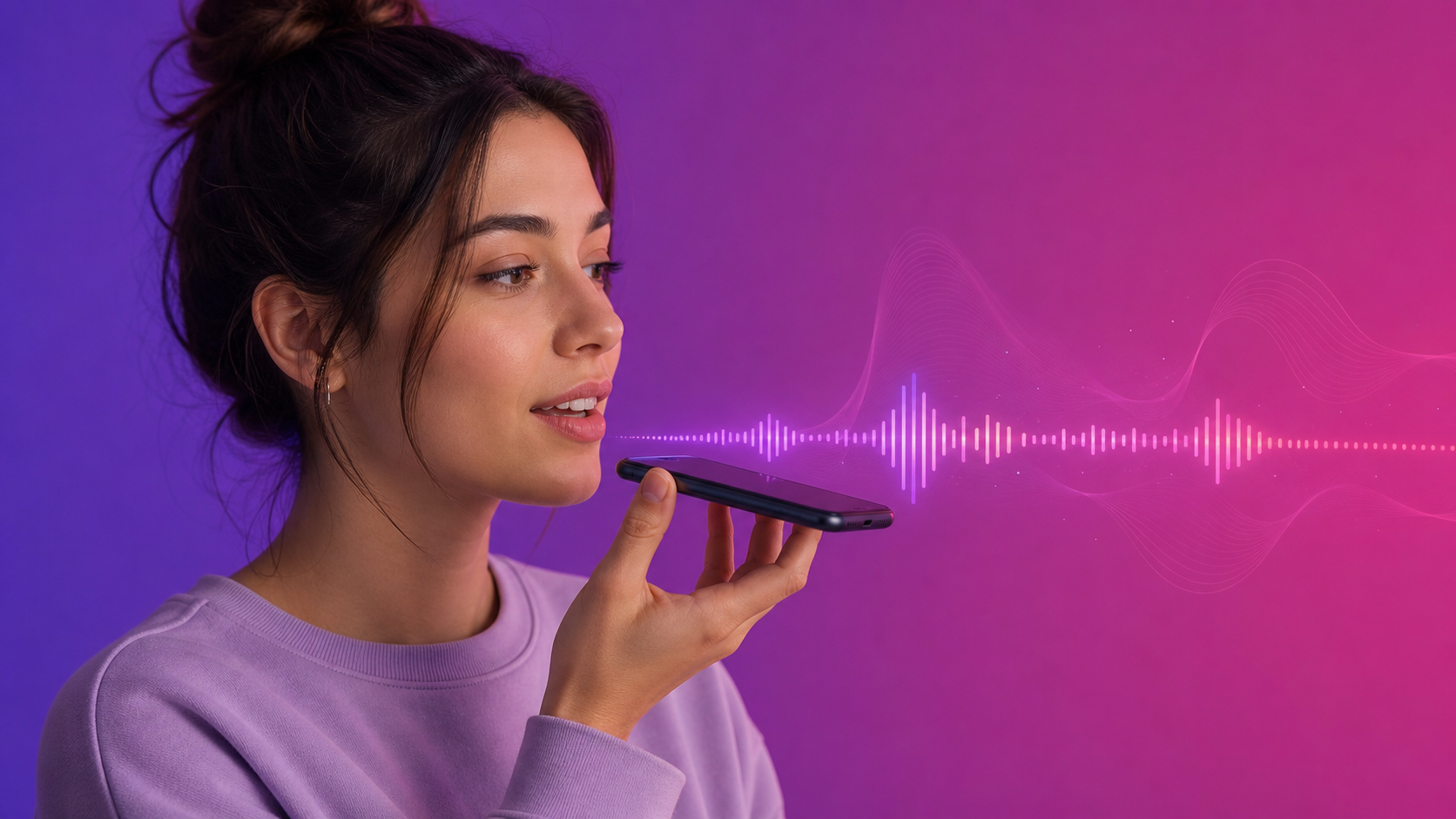
Voice Message Etiquette in 2026: When to Send a Voice Note (and When Not To)
Voice notes are loved and loathed in equal measure. Here's the etiquette for 2026: when a voice message is perfect, when to text instead, and how to send better ones.
Few features divide people like the voice note. Some find them warm, efficient and personal; others dread a two-minute ramble they cannot skim. In 2026, voice messages are everywhere — so knowing the etiquette is the difference between being a delight to chat with and being that friend.
This guide covers when a voice note is the right call, when you should just text, and how to record ones people actually enjoy receiving. For the mechanics of how they work, see our guide on how voice notes work.
Why Voice Notes Took Over
Voice messages are fast to create, carry tone and emotion that text cannot, and are perfect when your hands are busy. They feel personal — a laugh or a sigh says more than any emoji. But those same strengths become weaknesses when a voice note is long, rambling, or sent at the wrong moment.
When to Send a Voice Note
- When emotion matters: comfort, excitement or an apology land better in your actual voice.
- When it is complicated: explaining something nuanced is faster spoken than typed.
- When you are hands-free: walking, cooking or driving safely hands-free.
- For a personal touch: a quick "thinking of you" note feels warmer aloud.
When to Text Instead
- For facts and details: addresses, times, links and numbers are easier to read than to replay.
- When the recipient is busy: in a meeting or a loud place, they cannot listen.
- For anything they'll need later: text is searchable; a voice note is not.
- When it can be said in a sentence: do not send 45 seconds of audio for "on my way".
The Golden Rules of Voice Note Etiquette
- Keep it short. Aim for under a minute; break longer thoughts into focused notes.
- Lead with the point. Say why you are sending it in the first few seconds.
- Read the relationship. Close friends may love long notes; a new contact may not.
- Ask before flooding. A quick "can I send a voice note?" respects the other person's time.
- Mind your surroundings. Background noise makes notes hard to hear.
- Do not use them to avoid a real conversation. Some topics deserve a call.
Voice Note or Text? Quick Guide
| Situation | Best choice |
|---|---|
| Sharing an address or link | Text |
| Comforting a friend | Voice note |
| Explaining something complex | Voice note |
| Recipient is in a meeting | Text |
| Quick "running late" | Text |
| Heartfelt thanks | Voice note |
Features That Make Voice Notes Better
Modern apps ease the friction on both sides: playback speed for busy listeners, waveform previews, the ability to pause and resume recording, and transcription for when audio is not convenient. When these are paired with encryption, your voice stays private too.
Voice Messaging in PigeonChat
PigeonChat supports end-to-end encrypted voice messages with a clean recording experience, so you can share tone and personality without sacrificing privacy. Combined with reactions and disappearing messages, it keeps voice chat both expressive and secure. Explore it on the features page or get PigeonChat.
Frequently Asked Questions
Are voice messages rude?
Not inherently. Voice notes are rude only when they ignore the recipient's context — for example, sending a long ramble to someone who is busy, or using audio for details that are easier to read. Keep them short and well-timed and they are a warm, personal touch.
How long should a voice note be?
As a rule of thumb, keep voice notes under a minute. If you have more to say, break it into focused notes or lead with the main point so the listener knows what to expect.
When should I text instead of sending a voice note?
Text is better for facts, links, addresses and anything the recipient will need to reference later, as well as when they are somewhere they cannot listen. Save voice notes for emotion, nuance and hands-free moments.
Is it okay to send a voice note to someone I don't know well?
Read the relationship first. With new contacts or professional chats, a short message asking if a voice note is okay shows respect for their time. Close friends are usually more receptive to longer notes.
Are voice messages private?
They can be. In an end-to-end encrypted app, voice notes are protected just like text — only you and the recipient can hear them. In apps without end-to-end encryption, audio may be stored on servers.
New to voice messaging? Start with our explainer on how voice notes work vs text.

Writer & Editor at PigeonChat
Related Articles
Why chat folders matter for busy group conversations
How image sharing works in private chat apps

What chat features users expect in modern private apps
Why chat folders help busy groups stay organized

How chat groups help schools and universities stay organized